
Morning Brief — September 16, 2026
Apple Reference Image • Pentagon Report on Iran War Damage • Police Misuse of Flock Surveillance Network • U.S. Confirmation of Space Weapons • UK State Pension Affordability.

Apple Reference Image • Pentagon Report on Iran War Damage • Police Misuse of Flock Surveillance Network • U.S. Confirmation of Space Weapons • UK State Pension Affordability.

Autonomous agents are expanding in finance and software development while accountability frameworks lag. Open-source tooling is improving access and efficiency, accelerating adoption. The practical challenge is matching deployment with reliable data, clear liability and operational oversight. Geopol

Kinetic Escalation in the Strait of Hormuz • Autonomous AI Financial Actors • Legal Intervention in US Electoral Processes • Saudi Geopolitical Posture • Digital ID Implementation in UK Licensed Premises.

Autonomous AI Financial Actors • Open Source Code Review Dominance • Saudi Geopolitical Posture • Gemini 3.8 Live Audio Interface • Housing Market and Construction Economics.
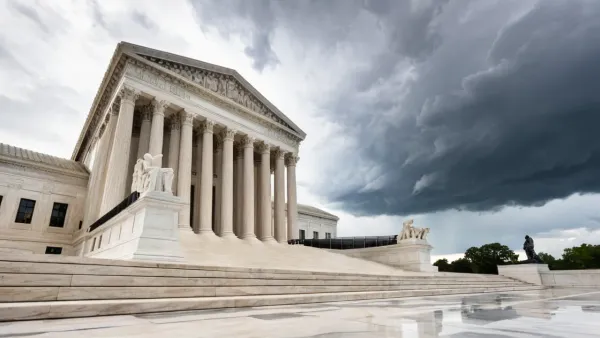
The ink on the final ballot was already dry in the sorting facilities across the country. Millions of paper envelopes, stamped with postmarks and sealed by voters who had trusted the system, sat in the chutes of the United States Postal Service. Then came the order: stop.

A smart contract’s silence is not emptiness. It is a vacuum. When a decentralized application triggers a liquidation or rebalances a portfolio, it does so in absolute isolation. The system is blind to the world outside its ledger. This isolation defines blockchain security.

The fire still clung to the hull of the Iranian commercial vessel when the first rescue boats cut through the smoke-choked air near Hengam Island. The strike had come without warning, a sudden violence that shattered the fragile calm of the strait.

Legal Intervention in US Electoral Processes • Kinetic Escalation in the Strait of Hormuz • Evolution of Open-Source AI Coding Agents • Autonomous Finance and Data Integrity • Digital ID Implementation in UK Licensed Premises.

The most consequential promise in AI is that a better system will help build the system that succeeds it.

A missile-production agreement commits money that will be spent over several years.

An interceptor leaves its launcher in seconds.

Cheaper AI changes which workloads are possible. It does not remove the costs of reliable execution, financing or physical trade. This Weekly Nexus traces the evidence, competing outcomes and decision windows across five days of Compass coverage.
Agent deployment is expanding while misuse reports sharpen the case for verification. Hardware investment, market caution and Middle East risks add distinct pressures. The shared question is whether institutions can demonstrate control and respond credibly; the evidence does not establish one cause