
Listen to this article
Narrated by Charlotte · The Noble House

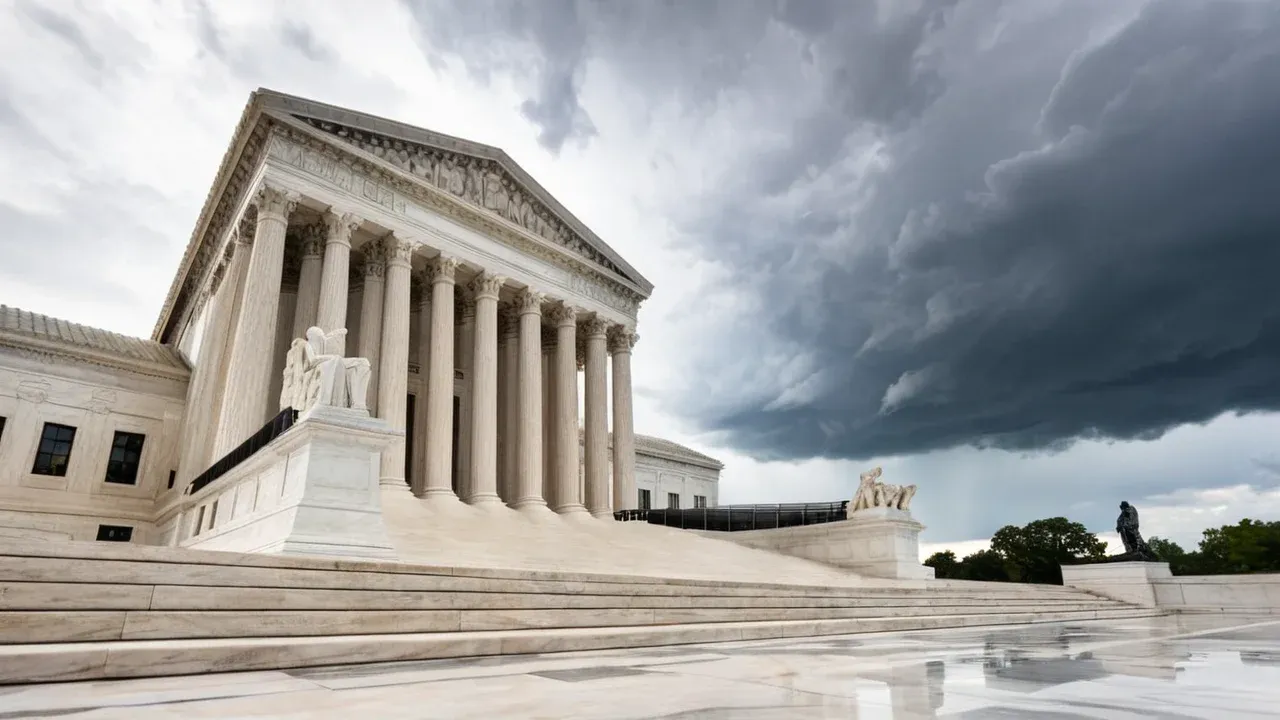
The ink on the final ballot was already dry in the sorting facilities across the country. Millions of paper envelopes, stamped with postmarks and sealed by voters who had trusted the system, sat in the chutes of the United States Postal Service. Then came the order: stop. The Trump administration had issued directives to withhold these ballots, citing new, restrictive requirements for mail-in voting. The logistics of halting a national delivery system in the final days of an election cycle carry significant weight. To stop the mail is to silence a segment of the electorate. But before those ballots could be grounded, the United States Supreme Court intervened. In a decisive ruling, the Court rejected the administration’s plan to alter mail ballot distribution, maintaining a lower-court injunction that keeps the postal pipeline open [1]youtube.comThe US Supreme Court rejected President Donald Trump's plan to alter mail ballot distributionThe US Supreme Court rejected President Donald Trump's plan to alter mail ballot distribution, blocking a procedure that would have allowed the US Postal Service to withhold potentially millions of ballots.Open source ↗[2]aljazeera.comUS Supreme Court rejects Trump mail ballot restrictions ahead of midtermsUS Supreme Court rejects Trump mail ballot restrictions ahead of midterms.Open source ↗. This decision marks a boundary line drawn in the sand, signaling the limit of executive power when it collides with the mechanics of democracy.
The Legal Framework and Judicial Rejection
The Supreme Court’s rejection of the administration’s bid to lift the block on mail-in ballot rules was grounded in a rigid adherence to statutory authority. The core of the administration’s argument rested on the idea that the executive branch possessed the inherent power to manage the Postal Service in ways that could tighten the window for ballot delivery and impose stricter standards on validity. However, the Court found that these proposed changes lacked any legal foundation. Justice Brett Kavanaugh, writing for the majority, emphasized that applying the US Postal Service rule in the 2026 midterm elections would be arbitrary and capricious [3]mediaite.comElie Honig: SCOTUS Mail-In Vote Ruling 'Bad' for TrumpThe Supreme Court on Monday rejected the administration’s attempt to allow the Postal Service to enforce new mail-in ballot requirements ahead of the 2026 elections, leaving a lower-court injunction in place.Open source ↗. This legal reasoning is significant for its immediate effect and its implication regarding the nature of executive power. The Court’s decision affirms that executive orders cannot unilaterally override established election laws or create new procedural hurdles that lack congressional approval [4]votebeat.orgSupreme Court blocks Trump's proposed mail ballot restrictions for 2026 electionThe Supreme Court decision blocks the U.S. Postal Service from blocking delivery of mail ballots in the 2026 midterm elections per Donald Trump’s executive order.Open source ↗.
The timing of this intervention was critical. The ruling came just days before the 2026 midterm elections, a period when administrative changes can have profound, irreversible impacts on voter access. The Supreme Court’s swift rejection of the administration’s plan demonstrates its recognition of the urgency and importance of maintaining stability in the electoral system. By maintaining the injunction, the Court has ensured that the existing rules, which have been followed for years, will govern the distribution of mail-in ballots. This decision prevents the USPS from blocking the delivery of mail-in ballots for the 2026 midterms, thereby preserving the status quo of the electoral process [5]politico.comSupreme Court blocks Trump mail-in ballot planThe Supreme Court has rejected the Trump administration’s attempt to enforce new mail-in ballot delivery rules that threatened to severely disrupt the looming midterm elections.Open source ↗. The Court’s action suggests wariness of executive overreach in voting rights, indicating that the judiciary is unwilling to allow the executive branch to use its power to manipulate the electoral landscape. This wariness is rooted in the Court’s duty to protect the integrity of the democratic process and ensure that elections are conducted fairly and according to law [6]cnbc.comSupreme Court rejects Trump bid to lift block on mail-in ballots ruleJustice Brett Kavanaugh said that applying the U.S. Postal Service rule in the 2026 midterm elections 'would be arbitrary and capricious.'Open source ↗.
Compass Predictive Analytics
Compass Predictive Analytics

Dissenting Opinions and Judicial Ideology
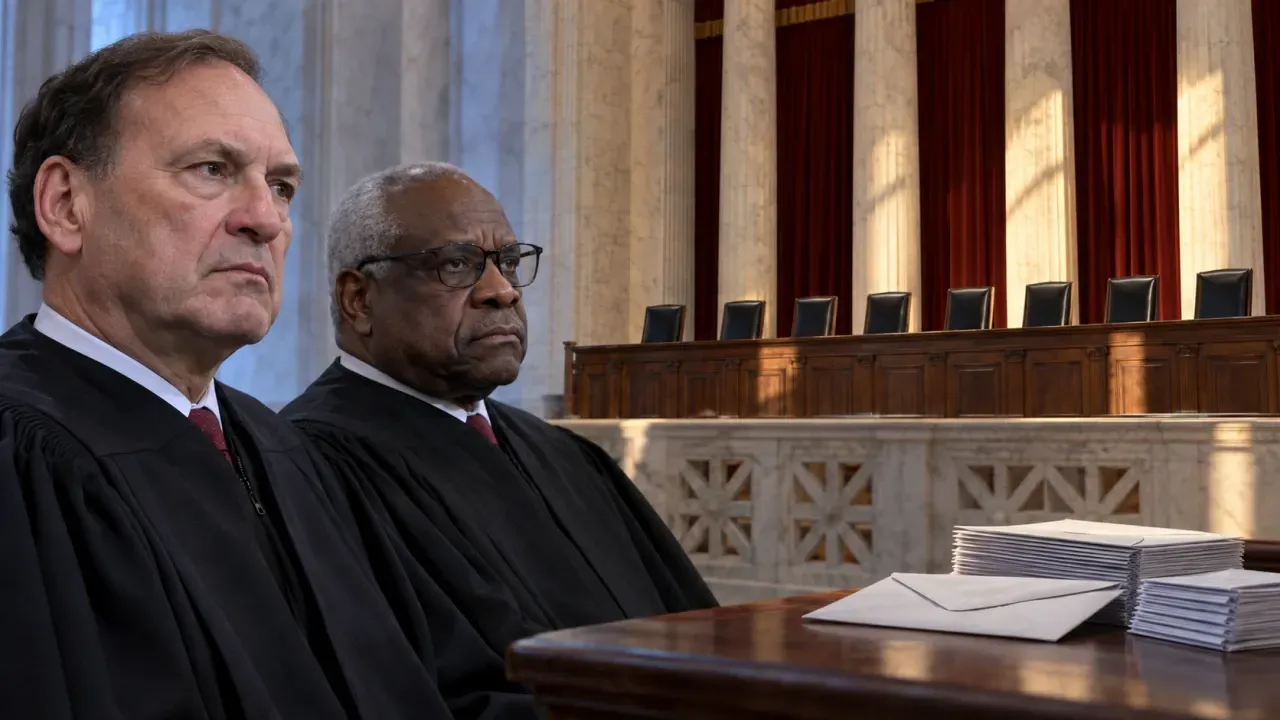
While the majority upheld the lower-court injunction, the decision was not unanimous. Justices Alito and Thomas publicly dissented, arguing that the administration had the authority to implement the new mail-in ballot requirements. Their dissent highlights the ideological divide within the Court regarding the scope of executive power and the role of the judiciary in election-related disputes. The dissenting justices contended that the Trump administration’s plan was a legitimate exercise of executive authority to ensure the integrity of the postal system and the electoral process. They argued that the lower court’s injunction was an overreach of judicial power that interfered with the executive branch’s ability to manage federal agencies.
The public dissent of Justices Alito and Thomas serves as a signal that the legal battle over mail-in voting is far from over. Their opposition to the majority opinion suggests that they believe the administration’s actions were within its legal rights and that the Court should have allowed the new rules to take effect. This dissent underscores the political nature of election-related jurisprudence and the varying interpretations of executive authority among the justices. The presence of a public dissent also indicates that the issue of mail-in voting will likely remain a contentious topic in future legal challenges. The dissenting justices’ arguments reflect a broader conservative legal philosophy that favors expansive executive power and skepticism of judicial intervention in administrative matters [7]theguardian.comSupreme court rejects Trump's mail ballot restrictions for midterm electionsDecision allows states to send ballots under process followed for years even as president tried to limit system.Open source ↗.
However, the majority opinion’s emphasis on statutory compliance and the arbitrary nature of the administration’s actions suggests that the Court is willing to check executive power when it threatens to disrupt the electoral process. The majority’s rejection of the administration’s plan is a clear statement that executive orders cannot be used to circumvent established election laws or create new procedural hurdles without congressional approval. This stance reinforces the idea that the judiciary plays a crucial role in maintaining the balance of power among the branches of government and protecting the integrity of the democratic process. The dissenting opinions, while significant, do not alter the immediate legal reality that the lower-court injunction remains in place and the USPS is blocked from enforcing the new mail-in ballot requirements [8]msn.comUS Supreme Court rejects Trump’s plans on postal ballots: Why it mattersTrump has repeatedly criticised mail-in votes and has attempted to restrict them ahead of the midterms; the Supreme Court rejected these plans.Open source ↗.
Compass Predictive Analytics
Compass Predictive Analytics
Political Implications for the Trump Administration
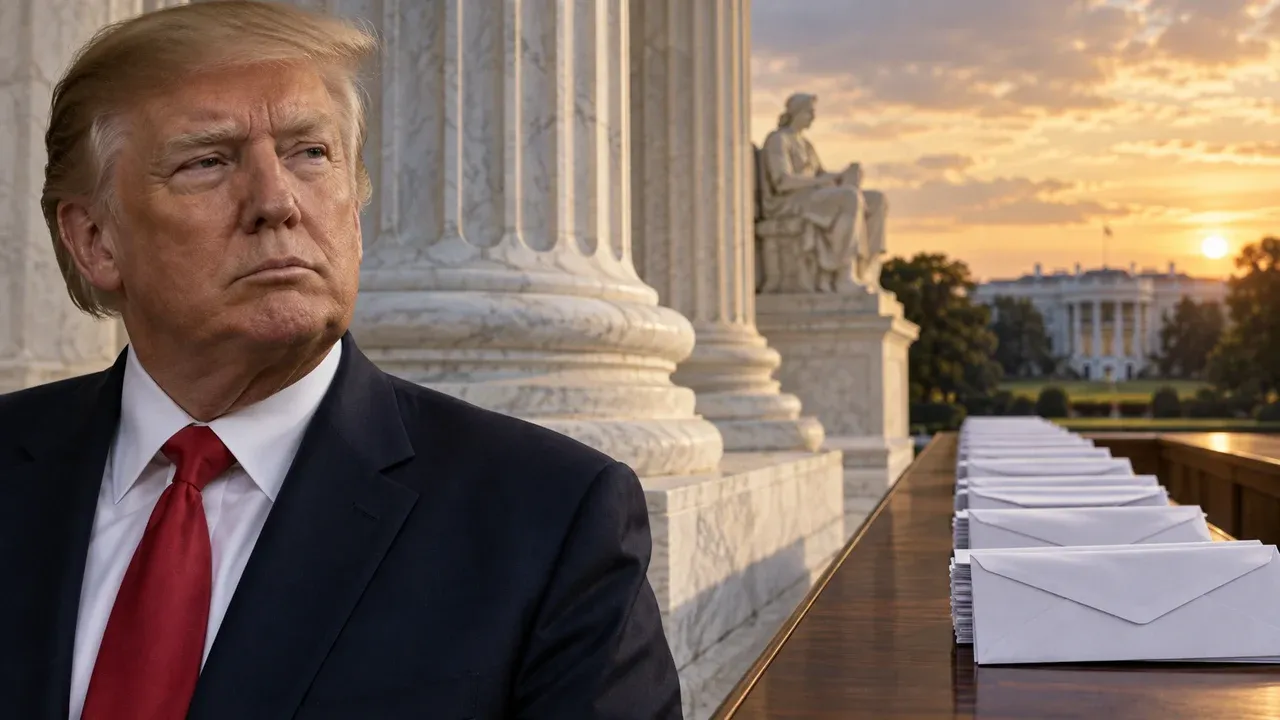
The Supreme Court’s rejection of the Trump administration’s plan to alter mail ballot distribution is a major loss for the president and his political allies. The administration had sought to dramatically change mail voting procedures, arguing that stricter rules were necessary to prevent fraud and ensure the integrity of the elections. The failure of this effort undermines the administration’s narrative that mail-in voting is vulnerable to abuse and that executive action is required to secure the electoral system. The ruling is a major loss for the Trump administration, which had sought to dramatically change mail voting procedures, and it diminishes its ability to influence the outcome of the 2026 midterms through administrative means [9]nytimes.comSCOTUS Rejects Trump Administration's Attempt to Enforce New Mail-In Ballot RulesThe Supreme Court on Monday rejected the administration’s attempt to allow the Postal Service to enforce new mail-in ballot requirements ahead of the 2026 elections.Open source ↗.
Legal experts have noted that the ruling is a bad indicator for Trump, suggesting that the Court is wary of executive overreach in voting rights. This assessment reflects the broader political context in which the decision was made. The Trump administration’s attempts to restrict mail-in voting have been viewed by many as politically motivated efforts to suppress voter turnout among demographics that tend to favor the opposition. The Supreme Court’s rejection of these efforts sends a message that such political maneuvering will not be tolerated by the judiciary. The ruling prevents the USPS from blocking the delivery of mail-in ballots for the 2026 midterms, thereby ensuring that voters who have already requested and received ballots will not be disenfranchised due to administrative changes [10]washingtonpost.comSupreme Court Blocks Trump’s Mail-In Ballot Plan Ahead of MidtermsThe Supreme Court blocked the Trump administration’s attempt to enforce new mail-in ballot delivery rules that threatened to severely disrupt the looming midterm elections.Open source ↗.
The political impact of the decision extends beyond the immediate election cycle. It sets a precedent for future administrations and highlights the limits of executive power in the realm of election administration. The decision reinforces the idea that election procedures are subject to legal scrutiny and that executive orders cannot be used to unilaterally alter them. This precedent may serve as a deterrent for future administrations that might consider using similar tactics to influence electoral outcomes. The ruling also emboldens advocates for voting rights, who have long argued against restrictions on mail-in voting. The decision allows states to send ballots under process followed for years even as president tried to limit system, thereby preserving the integrity of the electoral process.
Compass Predictive Analytics
The Future of Mail-In Voting and Electoral Integrity
The Supreme Court’s decision has significant implications for the future of mail-in voting in the United States. By rejecting the Trump administration’s attempt to enforce new mail-in ballot requirements, the Court has affirmed the importance of maintaining stability and predictability in election administration. The decision ensures that the existing rules, which have been followed for years, will govern the distribution of mail-in ballots in the 2026 midterm elections. This stability is crucial for maintaining public confidence in the electoral system and ensuring that voters can participate in the democratic process without fear of arbitrary changes.
The ruling also highlights the ongoing tension between executive power and judicial oversight in the realm of election administration. The Supreme Court’s rejection of the administration’s plan demonstrates its willingness to check executive power when it threatens to disrupt the electoral process. This tension is likely to persist in future election cycles, as administrations continue to seek ways to influence electoral outcomes through administrative means. The decision serves as a reminder that the judiciary plays a crucial role in protecting the integrity of the democratic process and ensuring that elections are conducted fairly and according to law.
The impact of the decision on the 2026 midterm elections is immediate and tangible. The ruling prevents the USPS from blocking the delivery of mail-in ballots, ensuring that millions of voters will be able to cast their ballots on time. This outcome is a victory for voting rights advocates and a setback for those who sought to restrict mail-in voting. The decision reinforces the idea that election procedures are subject to legal scrutiny and that executive orders cannot be used to unilaterally alter them. The Supreme Court’s action is a decisive statement that the executive branch must operate within the bounds of the law and that the judiciary is willing to intervene when those bounds are crossed. The ruling ensures that the 2026 midterm elections will be conducted under the existing rules, providing a level of continuity and predictability that is essential for a healthy democratic system.
Compass Predictive Analytics