Listen to this article
Narrated by Charlotte · The Noble House

The Incident and Immediate Context
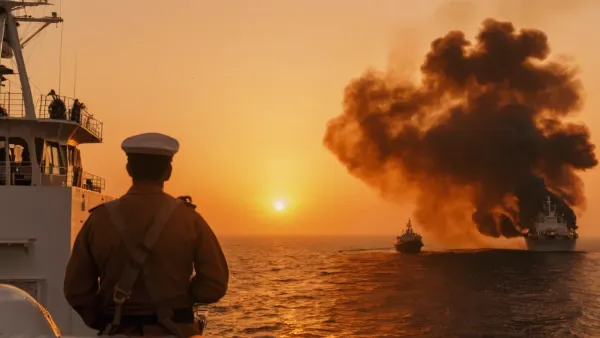
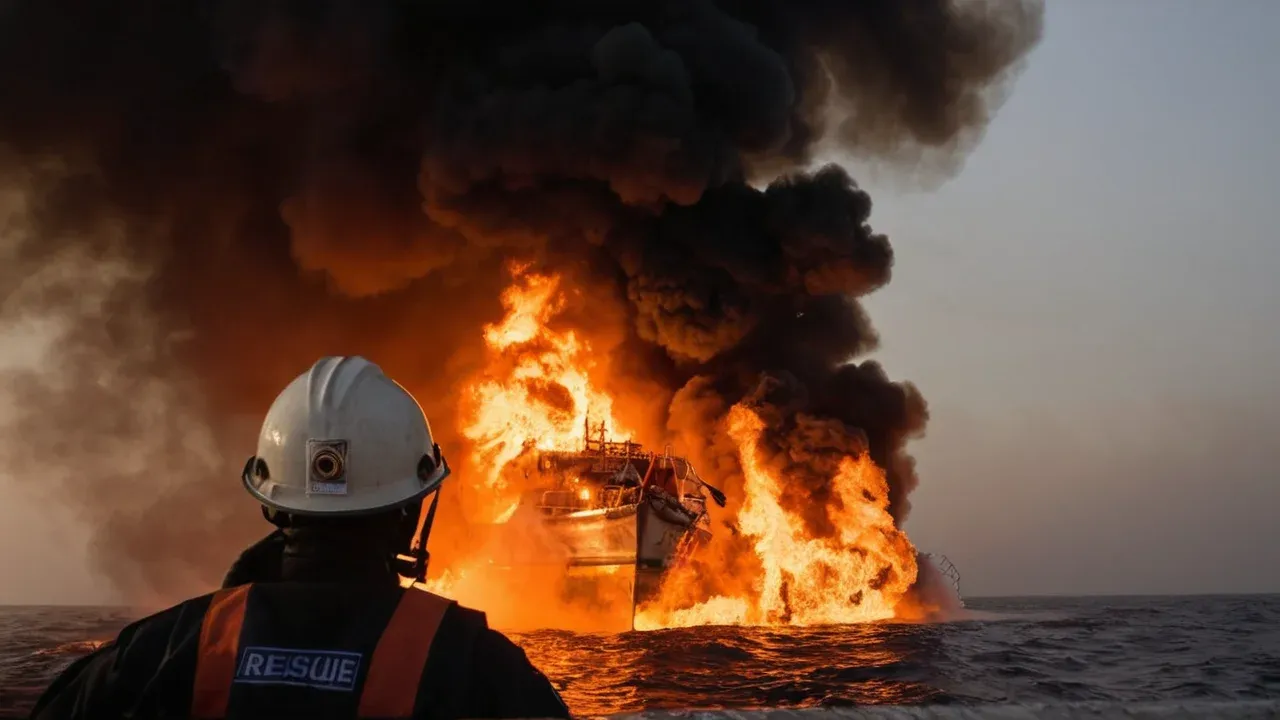
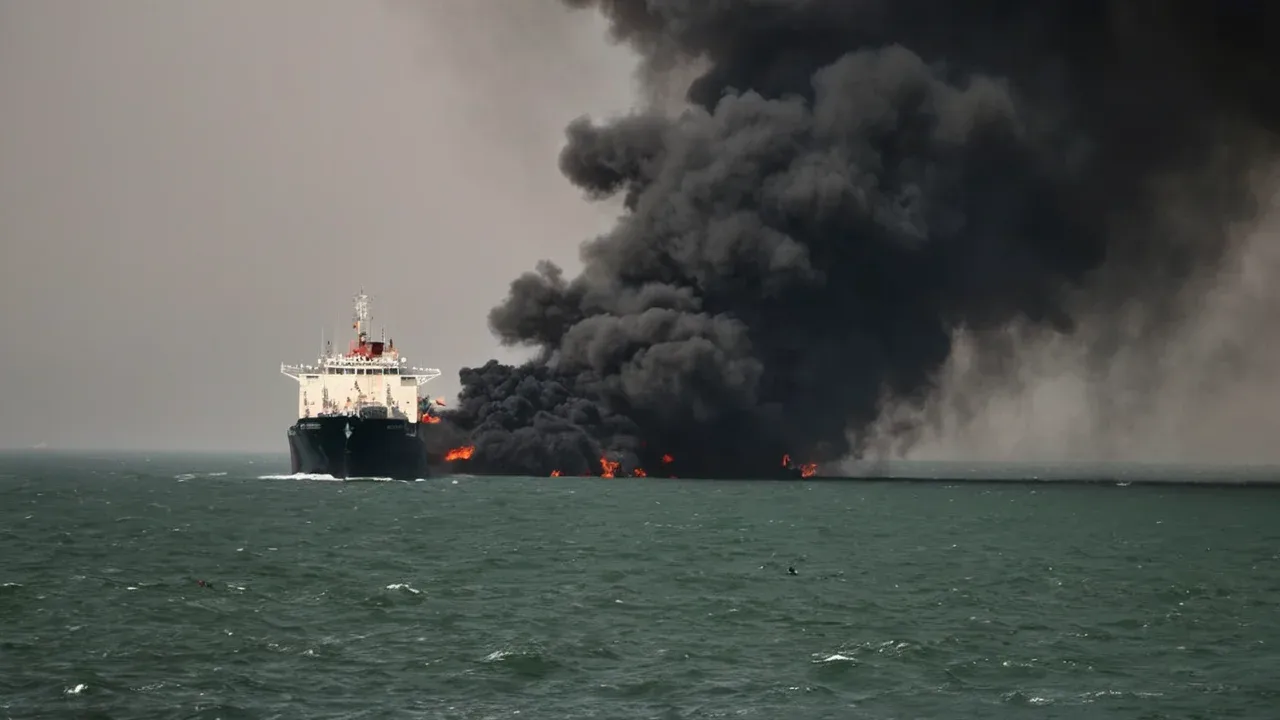
The fire still clung to the hull of the Iranian commercial vessel when the first rescue boats cut through the smoke-choked air near Hengam Island. The strike had come without warning, a sudden violence that shattered the fragile calm of the strait. On or around September 13, 2026, a commercial vessel was struck by an unknown projectile in the Strait of Hormuz near Hengam Island [3]edition.cnn.comIran reports commercial vessel struck in Strait of HormuzIranian state media has claimed an Iranian commercial vessel was struck in the Strait of Hormuz late Saturday, killing one person.Open source ↗. The impact ignited a fire on board the Iranian commercial vessel, resulting in the death of one crew member [1]cnbc.comVessel struck in Strait of Hormuz, UKMTO says, as talks appear elusiveUKMTO said a vessel was hit by an unknown projectile while transiting the Strait of Hormuz, sparking a fire and prompting a crew evacuation.Open source ↗. The United Kingdom Maritime Trade Operations (UKMTO) independently confirmed the incident, reporting that a vessel had been hit while transiting the strait, which necessitated the evacuation of the crew [2]ukmto.orgRecent Incidents - UKMTOA vessel has been struck by an unknown projectile while transiting the Strait of Hormuz.Open source ↗. This confirmation by UKMTO is crucial as it establishes the international recognition of the threat to neutral shipping and validates the severity of the event beyond regional narratives. The proximity of the incident to Hengam Island places it squarely within the narrowest and most congested part of the strait, where shipping lanes are densely packed and evasion options are minimal.
The timing of this strike is particularly significant when viewed against the backdrop of recent diplomatic activities. The incident occurred hours after foreign ministers signed the Salalah navigation framework [5]easternherald.comIran Cargo Ship Struck in Hormuz Hours After Salalah DealAn Iranian commercial cargo vessel was struck by a projectile near Hengam Island... killing one crew member hours after foreign ministers signed the Salalah navigation framework.Open source ↗. This framework was designed to establish protocols for safe shipping through the strait, representing a potential de-escalation in regional tensions. The immediate violation of this diplomatic norm suggests that the strike was intended to undermine the credibility of the agreement and signal that diplomatic channels cannot guarantee maritime security. The attack effectively rendered the Salalah framework moot in the eyes of international insurers and shipping companies, who rely on stability and predictability to operate in high-risk zones. The failure of the framework to prevent such an incident highlights the limitations of diplomatic agreements in the absence of robust enforcement mechanisms and mutual trust.
Compass Predictive Analytics
Strategic Implications and Regional Escalation
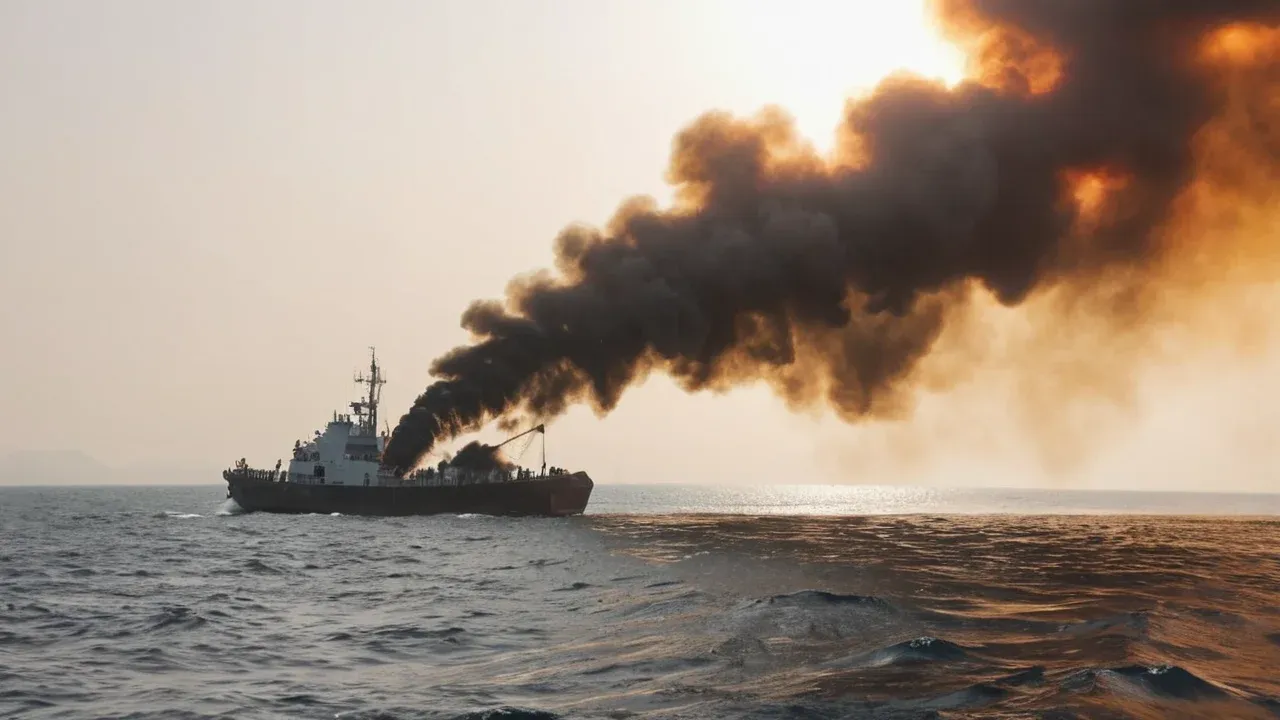
The strike on the commercial vessel is situated within an ongoing battle between the United States and Iran for control over the crucial energy chokepoint [3]edition.cnn.comIran reports commercial vessel struck in Strait of HormuzIranian state media has claimed an Iranian commercial vessel was struck in the Strait of Hormuz late Saturday, killing one person.Open source ↗. This conflict is about territorial sovereignty and the ability to project power and influence global markets. The Strait of Hormuz is a vital artery for global oil trade, with a significant portion of the world's petroleum passing through these waters daily. Any disruption to this flow has immediate and severe consequences for global energy prices and economic stability. The involvement of unknown projectiles in the attack raises questions about the attribution of responsibility and the capabilities of non-state actors involved in the region. The possibility that Iran-backed Houthi rebels were responsible, as suggested by some reports, indicates the expansion of proxy warfare into the maritime domain [8]youtube.comBREAKING: Vessel struck in Strait of HormuzAnother vessel has been hit by a projectile in the Strait of Hormuz as Iran-backed Houthi rebels make rapid gains.Open source ↗.
The incident is further linked to broader regional tensions, including the broader context of conflict involving Iran and its adversaries [7]defconlevel.comUKMTO: Vessel Struck by Unknown Projectile in Strait of Hormuz, Crew Casualty ReportedUKMTO issued Warning 115-26 on August 18 stating a Company Security Officer said that a vessel was struck by an unknown projectile.Open source ↗. The strike demonstrates the willingness of regional actors to target commercial infrastructure and civilian lives to achieve strategic objectives. This tactic of targeting commercial vessels is a form of economic warfare designed to impose costs on opposing nations and disrupt global supply chains. The death of a crew member underscores the human cost of these geopolitical struggles, highlighting the vulnerability of maritime workers to the whims of regional powers. The international community's response to such incidents is critical in determining whether such tactics will be tolerated or met with significant diplomatic and military consequences.
The proximity of this maritime attack to the closure of Saudi Arabia's East-West pipeline adds another layer of complexity to the situation. The report of the projectile hitting a vessel came a day after Saudi Arabia said it closed its East-West pipeline after a drone attack originating in Iraq [4]reuters.comNew report of attack in Strait of Hormuz shipping fans fears of threats to oil suppliesThe report of a projectile hitting a vessel came a day after Saudi Arabia said it closed its East-West pipeline after a drone attack.Open source ↗. This sequence of events suggests a coordinated effort to disrupt multiple critical energy infrastructure nodes simultaneously. The combination of a maritime strike and a pipeline closure indicates a multi-vector strategy aimed at maximizing pressure on global energy markets and demonstrating the inability of regional powers to protect their assets. The synchronization of these attacks implies a high degree of operational coordination among the perpetrators, potentially involving state-sponsored actors and proxy groups.
Compass Predictive Analytics
Diplomatic Fallout and International Response
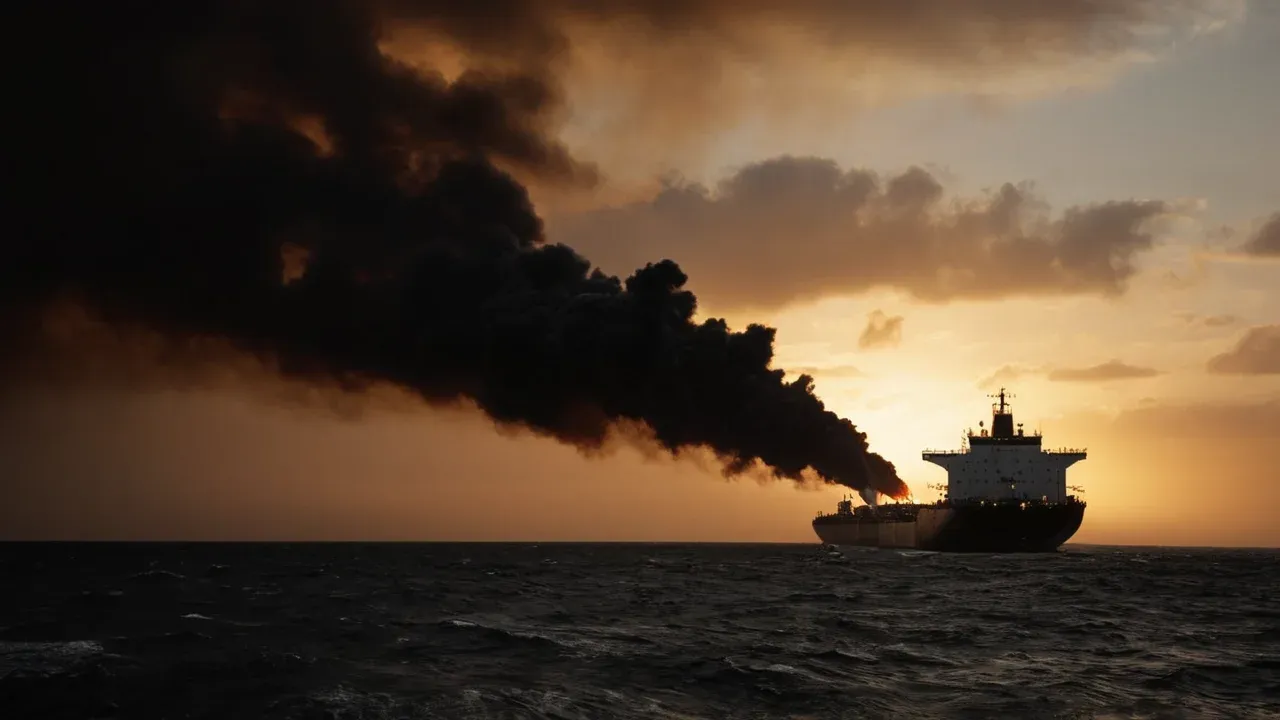
The strike on the commercial vessel has significant diplomatic implications, complicating ongoing talks regarding shipping through the strait [5]easternherald.comIran Cargo Ship Struck in Hormuz Hours After Salalah DealAn Iranian commercial cargo vessel was struck by a projectile near Hengam Island... killing one crew member hours after foreign ministers signed the Salalah navigation framework.Open source ↗. The signing of the Salalah navigation framework was intended to provide a framework for cooperation and safety, but the subsequent attack demonstrates the fragility of such agreements in the face of active hostility. The international community, including maritime security agencies like UKMTO, is tasked with monitoring and responding to such incidents. The UKMTO's issuance of warnings and its role in coordinating responses highlight the importance of international maritime organizations in maintaining safety and stability in global waterways. However, the effectiveness of these organizations is limited by their reliance on the cooperation of regional states and the ability to enforce rules in contested areas.
The incident has also sparked fears of threats to oil supplies, as reported by major news outlets [4]reuters.comNew report of attack in Strait of Hormuz shipping fans fears of threats to oil suppliesThe report of a projectile hitting a vessel came a day after Saudi Arabia said it closed its East-West pipeline after a drone attack.Open source ↗. These fears are not unfounded, given the strategic importance of the Strait of Hormuz and the potential for further disruptions. The closure of Saudi Arabia's East-West pipeline, combined with the strike on the commercial vessel, creates a narrative of systemic instability that could lead to increased insurance premiums, rerouting of shipping lanes, and higher energy costs for consumers worldwide. The economic impact of such disruptions extends beyond the immediate region, affecting global markets and supply chains. The international response to these incidents will likely include diplomatic pressure, increased naval presence, and potentially sanctions against those responsible for the attacks.
The involvement of Fox News and other media outlets in reporting the incident as "BREAKING" highlights the urgency and gravity of the situation [6]msn.comVessel struck in Strait of Hormuz, UKMTO says, as prospects for U.S.-Iran diplomacy appear elusiveThe latest strike happened ahead of an expected meeting between Iranian and Gulf officials in Oman to sign an agreement for shipping through the strait.Open source ↗. The media coverage plays a crucial role in shaping public perception and influencing policy responses. The framing of the incident as a potential second front in the conflict suggests a broader strategic assessment of the risks involved. The narrative of a potential second front implies that the conflict is expanding beyond traditional land-based engagements into the maritime and economic domains. This expansion increases the complexity of the conflict and the challenges faced by international actors in managing escalation and preventing wider war.
Compass Predictive Analytics
Analysis of Threat Vectors and Future Outlook
The strike on a commercial vessel in the Strait of Hormuz in September 2026 represents a significant escalation in maritime insecurity. The proximity to the signing of the Salalah framework suggests the attack was intended to undermine diplomatic efforts. The involvement of unknown projectiles and the subsequent closure of Saudi pipelines indicate a coordinated or multi-vector threat to global energy supplies. The UKMTO's involvement confirms the international recognition of the threat to neutral shipping. This analysis underscores the need for a robust and coordinated international response to maritime security challenges in the region.
The threat vector of using commercial vessels as targets or as indicators of broader attacks is a growing concern. The use of projectiles against ships demonstrates the capability and willingness of regional actors to engage in asymmetric warfare. The difficulty in attributing these attacks to specific actors complicates the response options available to the international community. The use of drones and other unmanned systems further complicates the detection and interception of threats, as they can operate with relative impunity in contested airspace and waters. The integration of these threats into a broader strategy of economic coercion requires a comprehensive approach that addresses both the immediate security challenges and the underlying political grievances.
The future outlook for maritime security in the Strait of Hormuz remains precarious. The recent incidents suggest that diplomatic efforts alone are insufficient to guarantee safety and stability. The international community must consider a range of options, including increased naval patrols, enhanced maritime surveillance, and diplomatic engagement with all relevant parties. The failure to address the root causes of the conflict, including regional rivalries and proxy warfare, will likely result in continued instability and risk of further escalation. The strategic importance of the Strait of Hormuz means that any disruption to its operation has global consequences, making its security a paramount concern for international policymakers and economic stakeholders.
The decisive nature of the strike on the commercial vessel signals a shift in the dynamics of the conflict. It demonstrates that regional actors are willing to take direct action to influence the course of events and challenge the status quo. The international community must respond with clarity and resolve to deter further aggression and protect the freedom of navigation. The lessons learned from this incident will inform future strategies for maritime security and conflict prevention in the region. The ultimate goal must be to restore stability and ensure the safe passage of commerce through this vital waterway, but achieving this requires a sustained and coordinated effort by all relevant actors. The window for diplomatic resolution is narrowing, and the risk of wider conflict is increasing. Immediate and decisive action is required to prevent further escalation and protect global interests.
Compass Predictive Analytics