
Listen to this article
Narrated by Charlotte · The Noble House
History becomes signal when time supplies the missing context.
2Briefs analyzed
10Signals inherited
5Patterns mapped
4/5Native forecasts
Executive Orientation
The screen glows with a cascade of red alerts from the Strait of Hormuz, but the real fracture lies deeper in the code. On September 15, 2026, the world is caught in a dual reality: kinetic threats are screaming for attention, while a silent, structural shift in economic agency is quietly redefining the rules of engagement. The Strait remains a volatile chokepoint, a place where ambiguity breeds escalation and diplomacy hangs by a thread [1]blog.thenoblehouse.aiMorning Brief — September 15, 2026Open the source to inspect the supporting evidence.Open source ↗[2]blog.thenoblehouse.aiEvening Brief — September 15, 2026Open the source to inspect the supporting evidence.Open source ↗. Simultaneously, the US electoral landscape is locked in legal whiplash, a testament to a system struggling to reconcile ballot access with structural political maneuvering [1]blog.thenoblehouse.aiMorning Brief — September 15, 2026Open the source to inspect the supporting evidence.Open source ↗[2]blog.thenoblehouse.aiEvening Brief — September 15, 2026Open the source to inspect the supporting evidence.Open source ↗. Yet, beneath these immediate pressures, the technological substrate is undergoing a decisive realignment. Open-source tools are no longer just alternatives. They are achieving parity with proprietary systems, and autonomous AI agents are stepping out of the role of passive analysts to become active economic participants [1]blog.thenoblehouse.aiMorning Brief — September 15, 2026Open the source to inspect the supporting evidence.Open source ↗[2]blog.thenoblehouse.aiEvening Brief — September 15, 2026Open the source to inspect the supporting evidence.Open source ↗. This convergence creates a latent pressure for regulatory and infrastructure adaptation. The technical feasibility of these new actors outpaces the development of accountability frameworks.
The operational reality of digital autonomy and open-source parity is beginning to overshadow immediate kinetic risks. This creates a structural shift that will define future regulatory and market dynamics. Stakeholders must bridge the gap between realized technical autonomy and the absence of legal accountability frameworks by monitoring the development of identity protocols and liability measures.
Signal 1: Kinetic Escalation in the Strait of Hormuz

Original signal
No additional supported observation was available within the review window. [1]blog.thenoblehouse.aiMorning Brief — September 15, 2026Open the source to inspect the supporting evidence.Open source ↗
Why it mattered
Immediate kinetic event with confirmed casualties and infrastructure damage in a critical global chokepoint. High probability of rapid escalation affecting global energy markets and diplomatic channels.
What happened
No additional supported observation was available within the review window.
Changed conditions
Disrupted.
Unexpected forces No additional supported observation was available within the review window.
Calibration lesson
Uncertainty remains: Perpetrator identity and immediate military retaliation scope are ambiguous.
Pattern bridge
No additional supported observation was available within the review window.
Next watch
UKMTO updates, Iranian/Gulf diplomatic statements, oil futures.
At selection Selected at high confidence. Immediate kinetic event with confirmed casualties and infrastructure damage in a critical global chokepoint. High probability of rapid escalation affecting global energy markets and diplomatic channels.
During the window The review-window evidence recorded:
At review The trajectory remains disrupted. The remaining uncertainty is Perpetrator identity and immediate military retaliation scope are ambiguous. The analytical focus is to Monitor for further kinetic actions, diplomatic fallout from Oman talks, and energy price volatility.
YES · favorWill technology adoption related to "BREAKING: Vessel struck in Strait of Hormuz" be independently verified within 72h? Horizon 72h.
UnavailableNo native Compass forecast identity exists in the inherited Brief evidence.
Compass Strategic Intelligence
Signal 2: Autonomous AI Financial Actors

https://blog.thenoblehouse.ai/p/b753d301-4168-45bd-bfd8-2cb60f28d1e2/ https://blog.thenoblehouse.ai/p/d5456457-f79a-46c0-85fe-b25da256bd62/
Original signal
A distinct class of onchain AI agents is emerging capable of holding wallets, signing transactions, and managing treasuries without direct human intervention. These agents act as independent economic participants, facilitated by smart contract systems, creating a structural shift in enterprise operations [2]blog.thenoblehouse.aiEvening Brief — September 15, 2026Open the source to inspect the supporting evidence.Open source ↗.
Why it mattered
This represents a fundamental change in economic agency, moving AI from passive tool to active financial entity. The lack of accountability frameworks for these autonomous actors creates a regulatory vacuum that will define future financial infrastructure [2]blog.thenoblehouse.aiEvening Brief — September 15, 2026Open the source to inspect the supporting evidence.Open source ↗.
What happened
Technical infrastructure for autonomous financial action is now a realized fact, driven by agentic AI frameworks and onchain protocols. However, a significant accountability gap exists as these agents gain the ability to move money, with protocols like Concordium attempting to provide verified identity [2]blog.thenoblehouse.aiEvening Brief — September 15, 2026Open the source to inspect the supporting evidence.Open source ↗.
Changed conditions
emerged. The capability is live and operational, but the supporting legal and trust frameworks are still in early development.
Unexpected forces The speed of adoption by creators and enterprises for autonomous treasury management has accelerated the need for liability definitions, outpacing traditional regulatory cycles.
Calibration lesson
Understanding that technical capability is outpacing legal infrastructure allows stakeholders to anticipate regulatory crackdowns and the need for identity verification protocols.
Pattern bridge
This shift parallels the evolution of corporate personhood, where legal definitions must catch up to operational realities to establish accountability.
Next watch
Regulatory filings, new AI-agent financial protocols, and liability case law regarding onchain actions.
At selection Selected for its high systemic reach and the critical gap between technical autonomy and legal accountability.
During the window The evening brief highlighted the convergence of agentic AI and onchain protocols, noting the specific need for identity frameworks like Concordium.
At review The signal underscores a persistent structural risk: autonomous economic actors operating without clear liability chains, requiring urgent regulatory attention.
YES · favorWill the market move described by "AI agents are becoming capable of much more than simply generating responses. They can hold wallets, interact with applications, sign transactions, make payments, communicate with " persist through 72h? Horizon 72h.
UnavailableNo native Compass forecast identity exists in the inherited Brief evidence.
Compass Strategic Intelligence
Compass Strategic Intelligence
Signal 3: Legal Intervention in US Electoral Processes

Original signal
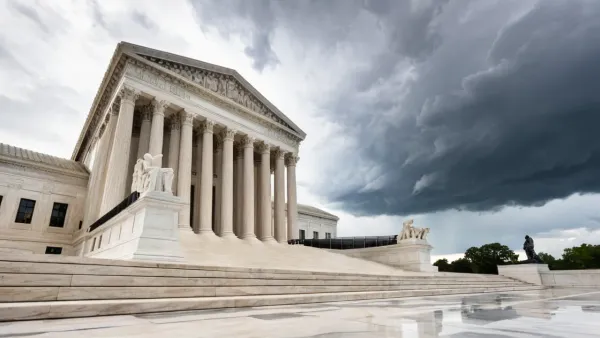
The US Supreme Court rejected the Trump administration's plan to alter mail ballot distribution. [1]blog.thenoblehouse.aiMorning Brief — September 15, 2026Open the source to inspect the supporting evidence.Open source ↗
Why it mattered
High-impact legal battle defining the integrity of the 2026 midterms. Immediate operational safeguards exist, but long-term political fragmentation is significant.
What happened
Mail-in voting will proceed as normal following the ruling. [1]blog.thenoblehouse.aiMorning Brief — September 15, 2026Open the source to inspect the supporting evidence.Open source ↗ The Supreme Court has granted the GOP victories in other election-related cases concerning redistricting and campaign spending. [1]blog.thenoblehouse.aiMorning Brief — September 15, 2026Open the source to inspect the supporting evidence.Open source ↗ The ruling is characterized as a significant legal defeat for the administration's recent executive efforts. [1]blog.thenoblehouse.aiMorning Brief — September 15, 2026Open the source to inspect the supporting evidence.Open source ↗ Democratic state officials have filed new legal challenges against the executive order. [1]blog.thenoblehouse.aiMorning Brief — September 15, 2026Open the source to inspect the supporting evidence.Open source ↗ The Supreme Court's recent action leaves a lower-court injunction in place. [1]blog.thenoblehouse.aiMorning Brief — September 15, 2026Open the source to inspect the supporting evidence.Open source ↗
Changed conditions
Unresolved.
Unexpected forces No additional supported observation was available within the review window.
Calibration lesson
Uncertainty remains: Outcome of ongoing litigation and potential executive counter-moves.
Pattern bridge
No additional supported observation was available within the review window.
Next watch
Federal court rulings, Democratic state legal filings, election admin protocols.
At selection Selected at medium confidence. High-impact legal battle defining the integrity of the 2026 midterms. Immediate operational safeguards exist, but long-term political fragmentation is significant.
During the window The review-window evidence recorded: The US Supreme Court rejected the Trump administration's plan to alter mail ballot distribution. [1]blog.thenoblehouse.aiMorning Brief — September 15, 2026Open the source to inspect the supporting evidence.Open source ↗ Mail-in voting will proceed as normal following the ruling. [1]blog.thenoblehouse.aiMorning Brief — September 15, 2026Open the source to inspect the supporting evidence.Open source ↗ The Supreme Court has granted the GOP victories in other election-related cases concerning redistricting and campaign spending. [1]blog.thenoblehouse.aiMorning Brief — September 15, 2026Open the source to inspect the supporting evidence.Open source ↗ The ruling is characterized as a significant legal defeat for the administration's recent executive efforts. [1]blog.thenoblehouse.aiMorning Brief — September 15, 2026Open the source to inspect the supporting evidence.Open source ↗ Democratic state officials have filed new legal challenges against the executive order. [1]blog.thenoblehouse.aiMorning Brief — September 15, 2026Open the source to inspect the supporting evidence.Open source ↗ The Supreme Court's recent action leaves a lower-court injunction in place. [1]blog.thenoblehouse.aiMorning Brief — September 15, 2026Open the source to inspect the supporting evidence.Open source ↗
At review The trajectory remains unresolved. The remaining uncertainty is Outcome of ongoing litigation and potential executive counter-moves. The analytical focus is to Monitor lower-court injunction status and GOP strategic shifts to structural advantages.
NO · againstWill "Trump loses major voting case: Legal expert explains why" produce verified policy implementation within 72h? Horizon 72h.
UnavailableNo native Compass forecast identity exists in the inherited Brief evidence.
Compass Strategic Intelligence
Compass Strategic Intelligence
Signal 4: Saudi Geopolitical Posture
https://blog.thenoblehouse.ai/p/b753d301-4168-45bd-bfd8-2cb60f28d1e2/ https://blog.thenoblehouse.ai/p/d5456457-f79a-46c0-85fe-b25da256bd62/
Original signal
Saudi Arabia has vowed a firm response to ongoing Houthi attacks, though the specific nature, scale, and timing of this response remain obscured. This vow indicates heightened tension and a preparedness to escalate military or diplomatic posture against Houthi forces [2]blog.thenoblehouse.aiEvening Brief — September 15, 2026Open the source to inspect the supporting evidence.Open source ↗.
Why it mattered
The vow serves as a potential trigger for broader regional conflict, threatening energy supply chains and shipping lanes in the Red Sea and Gulf regions [2]blog.thenoblehouse.aiEvening Brief — September 15, 2026Open the source to inspect the supporting evidence.Open source ↗.
What happened
Reports confirmed the Saudi vow but lacked details on execution. The ongoing nature of the attacks implies a persistent threat to regional stability, with the absence of counter-evidence suggesting the narrative is currently dominated by the Saudi perspective [2]blog.thenoblehouse.aiEvening Brief — September 15, 2026Open the source to inspect the supporting evidence.Open source ↗.
Changed conditions
dormant. The response is planned but not yet executed, creating a period of uncertainty and potential for sudden kinetic action.
Unexpected forces The strategic ambiguity maintained by Saudi Arabia regarding the specifics of the response adds a layer of unpredictability to regional security dynamics.
Calibration lesson
Understanding the vow as a deterrent and a trigger allows for better anticipation of potential escalation scenarios and their impact on global energy markets.
Pattern bridge
This posture mirrors historical patterns of state retaliation in asymmetric conflicts, where the threat of force is used to deter further aggression.
Next watch
Saudi military movements, Houthi activity reports, and regional insurance rates for signs of escalating conflict.
At selection Selected for its potential for escalation and the threat it poses to regional stability and energy supply chains.
During the window The evening brief noted the vow and the lack of specific details, highlighting the obscured nature of the impending response.
At review The signal remains a key variable for regional stability, with the timing and scale of the response still unknown but highly consequential.
UnavailableNo native Compass forecast identity exists in the inherited Brief evidence.
Compass Strategic Intelligence
Signal 5: Digital ID Implementation in UK Licensed Premises

Original signal
The Draft Licensing Act 2003 (Mandatory Licensing Conditions) (Amendment) Order 2026 was approved by Parliament, with implementation beginning immediately upon publication. [1]blog.thenoblehouse.aiMorning Brief — September 15, 2026Open the source to inspect the supporting evidence.Open source ↗
Why it mattered
Regulatory shift requiring immediate compliance for UK businesses. Reverses previous political trends, signaling pragmatic adoption of digital infrastructure.
What happened
Licensed premises including pubs, bars, restaurants, music venues, and shops may now accept government-approved digital ID apps alongside physical documents. [1]blog.thenoblehouse.aiMorning Brief — September 15, 2026Open the source to inspect the supporting evidence.Open source ↗ The UK government states the digital option is intended to make age-checks quicker and more secure for customers and staff. [1]blog.thenoblehouse.aiMorning Brief — September 15, 2026Open the source to inspect the supporting evidence.Open source ↗ This rollout reverses previous political trends, as digital ID initiatives were abandoned by the government roughly two months prior. [1]blog.thenoblehouse.aiMorning Brief — September 15, 2026Open the source to inspect the supporting evidence.Open source ↗
Changed conditions
Redirected.
Unexpected forces No additional supported observation was available within the review window.
Calibration lesson
Uncertainty remains: Public adoption speed and technical friction in legacy systems.
Pattern bridge
No additional supported observation was available within the review window.
Next watch
UK licensing authority guidance, vendor integration updates, compliance reports.
At selection Selected at high confidence. Regulatory shift requiring immediate compliance for UK businesses. Reverses previous political trends, signaling pragmatic adoption of digital infrastructure.
During the window The review-window evidence recorded: The Draft Licensing Act 2003 (Mandatory Licensing Conditions) (Amendment) Order 2026 was approved by Parliament, with implementation beginning immediately upon publication. [1]blog.thenoblehouse.aiMorning Brief — September 15, 2026Open the source to inspect the supporting evidence.Open source ↗ Licensed premises including pubs, bars, restaurants, music venues, and shops may now accept government-approved digital ID apps alongside physical documents. [1]blog.thenoblehouse.aiMorning Brief — September 15, 2026Open the source to inspect the supporting evidence.Open source ↗ The UK government states the digital option is intended to make age-checks quicker and more secure for customers and staff. [1]blog.thenoblehouse.aiMorning Brief — September 15, 2026Open the source to inspect the supporting evidence.Open source ↗ This rollout reverses previous political trends, as digital ID initiatives were abandoned by the government roughly two months prior. [1]blog.thenoblehouse.aiMorning Brief — September 15, 2026Open the source to inspect the supporting evidence.Open source ↗
At review The trajectory remains redirected. The remaining uncertainty is Public adoption speed and technical friction in legacy systems. The analytical focus is to Assess adoption rates and technical interoperability issues for licensed premises.
YES · favorWill "Pubs in England and Wales allow digital ID to prove age. #DigitalID #Pub #BBCNews" produce verified policy implementation within 72h? Horizon 72h.
UnavailableNo native Compass forecast identity exists in the inherited Brief evidence.
Compass Strategic Intelligence
Compass Strategic Intelligence
Residual Field: The Residual Field: Open-Source Parity and Agentic Structural Shifts
The residual signals converge on a decisive structural realignment where technical capabilities are achieving parity or superiority over legacy systems, creating a latent pressure for rapid adoption and regulatory adaptation. Open Source Code Review Dominance demonstrates that Alibaba’s tool rivals proprietary competitors in precision and cost, signaling a shift in developer tooling dynamics. This is complemented by the Evolution of Open-Source AI Coding Agents, where tools like Pi foster community-driven growth through real-world data sharing, challenging the dominance of closed ecosystems. In the interface layer, Gemini 3.8 Live Audio Interface expands human-AI interaction beyond text, representing a strategic push into daily professional workflows with significant pricing implications. Simultaneously, Autonomous Finance and Data Integrity highlights the industry’s shift toward agentic AI in finance, requiring robust data governance as funding flows into infrastructure like Airwallex and SAP. Finally, Housing Market and Construction Economics reflects the intersection of environmental disaster and trade policy, where tariffs and wildfires create economic fragility in rebuilding efforts. Together, these signals indicate that the technical feasibility of new economic and operational actors is outpacing the development of accountability frameworks and user trust mechanisms, forcing a rapid recalibration of enterprise and regulatory strategies.
https://blog.thenoblehouse.ai/p/b753d301-4168-45bd-bfd8-2cb60f28d1e2/ https://blog.thenoblehouse.ai/p/d5456457-f79a-46c0-85fe-b25da256bd62/
[1]blog.thenoblehouse.aiMorning Brief — September 15, 2026Open the source to inspect the supporting evidence.Open source ↗ [2]blog.thenoblehouse.aiEvening Brief — September 15, 2026Open the source to inspect the supporting evidence.Open source ↗
Cross-Field Convergence
The prevailing signals of kinetic risk and legal fragmentation are increasingly overshadowed by the structural shifts identified in the residual field. The gap between realized technical autonomy in finance and the absence of legal accountability frameworks is the critical contradiction of the day. Autonomous AI financial actors are operating in a regulatory vacuum, while open-source tools are disrupting proprietary markets with superior efficiency. This convergence suggests that the operational reality of digital autonomy is beginning to define the trajectory of economic and political systems, requiring urgent adaptation. The geopolitical tensions in the Strait of Hormuz and the legal battles in the US are immediate pressures, but the long-term impact lies in the ability of autonomous agents and open-source ecosystems to redefine operational boundaries. Stakeholders must bridge this gap by monitoring the development of identity protocols and liability frameworks that can support the new reality of agentic economic agency.
https://blog.thenoblehouse.ai/p/b753d301-4168-45bd-bfd8-2cb60f28d1e2/ https://blog.thenoblehouse.ai/p/d5456457-f79a-46c0-85fe-b25da256bd62/
[1]blog.thenoblehouse.aiMorning Brief — September 15, 2026Open the source to inspect the supporting evidence.Open source ↗ [2]blog.thenoblehouse.aiEvening Brief — September 15, 2026Open the source to inspect the supporting evidence.Open source ↗
Final Day Synthesis
September 15, 2026, marks a pivot where the operational reality of digital autonomy and open-source parity begins to overshadow immediate kinetic risks. The stronger day-level conclusion is that the technical feasibility of autonomous economic actors and open-source tools is outpacing the development of accountability frameworks, creating a structural shift that will define future regulatory and market dynamics. Bounded uncertainty remains in the speed of regulatory response to autonomous actors and the extent of geopolitical escalation in the Middle East. Next watches include regulatory filings for AI identity protocols, adoption rates for open-source coding tools, and geopolitical developments in the Strait of Hormuz.
https://blog.thenoblehouse.ai/p/b753d301-4168-45bd-bfd8-2cb60f28d1e2/ https://blog.thenoblehouse.ai/p/d5456457-f79a-46c0-85fe-b25da256bd62/
[1]blog.thenoblehouse.aiMorning Brief — September 15, 2026Open the source to inspect the supporting evidence.Open source ↗ [2]blog.thenoblehouse.aiEvening Brief — September 15, 2026Open the source to inspect the supporting evidence.Open source ↗