Compass Nexus Map — August 13, 2026
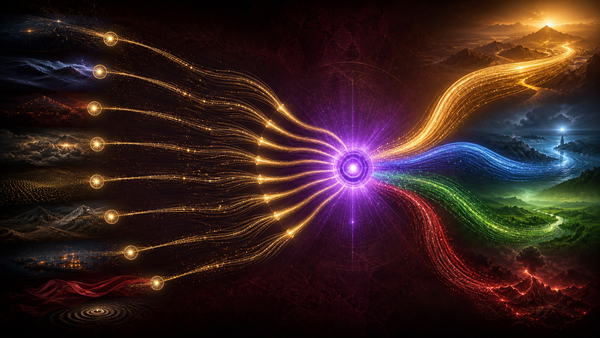
Ten verified signals reveal a widening divide between digital leverage and physical resilience, then map four plausible pathways and two strategic countercurrents.
Growth, potential, and the Ascend program
Ten verified signals reveal a widening divide between digital leverage and physical resilience, then map four plausible pathways and two strategic countercurrents.
The August 13 scorecard finds operational excellence becoming a survival requirement as human, biological, and financial limits collide with digital acceleration. Creator saturation, Ebola, connectivity disruption, enforcement technology, and platform data extraction expose a widening fragility gap.
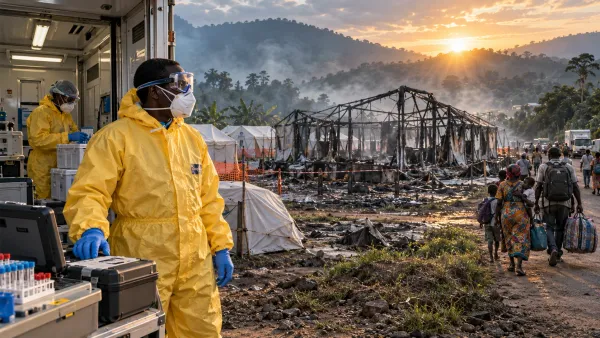
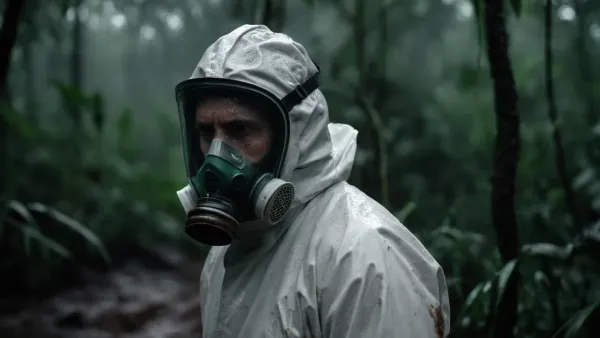
The rain in Masisi does not wash away the blood; it only turns the red dust into a slick, treacherous mud that swallows boots and slows the desperate march of health workers.
The alarm buzzes at 6:00 AM, yet your body feels exhausted, as if you have already run a marathon. You reach for coffee, then another, chasing a clarity that stays just out of reach. By 3:00 PM, brain fog thickens, your mood fractures, and a persistent hunger for sugar signals a metabolic rebellion.
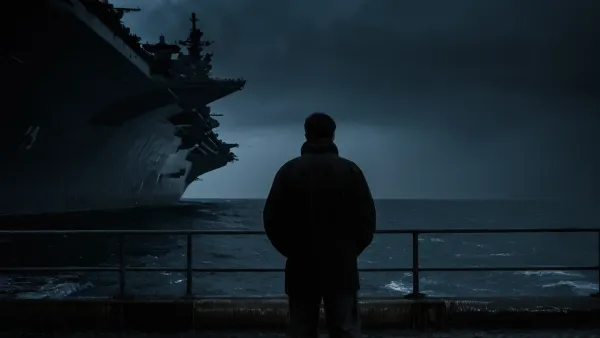
The low-frequency thrum of the USS Abraham Lincoln’s reactors vibrates through the decks, a constant reminder of the 5,000 sailors and Marines trapped on board. For most of naval history, that sound meant readiness and home.
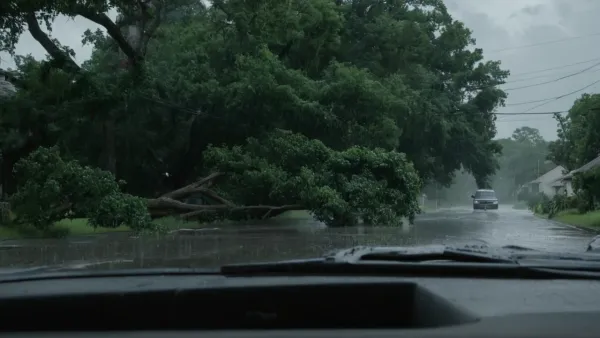
Atmospheric pressure plummeted over eastern Iowa on the afternoon of August 11, 2026, creating a vacuum that pulled ears tight and whistled through window frames before the wind arrived.
Five signals reveal a widening gap between technological capability and human governance: semantic drift, infrastructure collapse, first-responder surveillance, edge AI, and unresolved violence are advancing faster than institutions can preserve meaning, rights, and resilience.
The terminal cursor blinks, waiting for input before text begins to scroll across the screen. The steady, rhythmic confirmation of a job well done replaces the frantic, error-laden output of a struggling script. 81K images. Processed. No human hand held the mouse. No manager checked the box.
NASA engineers on August 4, 2026, executed a maneuver dubbed "Big Bang," a deliberate sacrifice of thermal comfort to preserve the probe’s scientific voice . The team traded warmth for data transmission by turning off a critical heater and shifting operations to a less efficient backup circuit .
AI can generate anything. It can't tell you what's worth generating. Taste — trained pattern recognition — is the last competitive advantage. And it can't be automated.
HBR found AI doesn't reduce work — it intensifies it. Most corporate AI deployments are theater. The gap between the pitch deck and production floor is the real story.
A TechCrunch report found that early AI adopters are burning out faster than holdouts. Their to-do lists expanded to fill every hour AI freed up, and then kept going. The problem isn't the technology. The problem is that nobody updated the expectations.