
Listen to this article
Narrated by Charlotte · The Noble House

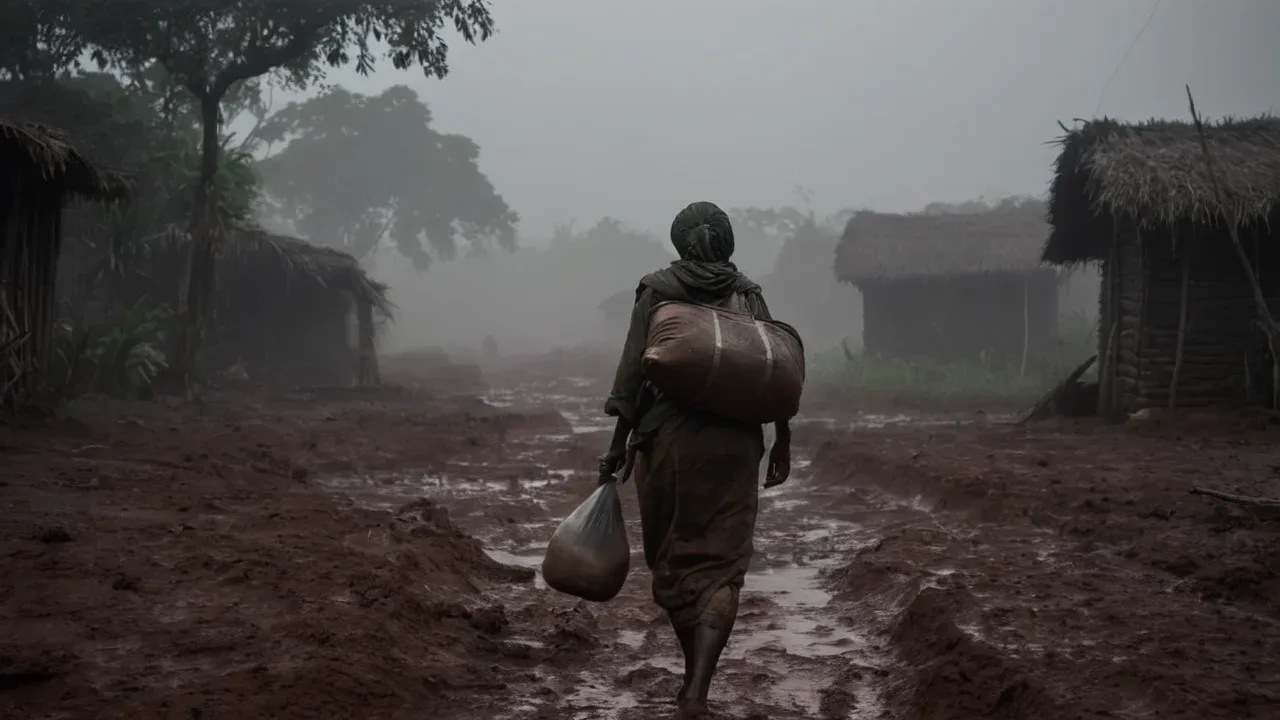
The rain in Masisi does not wash away the blood; it only turns the red dust into a slick, treacherous mud that swallows boots and slows the desperate march of health workers. In this mud, the Bundibugyo variant of the Ebola virus moves with a silent, biological precision that technology and good will have yet to fully arrest. The World Health Organization has declared that the current outbreak in the Democratic Republic of the Congo is on track to become the deadliest in recorded history, a stark warning from Director-General Tedros Adhanom Ghebreyesus that frames this crisis not as a localized tragedy, but as a potential global failure [1]youtube.comEbola outbreak on track to be deadliest ever, WHO chief says. #Ebola #DRC #BBCNewsOpen the source to inspect the supporting evidence.Open source ↗. The stakes are absolute: if the trajectory of this epidemic is not altered, it will eclipse the catastrophic toll of the 2014–2016 West Africa epidemic, which killed over 11,000 people and reshaped global health security [7]apnews.comCongo's Ebola outbreak on track to surpass history's deadliest one, WHO saysOpen the source to inspect the supporting evidence.Open source ↗. The convergence of biological threat, difficult terrain, and armed violence has generated a chaotic environment where the virus spreads with alarming speed.
Epidemiological Profile and Viral Characteristics
Health officials are currently battling an outbreak caused by the Bundibugyo species of the Ebola virus, a variant that presents distinct challenges compared to the more widely recognized Zaire ebolavirus, which caused the 2014–2016 pandemic and the subsequent outbreaks in the DRC. Knowing that the Bundibugyo species is responsible for the current crisis changes the medical and logistical response strategy significantly [3]who.intEbola disease caused by Bundibugyo virus - Democratic ...Open the source to inspect the supporting evidence.Open source ↗. Unlike the Zaire species, for which effective vaccines and monoclonal antibody treatments have been developed and deployed in recent years, there is currently no widely deployed vaccine or specific antiviral treatment for the Bundibugyo variant. This lack of medical countermeasures means that containment relies almost entirely on traditional public health measures: rapid case identification, isolation, and contact tracing. The absence of a vaccine creates a vacuum in herd immunity protection, allowing the virus to spread unchecked in vulnerable communities.
Data as of July 30, 2026, indicates a total of 3,605 confirmed cases and 1,587 deaths [5]euronews.comCongo’s Ebola outbreak on track to surpass deadliest in history, WHO chief saysOpen the source to inspect the supporting evidence.Open source ↗. This figure establishes the current outbreak as the largest Ebola outbreak ever reported in the DRC, a nation that has suffered numerous smaller outbreaks over the past decades [5]euronews.comCongo’s Ebola outbreak on track to surpass deadliest in history, WHO chief saysOpen the source to inspect the supporting evidence.Open source ↗. The sheer volume of cases suggests a sustained chain of transmission that has evaded initial containment efforts for an extended period. The crude case fatality ratio stands at 44%, a figure that, while lower than the historical peaks of some other Ebola species, remains devastatingly high and indicative of a healthcare system under extreme strain [5]euronews.comCongo’s Ebola outbreak on track to surpass deadliest in history, WHO chief saysOpen the source to inspect the supporting evidence.Open source ↗. The WHO has characterized the death rate as 'huge', estimating it to be between 30% and 50%, which underscores the severity of the clinical outcomes for those infected [2]who.intEbola outbreak - DRC 2026Open the source to inspect the supporting evidence.Open source ↗.
The geographic spread of the virus is another alarming aspect of the current crisis. The outbreak affects remote areas of both the DRC and Uganda, complicating the ability of health workers to reach affected populations [3]who.intEbola disease caused by Bundibugyo virus - Democratic ...Open the source to inspect the supporting evidence.Open source ↗. Remote terrain often lacks basic infrastructure, such as roads and reliable communication networks, which are essential for the rapid deployment of mobile clinics and the safe transport of samples to laboratories. The cross-border nature of the outbreak adds a layer of diplomatic and operational complexity, requiring coordinated response efforts between two sovereign nations with differing health capacities and security situations. The World Health Organization declared the 2026 DRC/Uganda outbreak a Public Health Emergency of International Concern on May 17, 2026, signaling the global significance of the threat and the need for international support [6]usnews.comThe ongoing Ebola outbreak in Congo is on track to surpass the deadliest one in historyOpen the source to inspect the supporting evidence.Open source ↗. This declaration was not made lightly, reflecting the realization that the outbreak had exceeded the capacity of local and national resources to manage effectively.
Compass Predictive Analytics
Compass Predictive Analytics
The Confluence of Conflict and Humanitarian Crisis
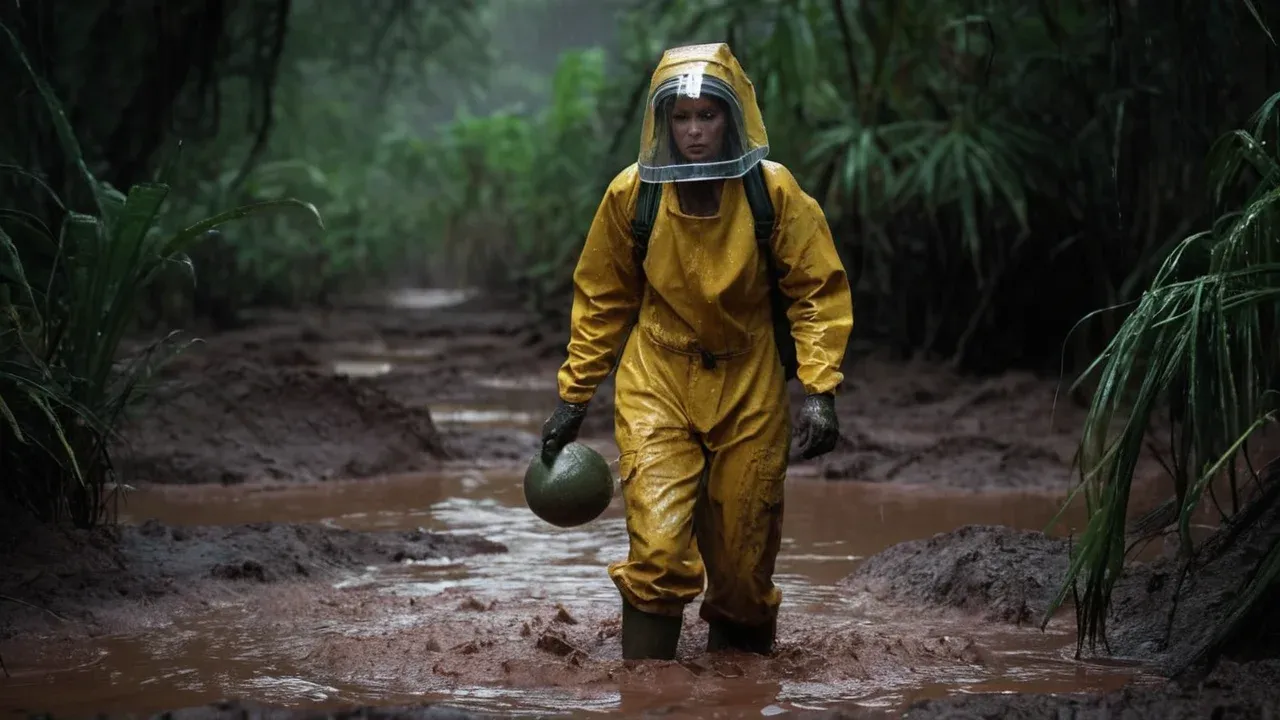
Armed conflict and widespread insecurity function as the primary engines driving the persistence and expansion of the outbreak in the affected regions of the DRC. The outbreak is spreading in an environment where insecurity, attacks on health facilities, and population movements are making it nearly impossible to trace contacts and isolate cases [4]cdc.govEbola Outbreak: Current Situation | Ebola | CDCOpen the source to inspect the supporting evidence.Open source ↗. This intersection of disease and conflict creates a vicious cycle where violence fuels the spread of the virus, and the spread of the virus exacerbates the humanitarian crisis. Health workers operating in these regions face significant risks, including direct threats to their safety, which leads to staff shortages and the reluctance of community members to seek treatment. The destruction or damage of health facilities further reduces the capacity to diagnose and treat patients, forcing many to remain in their communities where they continue to transmit the virus.
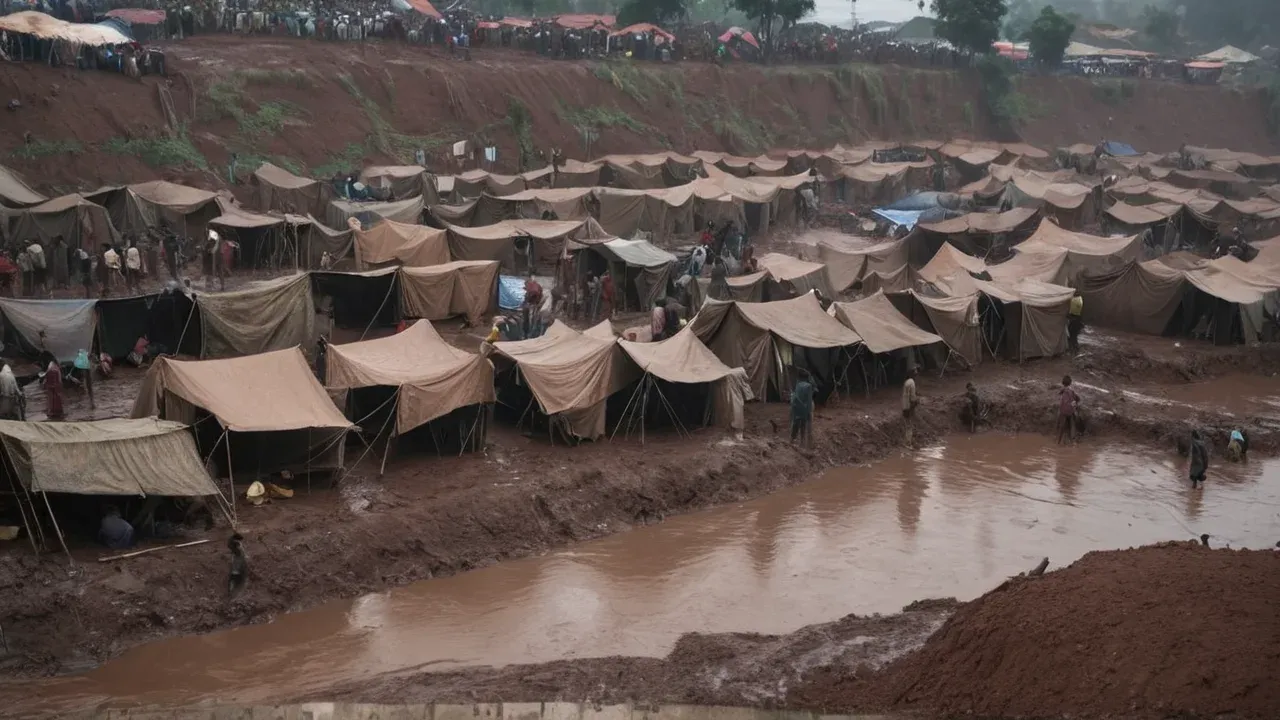
Population movements are another critical factor in the dynamics of the outbreak. In conflict zones, large numbers of people are displaced, fleeing violence and seeking safety in crowded camps or neighboring regions. These displaced populations often live in precarious conditions with limited access to clean water, sanitation, and healthcare, making them highly susceptible to infectious diseases. The movement of people also facilitates the geographical spread of the virus, as infected individuals may carry the pathogen from one community to another before symptoms appear. Contact tracing, the cornerstone of Ebola containment, becomes nearly impossible when the population is transient and distrustful of authorities. The fear of being identified as a case and subjected to isolation or stigmatization leads many to hide their symptoms, further delaying treatment and allowing the virus to spread silently.
The humanitarian context is further compounded by hunger and food insecurity in the region. Malnutrition weakens the immune systems of individuals, potentially increasing the severity of the disease and the likelihood of death. It also reduces the capacity of communities to respond to the outbreak, as resources that might be used for prevention and care are diverted to survival. The United Nations has highlighted the collision of the Ebola outbreak with conflict and hunger, emphasizing that the crisis is not just a medical emergency but a humanitarian catastrophe [4]cdc.govEbola Outbreak: Current Situation | Ebola | CDCOpen the source to inspect the supporting evidence.Open source ↗. Addressing the Ebola outbreak requires more than medical intervention; it demands a broader effort to stabilize the security situation and provide humanitarian aid to affected populations. Without addressing these underlying drivers, medical efforts will remain largely ineffective in curbing the spread of the virus.
Compass Predictive Analytics
Compass Predictive Analytics
Historical Context and the Trajectory Toward Record-Breaking Toll
Analyzing the current situation against the historical benchmark of the 2014–2016 West Africa outbreak clarifies the gravity of the present emergency. That outbreak killed over 11,000 people across multiple countries, overwhelming healthcare systems and triggering a global response [7]apnews.comCongo's Ebola outbreak on track to surpass history's deadliest one, WHO saysOpen the source to inspect the supporting evidence.Open source ↗. The current outbreak in the DRC, with 1,587 deaths as of late July 2026, is already on a trajectory that could surpass this historical peak. The WHO Director-General has stated that the current outbreak is on track to surpass the deadliest one in history, a warning that has been echoed by multiple news outlets and health organizations [2]who.intEbola outbreak - DRC 2026Open the source to inspect the supporting evidence.Open source ↗. The U.S. News & World Report noted that the ongoing Ebola outbreak in Congo is on track to surpass the deadliest one in history, highlighting the unprecedented nature of the threat [7]apnews.comCongo's Ebola outbreak on track to surpass history's deadliest one, WHO saysOpen the source to inspect the supporting evidence.Open source ↗. Firstpost also reported that the Ebola outbreak is on the verge of being the deadliest ever, according to the WHO chief [8]aljazeera.comDR Congo Ebola outbreak set to become deadliest on record, WHO warnsOpen the source to inspect the supporting evidence.Open source ↗.
The comparison with the 2014–2016 outbreak extends beyond mere mortality numbers to include the nature of the threat. The 2014 outbreak spread through urban centers and international borders, leading to global panic and the deployment of massive international resources. The current outbreak is occurring in a region with less infrastructure and greater insecurity, which may slow its international spread but make it harder to control locally. The lack of a vaccine for the Bundibugyo species is a significant differentiator. In previous outbreaks, the rapid deployment of vaccines like rVSV-ZEBOV helped to contain the virus and protect healthcare workers. The absence of such a tool for Bundibugyo means that the response is limited to traditional methods, which are less effective in the face of a large-scale outbreak in a conflict zone.
The case fatality ratio of 44% is also a critical metric in this comparison. While the 2014 outbreak had a lower overall case fatality ratio due to better medical care in some areas and the nature of the Zaire species, the current high CFR indicates a severe clinical burden. The WHO's estimate of a death rate of 30-50% suggests that the actual toll may be even higher than the confirmed figures, as many deaths may occur in remote areas where cases are not reported [2]who.intEbola outbreak - DRC 2026Open the source to inspect the supporting evidence.Open source ↗. This underreporting is a common challenge in Ebola outbreaks in the DRC, where health infrastructure is weak and access is limited. The true scale of the outbreak is likely larger than the confirmed cases, raising the possibility that the death toll could exceed 11,000 if the current trajectory continues.
Compass Predictive Analytics
Compass Predictive Analytics

Strategic Implications and the Path Forward
The declaration that the Ebola outbreak is on track to be the deadliest ever serves as a urgent call to action for the international community. The situation in the DRC and Uganda requires a coordinated and sustained response that addresses both the medical and humanitarian aspects of the crisis. The lack of a vaccine for the Bundibugyo species is a significant gap in the global health arsenal that must be addressed through accelerated research and development. In the short term, the focus must be on strengthening containment efforts through increased funding for contact tracing, isolation units, and community engagement. Health workers need protection and support to operate safely in conflict zones, and international forces may need to be deployed to secure key areas for health operations.
The intersection of conflict and disease highlights the need for peacebuilding as a public health strategy. Without a reduction in violence and a stabilization of the security situation, efforts to control the outbreak will remain hampered. Humanitarian aid must be scaled up to address the hunger and displacement that are fueling the spread of the virus. International partners must work with local authorities and community leaders to build trust and encourage cooperation with health interventions. The World Health Organization's declaration of a Public Health Emergency of International Concern was a necessary step, but it must be followed by tangible support and resources [6]usnews.comThe ongoing Ebola outbreak in Congo is on track to surpass the deadliest one in historyOpen the source to inspect the supporting evidence.Open source ↗.
The potential for the current outbreak to surpass the 2014–2016 epidemic is a stark reminder of the fragility of global health security. The Bundibugyo species poses a unique threat due to the lack of medical countermeasures, and the conflict environment in the DRC creates a chaotic environment for uncontrolled spread. The international community must recognize the urgency of the situation and act decisively to prevent a catastrophic loss of life. The path forward requires a combination of medical innovation, humanitarian aid, and political will to address the root causes of the crisis. The outcome of this outbreak will depend on the ability of global health systems to respond effectively to a complex and evolving emergency. The warning from the WHO chief is not just a prediction but a challenge to the world to prevent history from repeating its most deadly chapter [8]aljazeera.comDR Congo Ebola outbreak set to become deadliest on record, WHO warnsOpen the source to inspect the supporting evidence.Open source ↗. The time for decisive action is now, before the death toll climbs beyond recovery.
Compass Predictive Analytics
Compass Predictive Analytics