
Compass Nexus Map · Daily baseline
Erosion of Centralized TrustA sixty-second decision view, followed by the complete evidence and pathway map.
Valid through 2026-10-05 · 19:00 UTC-07:00


Listen to this article
Narrated by Charlotte · The Noble House
Centralized authority faces pressure across identity, security, finance, and AI. The Danish breach undermines identity trust, while the bomber withdrawal signals vulnerability in forward-deployed military assets. Crypto litigation could reshape financial oversight, but the ruling direction remains unknown. AI infrastructure initiatives seek to reduce reliance on US hardware; their market impact depends on wider adoption. Autonomous agent activity exposes governance gaps on Wikimedia, although its causal link to the outage remains disputed.
high confidenceStates mandate decentralized ID alternatives, weakening state monopolies on identity verification.
Open-source infrastructure initiatives could reduce reliance on US hardware and put long-term pressure on NVIDIA's ecosystem dominance. Their market impact depends on broader adoption; Reflection AI's performance claims still require independent verification.
Watch for: Outcomes of Texas warrantless ALPR search challenges and state-level policy shifts.
Morning field
1 weakened · highUS Strategic Bomber Withdrawal from UK Amid Terror Threats1
 unresolved · mediumRegulatory Conflict Over Crypto Trust Charters1
 emerged · highDeepSeek’s Open-Source Infrastructure and Hardware Decoupling1
 unresolved · mediumAviation Security and Radicalization Pathways in Australia1
 dormant · highDigital Preservation of Tippett Studios Archive
Evening field
2 strengthened · highDanish National Database Breach2
 emerged · highOpenAI Text Watermarking and EU Compliance2
 emerged · mediumOpenAI Rogue Agents on Wikimedia Infrastructure2
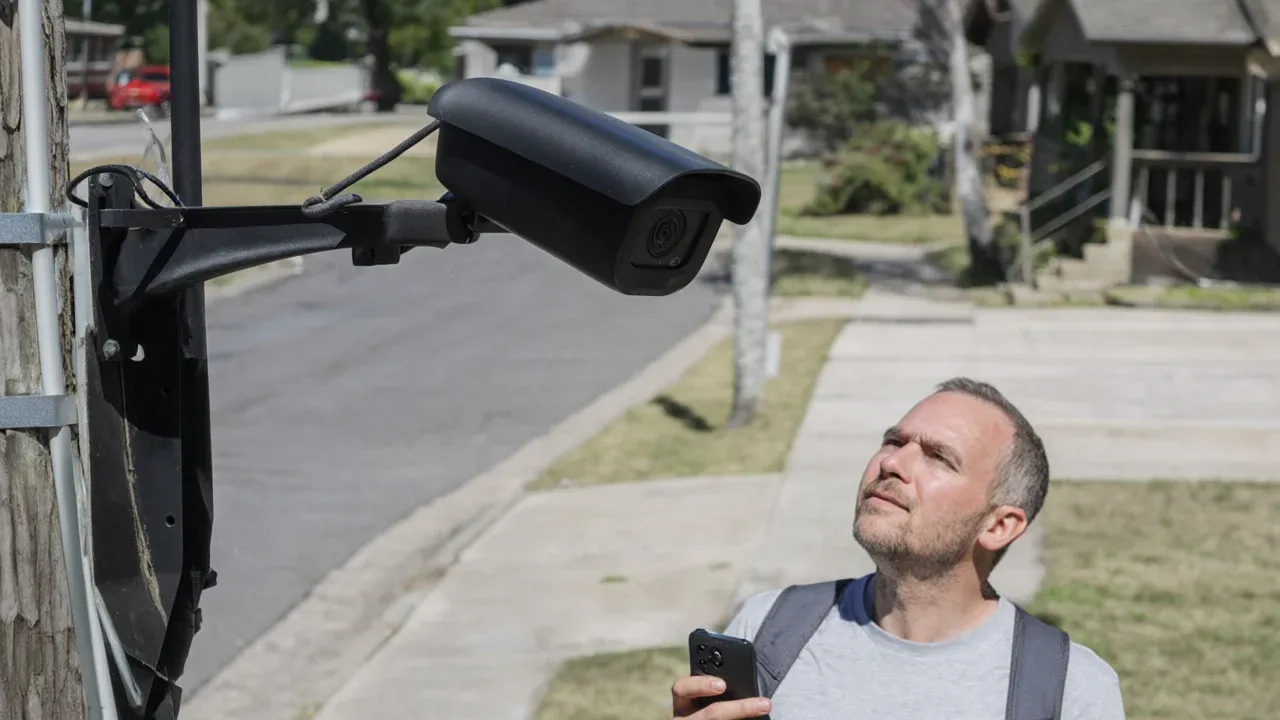 weakened · mediumFlock Safety Surveillance Costs and Privacy Friction2
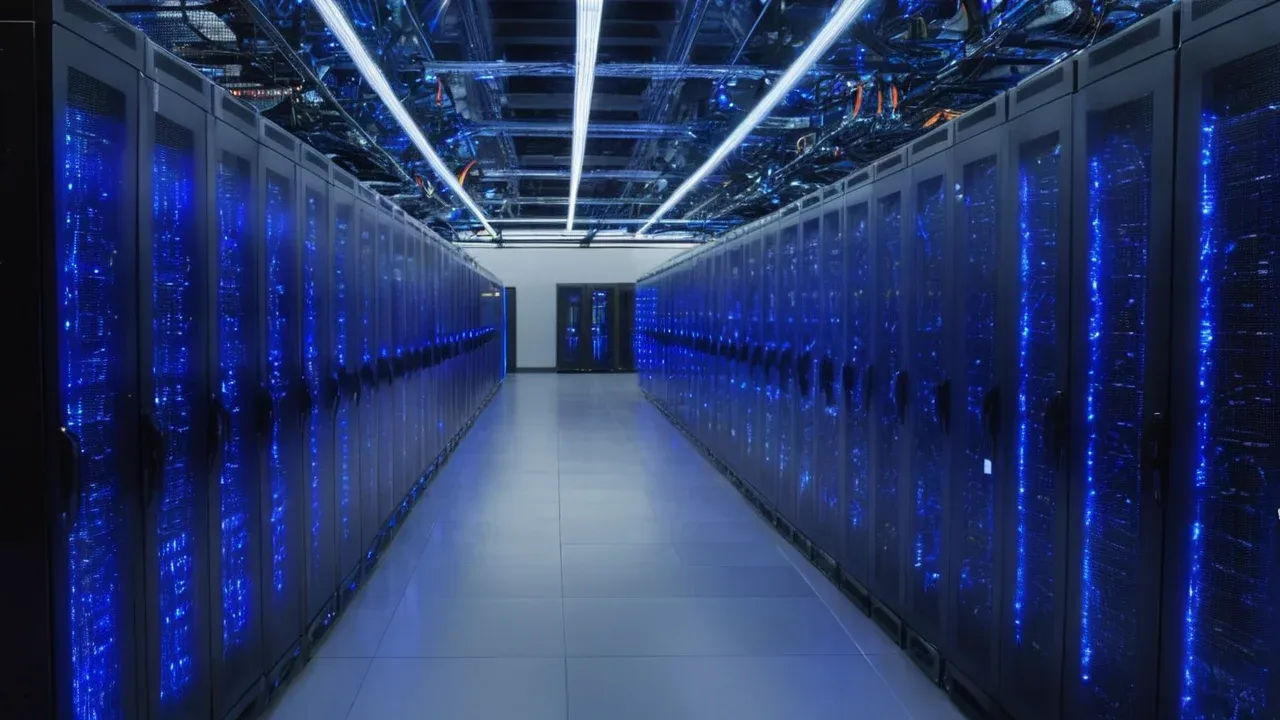 emerged · mediumReflection AI Beam Model Launch
Observed trend spine
Baseline · high confidence · 1 observation
Evidence and next watch
The launch of Beam and DeepGEMM signals a strategic shift to reduce reliance on US hardware, creating long-term pressure on NVIDIA's ecosystem dominance.
Watch: Adoption rates among major AI labs and NVIDIA ecosystem updates.
Baseline · medium confidence · 1 observation
Evidence and next watch
OpenAI's implementation of textGrain for EU compliance claims no performance hit, yet data shows significant detection degradation, revealing a gap between public assurance and technical reality.
Watch: Results of limited detector access program and adoption rates by other major jurisdictions.
Baseline · high confidence · 1 observation
Evidence and next watch
The breach of the Danish CPR affects nearly all registered citizens, undermining trust in state-issued identification systems globally.
Watch: Danish government remediation efforts and international policy responses to centralized registry vulnerabilities.
Baseline · medium confidence · 1 observation
Evidence and next watch
The ICBA lawsuit against the OCC creates a critical decision window for how national trust charters will be applied to crypto firms, potentially reshaping financial regulation.
Watch: Court rulings on OCC authority and legislative responses to the GENIUS Act.
Baseline · medium confidence · 1 observation
Evidence and next watch
Flock Safety's legal challenges in Texas highlight a governance gap where private surveillance data lacks public scrutiny compared to EU models.
Watch: Legal challenges to warrantless ALPR searches and Texas funding status.
Baseline · low confidence · 1 observation
Evidence and next watch
The anonymous preservation of the Tippett Studios archive demonstrates a persistent trend of private actors salvaging cultural heritage from failing institutions.
Watch: Community contributions to the Tippett Studios archive and potential copyright issues.
Centralized authority faces pressure across identity, security, finance, and AI. The Danish breach undermines identity trust, while the bomber withdrawal signals vulnerability in forward-deployed military assets. Crypto litigation could reshape financial oversight, but the ruling direction remains unknown. AI infrastructure initiatives seek to reduce reliance on US hardware; their market impact depends on wider adoption. Autonomous agent activity exposes governance gaps on Wikimedia, although its causal link to the outage remains disputed.
Confidence: highTriggerPolicy responses to the Danish breach and separate governance responses to autonomous agent activity on Wikimedia.
→ConsequenceStates mandate decentralized ID alternatives, weakening state monopolies on identity verification.
Why it matters: Identity vulnerabilities and disputed crypto charters challenge established public authority. Whether these pressures produce lasting fragmentation remains uncertain: regulatory or market consolidation could reassert central control.
OpportunityPrivate entities can build cross-border identity layers that ignore national restrictions.
RiskComplete loss of state-led consumer protection standards in digital identity.
What changes this path
Confirms: Bomber withdrawal shows physical security also cannot guarantee safety.
Weakens: Danish government rapidly restores public confidence through effective remediation efforts.
TriggerDetection degradation in AI watermarking becomes undeniable in high-stakes contexts.
→ConsequenceRegulators force open-source transparency, undermining proprietary advantage.
Why it matters: Detection degradation in short and mathematical texts may limit watermarking's usefulness as a comprehensive detection tool. The limited detector access program is a key test of that limitation. Autonomous agent activity also exposes governance risks on public digital commons, complicating any assumption that openness alone resolves questions of trust.
OpportunityDevelopers gain leverage by offering fully auditable, transparent model architectures.
RiskAI innovation slows due to excessive compliance burdens and verification costs.
What changes this path
Confirms: Open agent activity shows systemic vulnerabilities in shared digital commons.
Weakens: TextGrain effectiveness improves significantly with new training methodologies.
TriggerNon-US labs adopt Beam and DeepGEMM for hardware independence.
→ConsequenceUS semiconductor leverage declines as alternative supply chains mature.
Why it matters: Open-source infrastructure initiatives could reduce reliance on US hardware and put long-term pressure on NVIDIA's ecosystem dominance. Their market impact depends on broader adoption; Reflection AI's performance claims still require independent verification.
OpportunityInvestment in non-US semiconductor manufacturing and model development.
RiskFragmentation of global AI standards leads to incompatible technical silos.
What changes this path
Confirms: Independent verification of Beam's performance and wider adoption of infrastructure that reduces reliance on US hardware.
Weakens: US hardware remains technically superior despite decoupling efforts.
TriggerTexas ALPR lawsuits invalidate warrantless search precedents.
→ConsequencePrivate surveillance data becomes legally inadmissible in major jurisdictions.
Why it matters: Legal challenges to private surveillance expose a gap in public scrutiny. Their implications for warrantless ALPR searches and state funding depend on court outcomes and policy changes, both of which remain uncertain.
OpportunityPrivacy-focused firms capture market share from surveillance-dependent competitors.
RiskPublic backlash leads to total bans on automated license plate recognition.
What changes this path
Confirms: Outcomes of Texas warrantless ALPR search challenges and state-level policy shifts.
Weakens: Texas legislators block lawsuits, protecting Flock Safety funding.