Listen to this article
Narrated by Charlotte · The Noble House
The Chokepoint Fracture
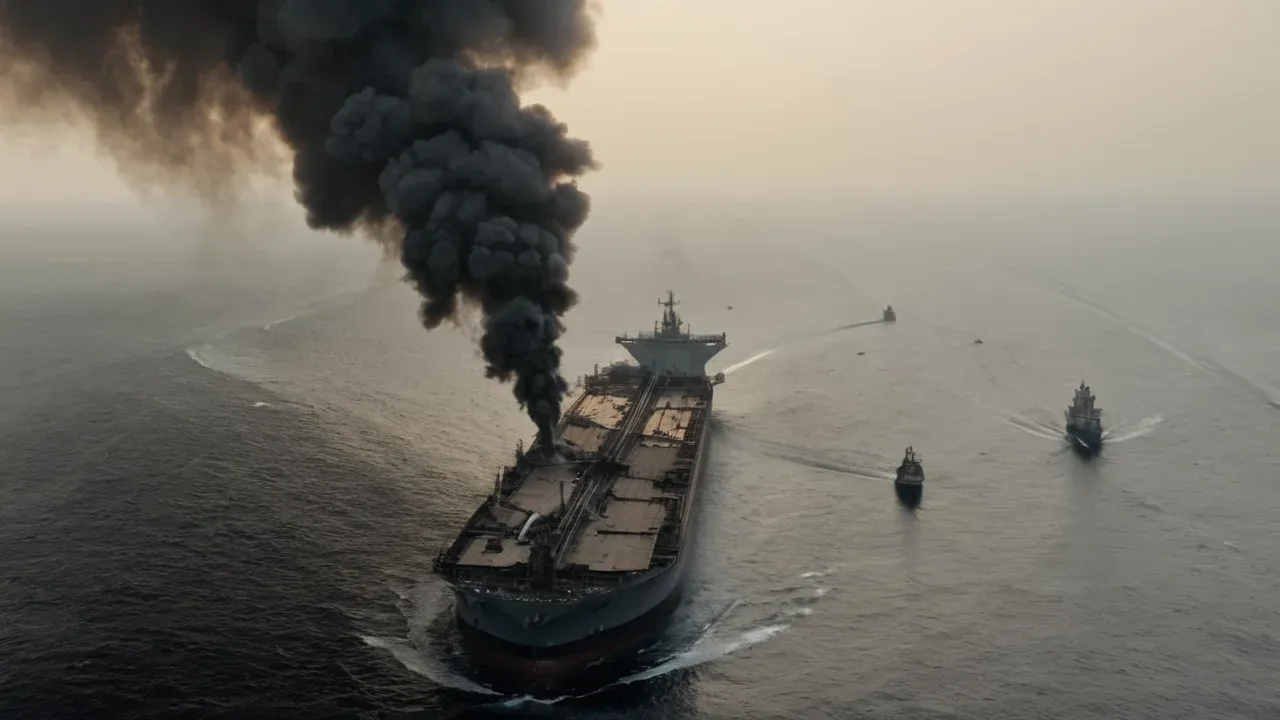
Micro-scene and Thesis The Strait of Hormuz, long considered a stable artery for global energy flows, has suddenly become a battlefield. On the evening of August 13, 2026, Abu Dhabi National Oil Company (ADNOC) confirmed that two of its vessels were struck while navigating this critical waterway [6]facebook.comTwo vessels belonging to Abu Dhabi National Oil Company (ADNOC) were attacked while transiting the Strait of Hormuz on Thursday evening, ...Open the source to inspect the supporting evidence.Open source ↗. The drone attacks resulted in no injuries, and the company reported that the immediate situation was brought under control [5]youtube.comThe Abu Dhabi National Oil Company (ADNOC) reported that two of its vessels were attacked while transiting the Strait of Hormuz, with no injuries reported and the situation under cOpen the source to inspect the supporting evidence.Open source ↗. This incident marks a definitive break from the assumption that the strait remains safe for free navigation, initiating a global economic shock that is rapidly depleting strategic reserves and forcing a rewrite of international energy security protocols.
Stakes and Mechanism The UAE government immediately blamed Iran for the attacks, condemning them as a direct threat to global energy stability [1]aljazeera.comUAE accuses Iran of attacks on two ADNOC vessels in Strait of HormuzOpen the source to inspect the supporting evidence.Open source ↗. This event was not an isolated act of piracy but part of a broader, intensifying campaign against United Arab Emirates energy infrastructure. The confirmation that ADNOC tankers were hit by drones highlights the asymmetric nature of the conflict, where accessible technology allows actors to disrupt state-level economic interests [2]gate.comIRGC Attacks ADNOC Vessel in Strait of Hormuz on August 8, 2026Open the source to inspect the supporting evidence.Open source ↗. Because the attacks occurred in the Strait of Hormuz, a chokepoint handling a substantial portion of the world's oil transit, the strategic significance is amplified [1]aljazeera.comUAE accuses Iran of attacks on two ADNOC vessels in Strait of HormuzOpen the source to inspect the supporting evidence.Open source ↗. The ability of attackers to penetrate the security perimeter of major national oil companies in such a congested area signals a degradation of maritime security protocols. The specific timing of the attack on Thursday evening, as reported by the Abu Dhabi National Oil Company, underscores the vulnerability of commercial shipping to sudden hostile actions [8]reuters.comAbu Dhabi National Oil Company said two of its vessels were attacked while transiting the Strait of Hormuz on Thursday evening, ...Open the source to inspect the supporting evidence.Open source ↗.
Steelman Counterargument Critics might argue that these attacks are isolated incidents of piracy or tactical provocations rather than a systemic breakdown of the global order. Some suggest that the international community, particularly the United States, has the capacity to quickly contain such disruptions without long-term economic damage. They point to the historical resilience of global markets and the availability of strategic petroleum reserves as buffers against temporary shocks. Furthermore, they may assert that the UAE and its allies possess sufficient defensive capabilities to prevent further incidents, thereby limiting the scope of the crisis to a localized maritime dispute rather than a global economic emergency.
Turn and Rebuttal This perspective ignores the structural fragility of current energy supply chains and the deliberate strategic intent behind the attacks. Targeting national oil company assets demonstrates a strategy to inflict economic pain on the United Arab Emirates while testing international maritime norms. The attacks serve as a warning to other regional actors regarding the costs of aligning with Western powers, effectively weaponizing the energy supply chain for geopolitical leverage. The degradation of security protocols is not a temporary lapse but a calculated exploitation of vulnerability, indicating that the status quo of free navigation is no longer guaranteed by military presence alone.
Compass Predictive Analytics
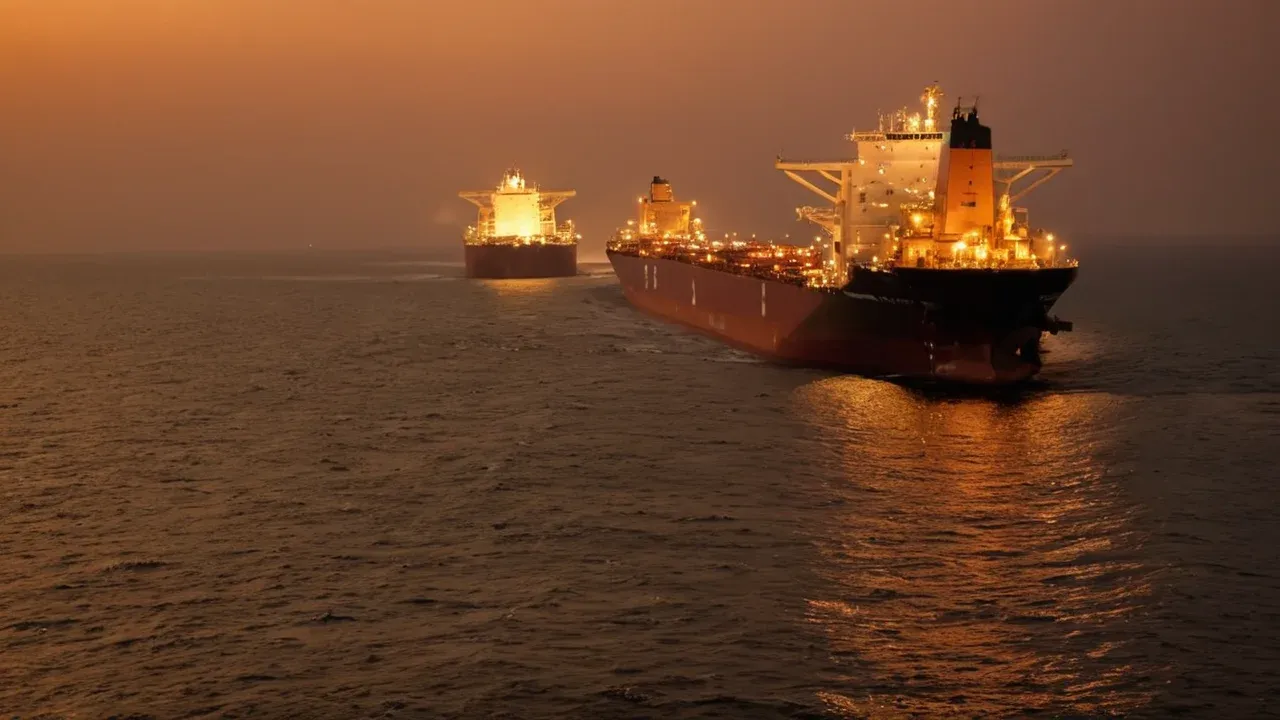
Economic Shock and Reserve Depletion
Mechanism of Disruption The attacks on ADNOC vessels have created a severe bottleneck in the Strait of Hormuz, forcing global markets to draw down strategic oil reserves at an alarming rate. Transit through the strait slowed significantly, appearing to grind to a near standstill on Friday, August 14, 2026, following the attacks [3]informedclearly.comStrait of Hormuz Shock: 95% Shipping Collapse Reshapes Global Economy in 2026Open the source to inspect the supporting evidence.Open source ↗. This logistical paralysis has triggered a panic-driven response in global commodity markets, where the world is actively burning through oil stockpiles in response to the traffic slowdown and supply chain disruptions [4]theboard.worldStrait of Hormuz Crisis 2026: Full AnalysisOpen the source to inspect the supporting evidence.Open source ↗. The narrative of the world burning oil stockpiles indicates that current reserves may not be sufficient to fully offset the disruption, pointing to potential future price shocks if the traffic slowdown persists.
Exhibits of Economic Impact The disruption of flow through this narrow channel has already sent shockwaves through the global economy, with Brent crude prices surging past $126 per barrel in the wake of similar closures in previous periods of crisis [3]informedclearly.comStrait of Hormuz Shock: 95% Shipping Collapse Reshapes Global Economy in 2026Open the source to inspect the supporting evidence.Open source ↗. The Dallas Fed has projected a 2.9 percentage point GDP hit for Q2 2026, reflecting the deep integration of the global economy with the stable flow of Persian Gulf energy [3]informedclearly.comStrait of Hormuz Shock: 95% Shipping Collapse Reshapes Global Economy in 2026Open the source to inspect the supporting evidence.Open source ↗. The current slowdown constitutes a structural stress test for the resilience of global supply chains, revealing how tightly coupled modern economies are to uninterrupted maritime logistics. As the bottleneck tightens, the cost of insurance for maritime transit increases, further discouraging commercial shipping and exacerbating the scarcity of available tonnage.
Implication of Reserve Depletion Reliance on strategic petroleum reserves, while effective in the short term, is a finite buffer that cannot sustain global demand indefinitely if the chokepoint remains closed or heavily restricted. The burning of these stockpiles is a clear indicator that the market is pricing in a prolonged disruption, anticipating that the status quo of free navigation will not be restored quickly. The traffic remaining low, as noted in reports from August 13, 2026, suggests that the panic is not yet abating and that commercial operators are waiting for clearer signals of security before resuming normal transit volumes [9]cnn.comAugust 13, 2026 — Strait of Hormuz traffic remains low as world burns through oil stockpiles | CNN Watch Listen Subscribe Listen Watch Follow CNN Download the CNN App Download theOpen the source to inspect the supporting evidence.Open source ↗. This hesitation creates a feedback loop of uncertainty, where reduced traffic leads to higher prices, which in turn further discourages trade, deepening the economic shock.
Compass Predictive Analytics
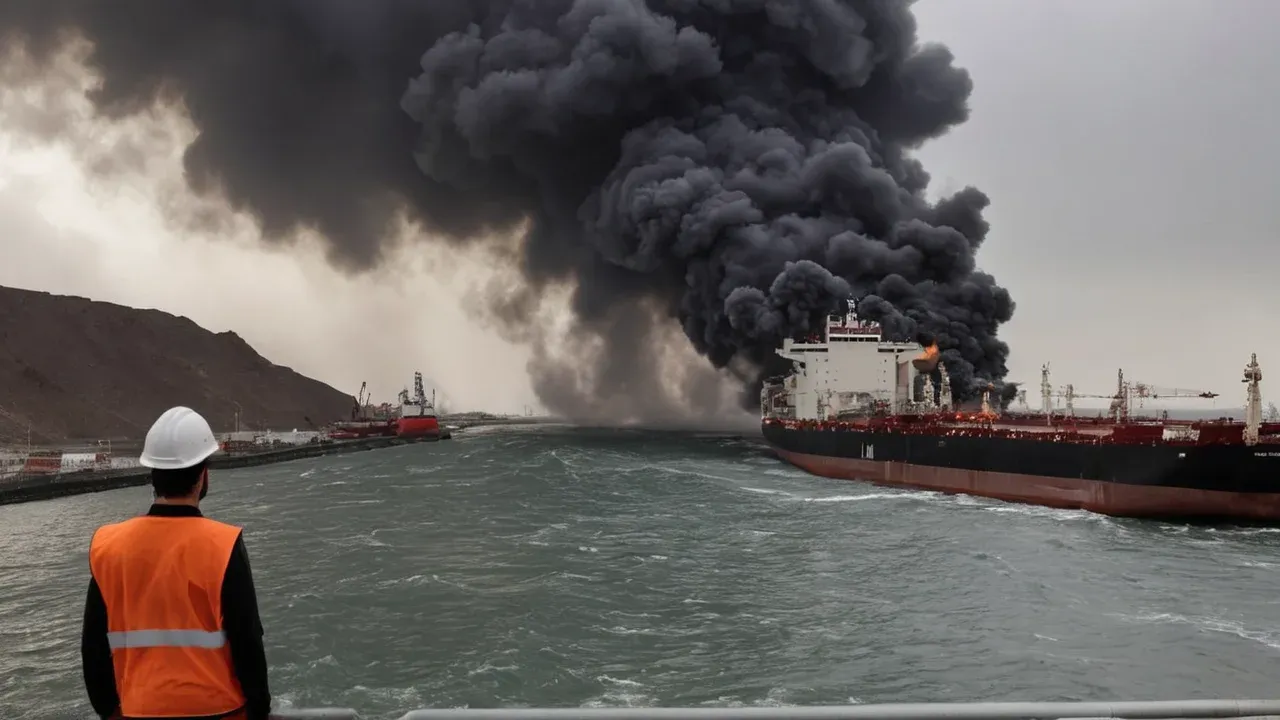
Geopolitical Escalation and Naval Posturing
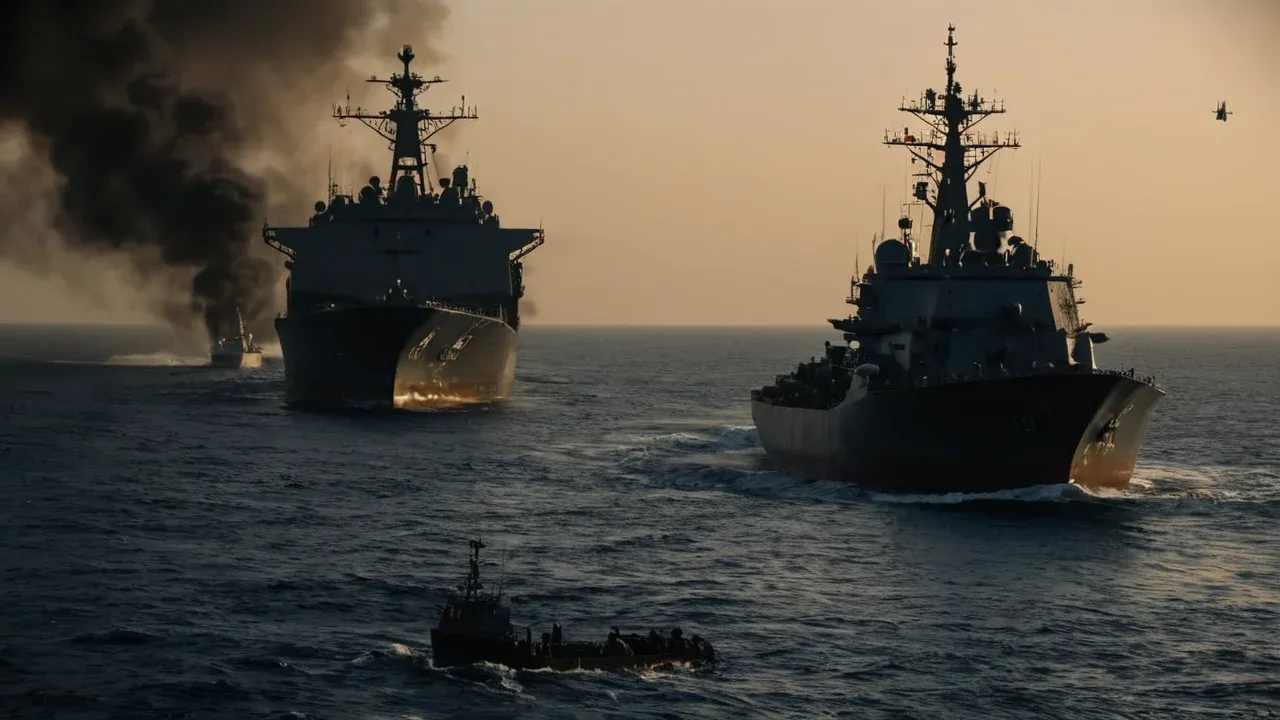
US Strategy and Deterrence The United States has responded to the escalating tensions with a dual strategy of economic pressure and naval deterrence. The United States warned Iran it would step up economic pressure, while also stating it could maintain a naval blockade of Iran indefinitely [3]informedclearly.comStrait of Hormuz Shock: 95% Shipping Collapse Reshapes Global Economy in 2026Open the source to inspect the supporting evidence.Open source ↗. This stance by the US administration is leveraging economic pressure and naval presence in the region to signal resolve and attempt to de-escalate the immediate threat while preparing for a prolonged confrontation [3]informedclearly.comStrait of Hormuz Shock: 95% Shipping Collapse Reshapes Global Economy in 2026Open the source to inspect the supporting evidence.Open source ↗. The threat of an indefinite naval blockade represents a significant escalation in the US-Iran conflict dynamics, moving beyond diplomatic condemnation to the potential enforcement of a maritime quarantine.
Strategic Risks and Confrontation Such a blockade would effectively cut off Iran from global maritime trade, further isolating the regime and increasing the economic cost of its aggressive actions. However, it also carries the risk of direct military confrontation, as Iranian forces may attempt to breach the blockade or retaliate against US naval assets. The US warning serves as a deterrent, aiming to prevent further attacks on international shipping by raising the stakes for Tehran. The presence of US naval forces in the region functions as a critical component of the strategy to protect the flow of energy to global markets, moving beyond symbolic display to active enforcement. The interplay between economic sanctions and naval power creates a complex pressure environment for Iran, balancing the desire to maintain regime stability with the imperative to project strength against perceived adversaries.
Long-term Strategic Competition The indefinite nature of the potential blockade suggests that the US administration views the current crisis as part of a long-term strategic competition rather than an isolated incident of piracy or terrorism. This long-term view complicates diplomatic off-ramps, as the costs of de-escalation must outweigh the perceived benefits of continued aggression for Tehran to reconsider its tactics. The statement that the United States could maintain a naval blockade of Iran indefinitely, as reported in coverage from London and Panama City, underscores the seriousness of the American commitment to containing Iranian influence [7]usatoday.comET Hear this story London/Panama City — Transit through the Strait of Hormuz appeared to grind to a near standstill on Friday after two more ships were attacked there and the UniteOpen the source to inspect the supporting evidence.Open source ↗. This declaration shifts the conflict from a localized maritime incident to a broader theater of strategic competition, where the rules of engagement are being rewritten in real time.
Compass Predictive Analytics
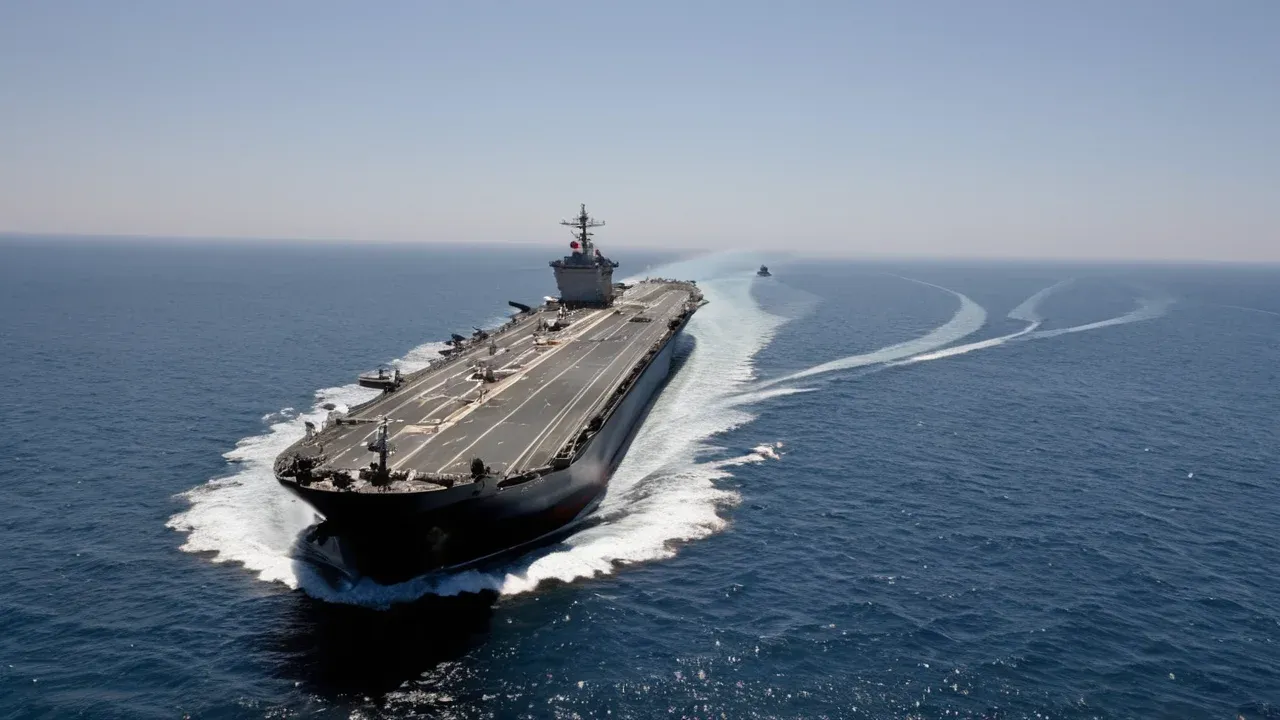
Strategic Implications and Future Trajectory
Direct Escalation and Precedent The attacks on ADNOC vessels represent a direct escalation in the ongoing tensions between the UAE/Iran and the US/Iran conflict dynamics, with profound implications for the future stability of the global energy order. The immediate consequence is a severe bottleneck in the Strait of Hormuz, forcing global markets to draw down strategic oil reserves. The US stance of indefinite naval blockade and increased economic pressure suggests a prolonged period of instability, which will likely sustain high oil prices and supply chain volatility. The "world burns oil stockpiles" narrative indicates that current reserves may not be sufficient to fully offset the disruption, pointing to potential future price shocks if the traffic slowdown persists. The historical context of the Strait of Hormuz crisis in 2026, where a closure cut oil supply by 20% and sent prices up 64%, serves as a grim precedent for the current situation [3]informedclearly.comStrait of Hormuz Shock: 95% Shipping Collapse Reshapes Global Economy in 2026Open the source to inspect the supporting evidence.Open source ↗.
Strategic Gambits and Defense Gaps The analysis of the 2026 Strait of Hormuz crisis highlights the military operations, oil supply disruption, economic impact, and strategic outlook that define this era of conflict [4]theboard.worldStrait of Hormuz Crisis 2026: Full AnalysisOpen the source to inspect the supporting evidence.Open source ↗. The attacks on ADNOC vessels operate as strategic gambits aimed at destabilizing the global economy and forcing a retreat of Western influence from the region, rather than serving as mere tactical successes for Iranian adversaries. The inability of the current security architecture to prevent these attacks in such a heavily monitored waterway reveals gaps in maritime defense capabilities that adversaries are actively exploiting. The global response to these attacks will determine the future trajectory of energy security policy.
Future Trajectory and Energy Security A failure to restore free navigation quickly will accelerate the shift away from fossil fuels dependent on Persian Gulf transit, driving investment in alternative energy sources and supply routes. Conversely, a successful military or diplomatic resolution that restores the status quo may only delay the next escalation, as the underlying grievances and strategic objectives remain unresolved. The world is currently navigating a precarious balance between managing the immediate economic shock and addressing the long-term strategic threat posed by the weaponization of the Strait of Hormuz. The burning of oil stockpiles is a temporary relief valve, but the pressure building within the system continues to rise. The decisive factor in the coming weeks will be whether the international community can collectively enforce the norms of free navigation or whether the Strait of Hormuz will become a permanent zone of conflict, reshaping the global energy landscape for decades to come. The current trajectory points toward a fragmented energy order, where security of supply is prioritized over market efficiency, and where the threat of chokepoint closure is a constant variable in global economic planning. The attacks on August 13, 2026, were not an endpoint but a turning point, marking the beginning of a new phase in the struggle for control over the world's most critical energy corridor. The consequences of this shift will be felt in every economy, from the fuel pumps of consumer vehicles to the industrial engines of global manufacturing, as the world adapts to a reality where the Strait of Hormuz is no longer a guarantee of stability but a source of perpetual risk. The decisive outcome will depend on the willingness of major powers to commit to the costly and dangerous task of securing the waterway, and the resolve of Iran to continue its campaign of disruption despite the escalating costs. The world burns oil stockpiles today, but it must build new foundations for energy security tomorrow, lest it find itself trapped in a cycle of scarcity and conflict that defines the latter half of the 2020s. The strategic implication is clear: the era of unimpeded global trade through the Strait of Hormuz is over, replaced by a new reality where energy security is synonymous with military readiness.
Compass Predictive Analytics