Listen to this article
Narrated by Charlotte · The Noble House

On October 8, 2026, SpaceX announced a definitive agreement to acquire Grain Management’s nationwide 800 MHz spectrum portfolio, a move that transforms Starlink Mobile from a supplemental satellite service into a potential standalone terrestrial carrier [1]arstechnica.comStarlink spectrum deal boosts Musk plan to beat AT&T, T-Mobile, and VerizonT-Mobile had obtained the spectrum when it bought Sprint in 2020 and was required to sell the licenses under a merger condition imposed by the US government. "This prime low-band spectrum addresses one of the key remaining technical gaps…Open source ↗[6]satnews.comSpaceX Acquires Grain Management’s 800 MHz Spectrum Portfolio to Launch Standalone Starlink Mobile CarrierOn October 8, 2026, satellite network operator SpaceX announced a definitive agreement to acquire the nationwide 800 MHz low-band spectrum portfolio held by digital infrastructure investment firm Grain Management.Open source ↗. SpaceX says the low-band airwaves address one of the key remaining technical gaps for indoor coverage as it seeks to compete with AT&T, Verizon, and T-Mobile. While the deal signals an aggressive pivot toward direct consumer competition, significant regulatory approvals, massive capital expenditures, and infrastructure buildout hurdles remain before viable service reaches consumers. Investors reacted swiftly, selling telecom stocks while SpaceX shares rose on expectations of a new, well-funded entrant [4]finance.yahoo.comSpaceX buys 800 MHz spectrum to launch Starlink Mobile carrierThe transaction with SpaceX aligns with an FCC order from July 2026 that approved Grain's acquisition from T-Mobile and established a competitive selection process and a conditional pathway for direct-to-device deployment.Open source ↗[8]techaeris.comThe Elon Musk-controlled company agreed to purchase a nationwide low-band spectrum portfolio from investment firm Grain ManagementThe Elon Musk-controlled company agreed to purchase a nationwide low-band spectrum portfolio from investment firm Grain Management, adding the frequencies it calls the final missing piece of its mobile puzzle.Open source ↗.
Spectrum Acquisition and Technical Specifications
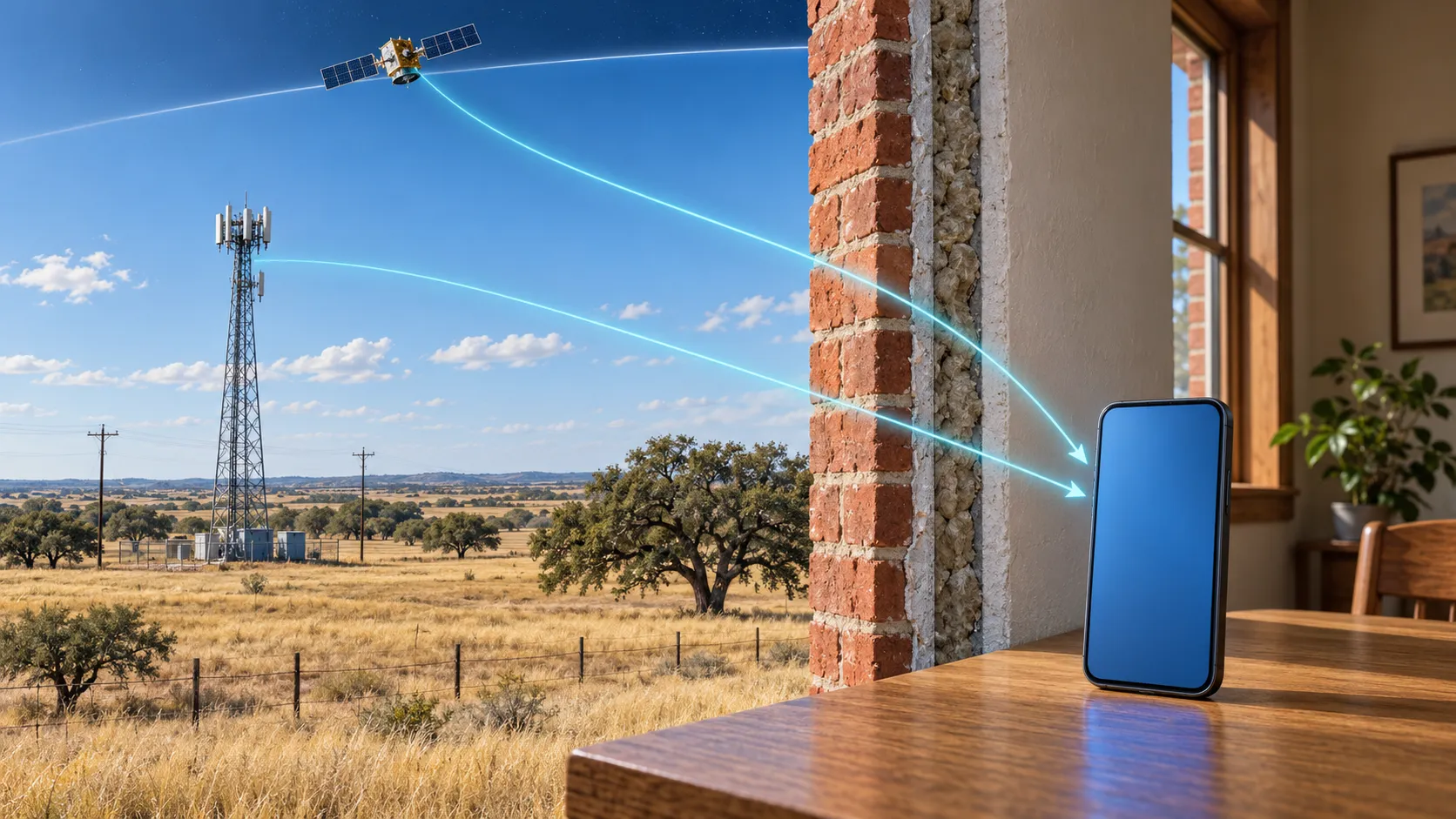
The definitive agreement between SpaceX and Grain Management secures up to 14 megahertz of paired low-band spectrum in the 800 MHz band, a frequency range chosen for its superior propagation characteristics [2]theregister.comSpaceX to buy key spectrum that could help Starlink Mobile become major US cell carrierThe rocket-flinging operation says it cut a deal to acquire a nationwide low-band spectrum license portfolio of up to 14 megahertz of paired spectrum in the 800 MHz band, which will pave the way for Starlink Mobile to become a major…Open source ↗[6]. Unlike mid-band or high-band millimeter-wave frequencies that suffer severe attenuation when encountering structural barriers, 800 MHz signals travel farther and penetrate concrete walls, energy-efficient glass, and dense urban materials effectively [9]gadgetreview.comSpaceX Spectrum Deal Puts Starlink in Carrier TerritorySpaceX secured 14 MHz of 800 MHz low-band licenses from Grain Management, but FCC approval and nationwide buildout remain ahead.Open source ↗. SpaceX describes this spectrum as addressing the "key remaining technical gaps" required for indoor coverage, complementing its existing global 2 GHz mid-band spectrum which provides high-bandwidth capacity in open conditions [1][3]. By integrating these frequencies into its orbital payloads alongside ground-based infrastructure, Starlink Mobile aims to establish stable communication channels with standard cell phones inside residential and commercial buildings without requiring external antenna hardware [6].
The spectrum portfolio has a complex regulatory lineage that traces back to legacy terrestrial deployments. The licenses were originally part of Sprint’s assets before transferring to T-Mobile US following their 2020 merger, but T-Mobile was required to divest them under conditions imposed by the U.S. government [1]. Grain Management acquired the nationwide portfolio from T-Mobile in August 2026 through an asset swap involving $2.9 billion in cash and Grain’s own 600 MHz spectrum holdings [4]finance.yahoo.comSpaceX buys 800 MHz spectrum to launch Starlink Mobile carrierThe transaction with SpaceX aligns with an FCC order from July 2026 that approved Grain's acquisition from T-Mobile and established a competitive selection process and a conditional pathway for direct-to-device deployment.Open source ↗[7]coincentral.comSpaceX agreed to buy Grain Management’s nationwide 800 MHz spectrum portfolio to grow its Starlink Mobile businessSpaceX agreed to buy Grain Management’s nationwide 800 MHz spectrum portfolio to grow its Starlink Mobile business.Open source ↗. The Federal Communications Commission approved Grain’s acquisition in July 2026, noting that the licenses cover approximately 100 percent of the U.S. population and establishing a conditional pathway for direct-to-device deployment [4]. This transaction is distinct from SpaceX’s earlier $17 billion purchase of 65 MHz of mid-band spectrum from EchoStar, representing a strategic expansion into owned low-band assets rather than leased capacity [6].
Compass Predictive Analytics
Compass Predictive Analytics
Regulatory Landscape and Deployment Challenges
The spectrum deal remains subject to Federal Communications Commission approval and customary closing conditions before SpaceX can utilize the frequencies for commercial service [4][6]. Regulators will evaluate the transfer under public interest standards, focusing on spectrum concentration thresholds and competitive market dynamics. The Rural Wireless Association opposed EchoStar's earlier spectrum sales to AT&T and SpaceX, saying the deals "continue the troubling pattern of spectrum aggregation that disadvantages rural wireless providers." Ars Technica nonetheless judges the Grain deal likely to be approved by the FCC, though it could face opposition from small carriers [1]. Despite these potential hurdles, analysts say low-band spectrum requires fewer cell towers than higher-frequency options, which could make the rollout cheaper [7].
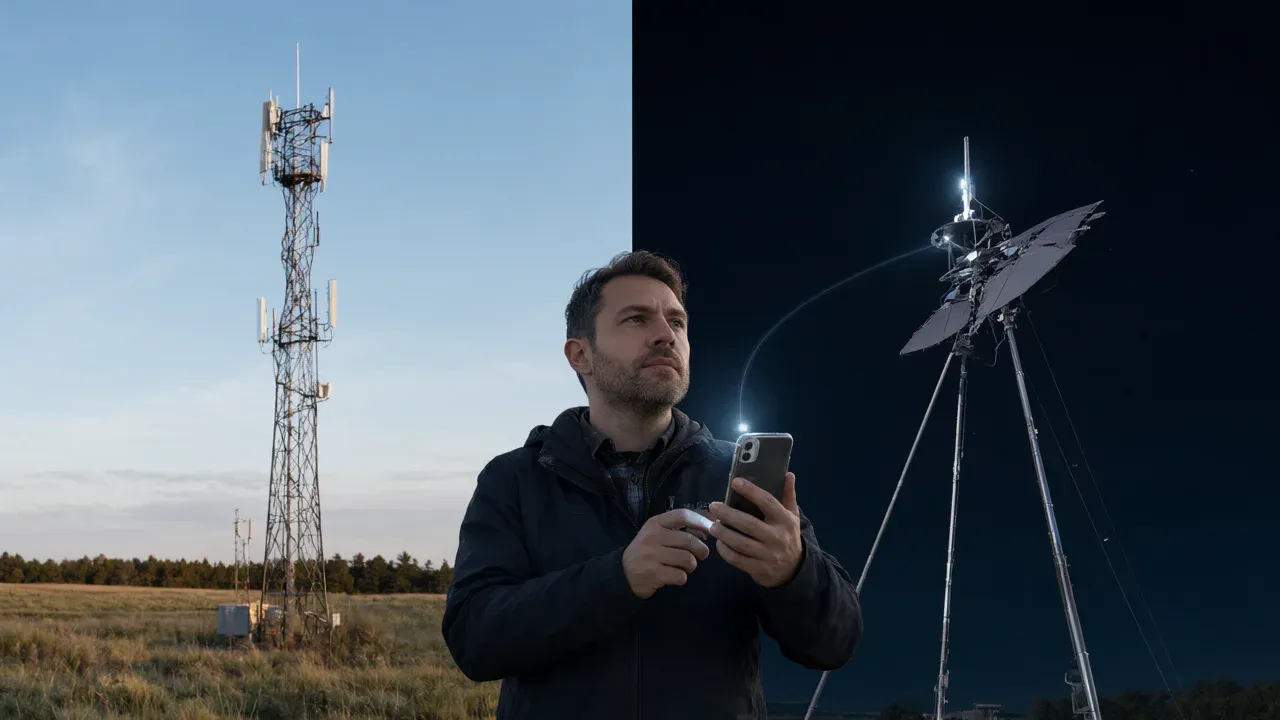
SpaceX plans to deploy a hybrid network combining its satellite constellation with ground-based infrastructure, including cell towers and small cells. CEO Elon Musk stated that Starlink would deploy many small base stations instead of "expensive and difficult-to-locate large cellular base stations," utilizing broadband antennas on rooftops to provide connectivity [1]. The company has received FCC approval to launch 15,000 next-generation satellites optimized for 2 GHz spectrum, which it claims will deliver more than 100 times the bandwidth of its current generation [1][3]. However, the deployment of these satellites and the associated ground infrastructure represents a massive capital expenditure. Bernstein estimates that a full network buildout could cost between $50 billion and $130 billion, requiring between 30,000 and 120,000 tower locations [7].
Local zoning, power, and labor regulations limit the number of new towers that can be built annually in the United States to approximately 1,200 to 2,000 structures [7]. Consequently, SpaceX would likely need to lease space from existing tower companies such as Crown Castle, American Tower, and SBA Communications rather than building everything from scratch [7]. These tower stocks rose in extended trading following the announcement, reflecting investor expectations of increased demand for leasing space [7]. The timeline for commercial service remains unclear: one report expects a 2027 launch, while SpaceX has not announced a date for the expanded network [7][10]consumeraffairs.comStarlink looks to disrupt the mobile wireless business with major spectrum dealSpaceX has agreed to buy nationwide wireless spectrum that could help Starlink become a major U.S. mobile carrier, directly impacting the stock prices of AT&T, Verizon, and T-Mobile.Open source ↗.
Compass Predictive Analytics
Compass Predictive Analytics

Market Reaction and Competitive Dynamics
The announcement triggered immediate volatility in the telecommunications sector. Shares of AT&T, Verizon, and T-Mobile dropped significantly in after-hours trading, reflecting investor concern about long-term competitive pressure from a well-funded orbital entrant [4][8]. SpaceX shares rose, while AT&T, Verizon, and T-Mobile fell by roughly 3% to 7% in after-hours trading, depending on the report [4]finance.yahoo.comSpaceX buys 800 MHz spectrum to launch Starlink Mobile carrierThe transaction with SpaceX aligns with an FCC order from July 2026 that approved Grain's acquisition from T-Mobile and established a competitive selection process and a conditional pathway for direct-to-device deployment.Open source ↗[7]coincentral.comSpaceX agreed to buy Grain Management’s nationwide 800 MHz spectrum portfolio to grow its Starlink Mobile businessSpaceX agreed to buy Grain Management’s nationwide 800 MHz spectrum portfolio to grow its Starlink Mobile business.Open source ↗[8]techaeris.comThe Elon Musk-controlled company agreed to purchase a nationwide low-band spectrum portfolio from investment firm Grain ManagementThe Elon Musk-controlled company agreed to purchase a nationwide low-band spectrum portfolio from investment firm Grain Management, adding the frequencies it calls the final missing piece of its mobile puzzle.Open source ↗. The market reaction underscores investor concern about the competitive threat Starlink Mobile could pose to U.S. wireless incumbents [8]techaeris.comThe Elon Musk-controlled company agreed to purchase a nationwide low-band spectrum portfolio from investment firm Grain ManagementThe Elon Musk-controlled company agreed to purchase a nationwide low-band spectrum portfolio from investment firm Grain Management, adding the frequencies it calls the final missing piece of its mobile puzzle.Open source ↗.
In response to SpaceX’s aggressive expansion, AT&T, T-Mobile, and Verizon finalized a joint venture agreement focused on using satellite technology to cover dead zones in their terrestrial networks [1]. This collaboration aims to improve the application of valuable spectrum resources and establish industry-wide device compatibility through a standards-based approach [1]. The big three carriers stated that existing carrier-satellite agreements would remain in place, allowing them to continue connectivity efforts independently while pooling resources to counter new entrants [1]. Dish Network previously declined an option to buy the 800 MHz spectrum from T-Mobile under a Department of Justice merger condition, forcing T-Mobile to find a new buyer [1].
SpaceX’s strategy involves transitioning from a satellite internet provider to a facilities-based wireless operator capable of delivering indoor cellular coverage directly to unmodified consumer smartphones [6]. The company has outlined plans to build a terrestrial mobile network on top of its satellite internet service, with President and Chief Operating Officer Gwynne Shotwell stating an intention to attract customers away from major carriers [4]. SpaceX previously focused on partnering with carriers to provide satellite coverage for dead spots in their networks, but this spectrum acquisition signals a shift toward direct competition [1]. The company’s Starlink Mobile division aims to become the first network operator to deploy both satellite and terrestrial spectrum, providing reliable service indoors, outdoors, and in cellular dead zones [3].
Compass Predictive Analytics
Compass Predictive Analytics
Strategic Implications and Future Outlook
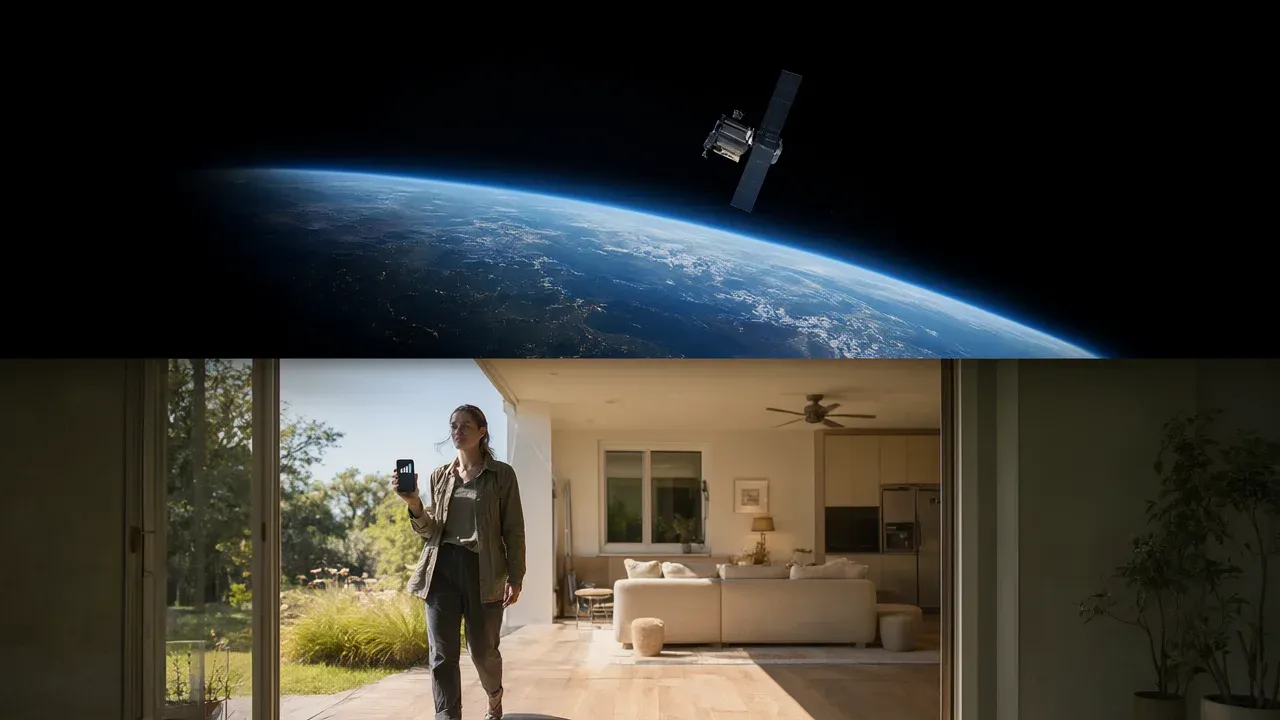
The acquisition of 800 MHz low-band spectrum addresses a core operational limitation for direct-to-device satellite networks: maintaining link margin indoors. SpaceX says the low-band spectrum will let Starlink Mobile's signal reach devices inside buildings, though the announcement does not establish how well the finished network will perform in individual homes or workplaces [3]satellitetoday.comSpaceX Moves to Acquire Nationwide Low-Band Spectrum for Starlink MobileSpaceX announced a deal Thursday afternoon to acquire nationwide, low-band spectrum from Grain Management to improve service for Starlink Mobile and enable the service to operate indoors.Open source ↗[10]consumeraffairs.comStarlink looks to disrupt the mobile wireless business with major spectrum dealSpaceX has agreed to buy nationwide wireless spectrum that could help Starlink become a major U.S. mobile carrier, directly impacting the stock prices of AT&T, Verizon, and T-Mobile.Open source ↗. If realized, that would go beyond today's Starlink-powered T-Satellite service, which T-Mobile describes as offering texting and selected apps in most outdoor areas where users can see the sky [10]consumeraffairs.comStarlink looks to disrupt the mobile wireless business with major spectrum dealSpaceX has agreed to buy nationwide wireless spectrum that could help Starlink become a major U.S. mobile carrier, directly impacting the stock prices of AT&T, Verizon, and T-Mobile.Open source ↗. Satellite analyst Tim Farrar has described the 800 MHz allocation as "a very limited amount of spectrum" and warned that SpaceX would need an extensive ground tower network to deliver reliable indoor service in cities [5]eweek.comSpaceX Seeks 800 MHz Spectrum to Make Starlink Mobile a Major US CarrierSpaceX plans to combine Starlink satellites with ground-based infrastructure to create a terrestrial mobile network, targeting enterprise data layers and AI readiness challenges.Open source ↗.
However, owning spectrum does not guarantee successful network deployment or commercial viability. SpaceX must still secure FCC approval, build extensive ground infrastructure, and ensure device compatibility across the market [9]. Most existing mobile devices already support the 800 MHz band, which simplifies the hardware requirement for consumers [3][5]eweek.comSpaceX Seeks 800 MHz Spectrum to Make Starlink Mobile a Major US CarrierSpaceX plans to combine Starlink satellites with ground-based infrastructure to create a terrestrial mobile network, targeting enterprise data layers and AI readiness challenges.Open source ↗. Nevertheless, the company has not disclosed consumer pricing, supported device lists, or specific launch dates for the expanded network [10]. The practical benefit for consumers would be broader coverage and a new competitor in the wireless market, but these are potential outcomes rather than promised results [10].
The FCC is separately considering rule changes that could allow 482 MHz of spectrum to be used for satellite-to-mobile service, expanding the Supplemental Coverage from Space framework [1][9]. An additional 25 MHz of mid-band spectrum is also slated for auction for use in terrestrial and satellite networks [1]. These parallel regulatory developments will shape the competitive environment Starlink Mobile enters. While the spectrum deal provides SpaceX with a critical asset, the path to becoming a major U.S. mobile carrier involves navigating complex regulatory landscapes, massive capital requirements, and entrenched competition from established carriers. The market’s reaction indicates that investors view this as a significant threat, but the realization of Starlink Mobile’s potential depends on execution in an environment where uncertainty remains high. SpaceX has moved from supplementing existing networks to challenging them directly, but the transition from spectrum acquisition to service delivery is far from complete.
Compass Predictive Analytics
Compass Predictive Analytics