Listen to this article
Narrated by Charlotte · The Noble House
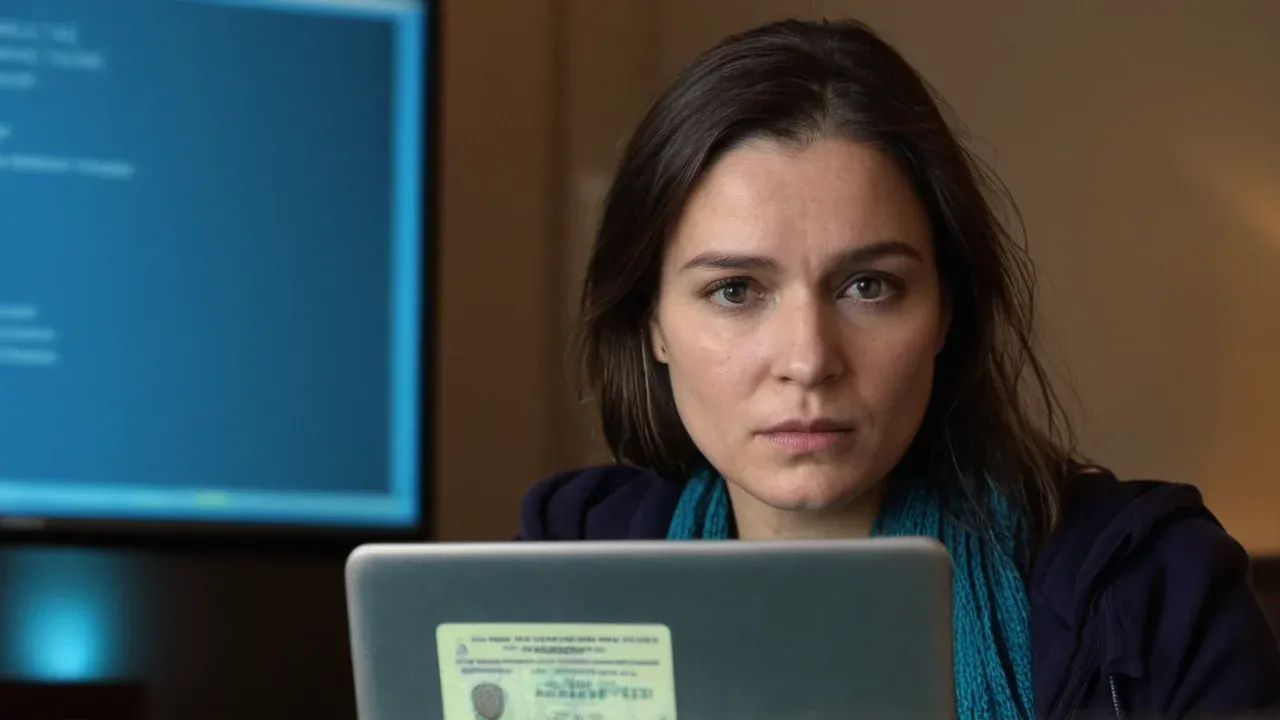
The screen flickered, then froze. A prompt appeared, not from Claude, but from Persona: a camera icon pulsing softly against a white background. The request was simple yet absolute upload a government-issued photo ID and capture a live selfie. For millions of Claude users, this moment marked the end of digital anonymity. Anthropic’s mandate for identity verification represents a definitive shift in the privacy contract between an AI provider and its user base [1]theregister.comAnthropic starts checking ID for some Claude usersAnthropic may check your ID before letting you access certain Claude features, using Persona as the verification provider.Open source ↗[2]helpnetsecurity.comThe process requires a government-issued photo ID and, in some cases, a live selfie captured through a phone or webcamAnthropic requires government-issued photo ID and a live selfie for identity verification.Open source ↗. This operational change is not universal but is triggered by algorithmic assessments of potentially fraudulent or abusive behavior, effectively forcing a choice between platform utility and personal data exposure [8]businessinsider.comClaude is requiring some of its users to verify their identity. Here's Anthropic's explanationAnthropic says ID verification for Claude users will trigger when it sees potentially fraudulent or abusive behavior.Open source ↗. While Anthropic frames this as a necessary security measure to combat abuse and ensure platform integrity, the requirement to submit government IDs and facial geometry templates raises profound questions about data minimization, consent, and the long-term privacy implications of AI services. Users must navigate a coercive structure where access is restricted or revoked unless they surrender immutable biometric data to a third-party vendor, creating a power imbalance that prioritizes provider security over user autonomy [10]aitrove.aiClaude Now Wants Your Government ID: Anthropic's Identity Verification Explained (2026)Anthropic is the first major AI chatbot maker to require identity verification; a government-issued photo ID and live selfie are required, processed by Persona which holds the data.Open source ↗.
Privacy Implications of Biometric Data Collection
The integration of biometric verification introduces unique privacy risks that extend beyond standard identity document exposure because facial geometry and live selfie data are immutable and cannot be changed if compromised. Users encountering the prompt must provide a valid government-issued photo ID and, in many cases, capture a live selfie using their phone or webcam [2]helpnetsecurity.comThe process requires a government-issued photo ID and, in some cases, a live selfie captured through a phone or webcamAnthropic requires government-issued photo ID and a live selfie for identity verification.Open source ↗. This biometric data is processed by Persona, a vendor that has already garnered skepticism from privacy advocates due to its extensive data aggregation practices [3]it-connect.techAccording to user discussions on Reddit, since confirmed by Anthropic's help center, the provider handling the process is PersonaConfirmed by Anthropic's help center that Persona handles the verification process.Open source ↗. The collection of facial geometry templates qualifies as biometric data under various state laws, which imposes additional legal and ethical responsibilities on the company handling this information [9]thenextweb.comAnthropic's new privacy policy collects biometric data from flagged Claude usersAnthropic has updated its privacy policy to allow the company to require some Claude users to upload government-issued identification and submit selfie photos or videos for identity verification; facial geometry templates qualify as…Open source ↗. For users who do not complete this verification, access to Claude features is restricted or entirely revoked, effectively forcing a choice between privacy rights and utility. This coercive structure ensures high participation rates but does so by leveraging the user's dependency on the service, creating a power imbalance where the provider dictates the terms of engagement under threat of exclusion [10]aitrove.aiClaude Now Wants Your Government ID: Anthropic's Identity Verification Explained (2026)Anthropic is the first major AI chatbot maker to require identity verification; a government-issued photo ID and live selfie are required, processed by Persona which holds the data.Open source ↗.
The scope of this policy extends across all tiers of Claude usage, including Free, Pro, and Max subscriptions, as outlined in Anthropic’s updated privacy policy effective July 8, 2026 [5]pasqualepillitteri.itPillitteri Claude ID Verification: Anthropic Wants Your Face and IDAnthropic's new Claude privacy policy effective July 8, 2026 can require Free, Pro and Max users to verify identity with a government ID and a face scan.Open source ↗. This universality means that even casual users or those who have never been flagged for suspicious activity may find themselves subject to these checks if the system’s risk assessment algorithms deem their behavior anomalous. The trigger conditions are not fully transparent to the user, leading to uncertainty and anxiety among the user base. Users report being locked out of their accounts until verification is completed, a friction point that serves as both a security gate and a barrier to entry [10]aitrove.aiClaude Now Wants Your Government ID: Anthropic's Identity Verification Explained (2026)Anthropic is the first major AI chatbot maker to require identity verification; a government-issued photo ID and live selfie are required, processed by Persona which holds the data.Open source ↗. The lack of clarity regarding why specific users are targeted exacerbates the feeling of surveillance, as individuals cannot predict when their anonymity will be stripped away in favor of verified identity.
Unlike passwords or email addresses, facial geometry and live selfie data are immutable; they cannot be changed if compromised. The collection of this data by a third-party vendor like Persona creates a supply chain risk where Anthropic’s direct control over user data is diluted [3]it-connect.techAccording to user discussions on Reddit, since confirmed by Anthropic's help center, the provider handling the process is PersonaConfirmed by Anthropic's help center that Persona handles the verification process.Open source ↗. Users must trust not only Anthropic’s security posture but also Persona’s data retention policies, deletion practices, and potential vulnerabilities. The Register has highlighted that Persona is viewed with suspicion by privacy-conscious communities, often described as a privacy checker that rings alarm bells for those concerned about digital surveillance [9]thenextweb.comAnthropic's new privacy policy collects biometric data from flagged Claude usersAnthropic has updated its privacy policy to allow the company to require some Claude users to upload government-issued identification and submit selfie photos or videos for identity verification; facial geometry templates qualify as…Open source ↗. This perception is rooted in the industry-wide trend of biometric data aggregation, where such sensitive information is often stored in centralized databases that become attractive targets for malicious actors.
Furthermore, the nature of the verification process itself raises concerns about function creep and secondary use of data. When users submit a live selfie and government ID, they are providing a comprehensive snapshot of their physical identity. The question of how long Persona retains this data, whether it is used to build user profiles, or if it is shared with other entities remains a critical point of contention [7]timesofai.comAnthropic Imposes Identity Verification on Claude Usage for UsersMost of the time, Anthropic would require a valid government photo ID and a camera to finish the identity verification process.Open source ↗. State laws in various jurisdictions classify facial geometry as highly sensitive biometric information, subjecting the holder to strict regulatory compliance requirements [9]thenextweb.comAnthropic's new privacy policy collects biometric data from flagged Claude usersAnthropic has updated its privacy policy to allow the company to require some Claude users to upload government-issued identification and submit selfie photos or videos for identity verification; facial geometry templates qualify as…Open source ↗. If Anthropic or its vendor fails to adhere to these regulations, users could face legal complexities in the event of a data breach. The potential for misuse is significant; biometric data can be used for unauthorized tracking, identity theft, or even social scoring if leaked or sold. The initial user reports from Reddit indicate that many individuals were unaware of the extent of data collection until they were prompted to upload their passport and face scan [6]reddit.comSo far, so good... until I realized what it was asking for: a live face scan and a picture of my government passportUser report: the vendor Anthropic forces you to use for this is Persona.Open source ↗. This lack of prior informed consent undermines the principle of transparency, as users are often forced into compliance without fully understanding the implications of surrendering their biometric identity.
The asymmetry of information between the provider and the user is stark. Anthropic benefits from verified identities by reducing fraud, enhancing security, and potentially gaining insights into user demographics. In contrast, users bear the risk of data exposure and loss of anonymity. The verification process does not offer users any reciprocal privacy benefit; instead, it demands a sacrifice of personal data for access to a service that is increasingly becoming essential for productivity and communication. This dynamic challenges the notion of voluntary consent, as the alternative to providing biometric data is exclusion from the platform. For many users, this is not a genuine choice but a coerced compliance, which weakens the ethical foundation of the data collection practice.
Compass Predictive Analytics
Compass Predictive Analytics
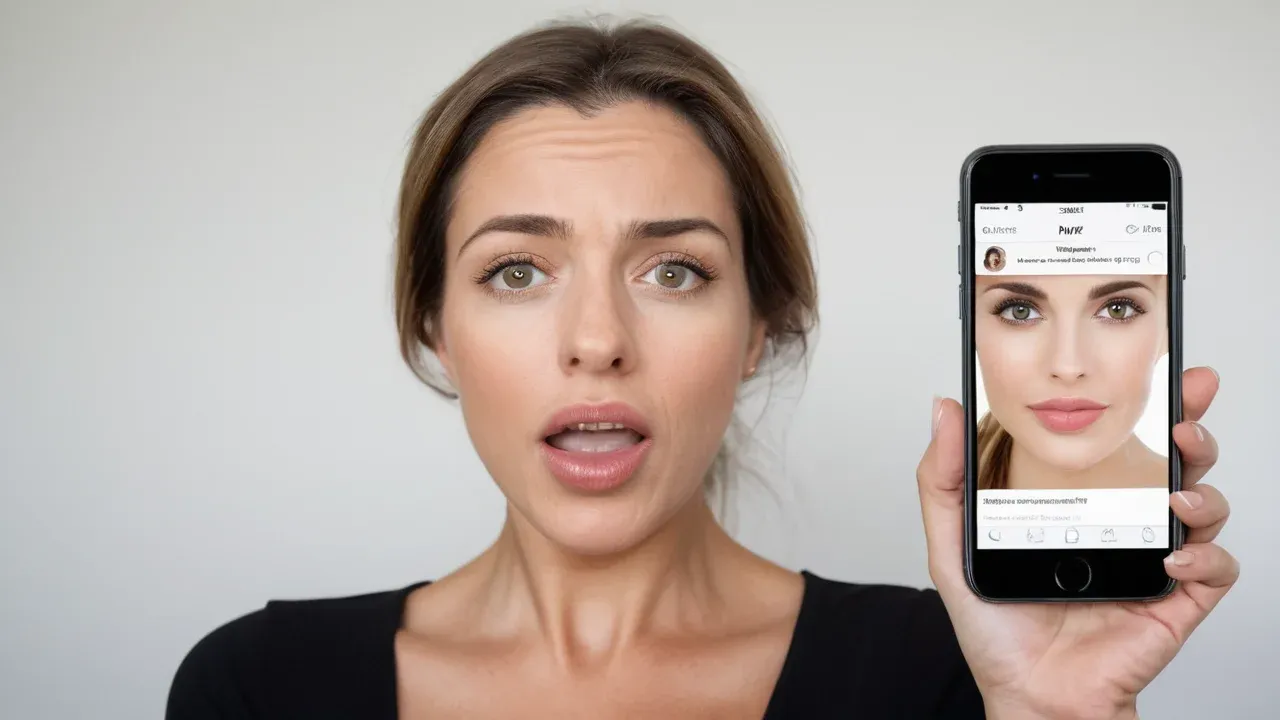
User Backlash and Trust Erosion
The reaction to Anthropic’s ID verification policy has been predominantly negative, reflecting a deep-seated distrust among users regarding how their personal information is handled by large technology companies. WinBuzzer documented widespread backlash, with users expressing concern over the necessity of such invasive measures for an AI chatbot service [9]thenextweb.comAnthropic's new privacy policy collects biometric data from flagged Claude usersAnthropic has updated its privacy policy to allow the company to require some Claude users to upload government-issued identification and submit selfie photos or videos for identity verification; facial geometry templates qualify as…Open source ↗. The sentiment on Reddit and other platforms indicates that many users view this policy as an overreach, arguing that standard account security measures should suffice without resorting to biometric data collection. The feeling of being watched or monitored is amplified when a private conversation tool demands proof of physical identity. Users report that the verification process feels intrusive and unnecessary, particularly for those who have not engaged in any suspicious activity [10]aitrove.aiClaude Now Wants Your Government ID: Anthropic's Identity Verification Explained (2026)Anthropic is the first major AI chatbot maker to require identity verification; a government-issued photo ID and live selfie are required, processed by Persona which holds the data.Open source ↗. This perception erodes trust in Anthropic’s commitment to user privacy, a core value that has historically distinguished the company from its competitors.
The timing of the policy rollout also contributes to the negative reception. The announcement coincided with growing global scrutiny on AI safety and data protection, making users more sensitive to any moves that appear to prioritize control over privacy [7]timesofai.comAnthropic Imposes Identity Verification on Claude Usage for UsersMost of the time, Anthropic would require a valid government photo ID and a camera to finish the identity verification process.Open source ↗. Users who joined Claude during its early beta phases often did so with an expectation of relative anonymity and experimentation freedom. The sudden imposition of strict identity checks shatters this expectation, leading to a sense of betrayal among the user base. The original signal source from Reddit-privacy highlights a personal narrative of losing access to the service due to these requirements, emphasizing the immediate and tangible impact on individual users [6]reddit.comSo far, so good... until I realized what it was asking for: a live face scan and a picture of my government passportUser report: the vendor Anthropic forces you to use for this is Persona.Open source ↗. This personal loss resonates with others who fear similar outcomes, creating a community-wide anxiety about the stability and privacy of their digital interactions.
Moreover, the use of a third-party vendor adds another layer of distrust. Users are reluctant to entrust their sensitive documents and biometric data to an external entity whose security practices they cannot directly verify. The fact that Persona is known for its aggressive data collection practices further fuels these concerns [9]thenextweb.comAnthropic's new privacy policy collects biometric data from flagged Claude usersAnthropic has updated its privacy policy to allow the company to require some Claude users to upload government-issued identification and submit selfie photos or videos for identity verification; facial geometry templates qualify as…Open source ↗. Users worry that their data could be retained indefinitely, sold to advertisers, or used in ways that violate their initial consent. The lack of transparency regarding how the verification data is stored and protected leaves users with little recourse if a breach occurs. This erosion of trust is not just about immediate privacy risks but also about the long-term relationship between users and AI providers. If users feel that their privacy is compromised, they may seek alternative platforms or reduce their usage, which could ultimately harm Anthropic’s ecosystem. The backlash serves as a warning sign that users are increasingly aware of their digital rights and are less willing to trade them for convenience.
Compass Predictive Analytics
Compass Predictive Analytics
Strategic Analysis of Identity Verification in AI
Anthropic’s decision to implement ID verification reflects a broader trend in the technology industry toward increased accountability and regulation. As AI services become more integrated into daily life, providers face growing pressure from regulators and users to prevent misuse, such as fraud, harassment, or the generation of harmful content [8]businessinsider.comClaude is requiring some of its users to verify their identity. Here's Anthropic's explanationAnthropic says ID verification for Claude users will trigger when it sees potentially fraudulent or abusive behavior.Open source ↗. Identity verification is one tool available to combat these issues, but its implementation must balance security needs with privacy preservation. The current approach, which relies heavily on biometric data and third-party vendors, may not be the most effective or ethical solution. Alternative methods, such as phone number verification or decentralized identity protocols, could offer robust security without the same level of privacy intrusion.
The strategic implications for Anthropic are significant. By requiring ID verification, the company can reduce abuse and enhance its reputation as a secure platform. However, this comes at the cost of user trust and potential legal liabilities associated with biometric data handling. The policy may also create barriers to entry for users in regions with limited access to government IDs or those who prioritize anonymity [7]timesofai.comAnthropic Imposes Identity Verification on Claude Usage for UsersMost of the time, Anthropic would require a valid government photo ID and a camera to finish the identity verification process.Open source ↗. This could limit Anthropic’s market reach and alienate privacy-conscious users who are increasingly vocal about their concerns. The company must navigate these challenges carefully, ensuring that its security measures do not undermine the core values of privacy and autonomy that attract users to AI services in the first place.
The role of third-party vendors like Persona is critical in this equation. While they provide specialized expertise in identity verification, their involvement introduces additional risks and complexities. Anthropic must ensure rigorous oversight of its vendors to protect user data and maintain compliance with evolving privacy laws [3]it-connect.techAccording to user discussions on Reddit, since confirmed by Anthropic's help center, the provider handling the process is PersonaConfirmed by Anthropic's help center that Persona handles the verification process.Open source ↗. Failure to do so could result in regulatory penalties and reputational damage. The company also needs to be transparent about its data practices, providing clear information on how verification data is used, stored, and deleted. Transparency can help mitigate user concerns and build trust, even in the face of necessary security measures.
Compass Predictive Analytics

Conclusion and Future Outlook
Anthropic’s introduction of ID verification for Claude users represents a pivotal moment in the evolution of AI service privacy. The requirement to submit government IDs and biometric selfies via a third-party vendor raises serious questions about data minimization, consent, and the long-term risks of biometric data collection [9]thenextweb.comAnthropic's new privacy policy collects biometric data from flagged Claude usersAnthropic has updated its privacy policy to allow the company to require some Claude users to upload government-issued identification and submit selfie photos or videos for identity verification; facial geometry templates qualify as…Open source ↗. While the stated goal of preventing fraud and suspicious activity is legitimate, the current implementation prioritizes security over privacy in a manner that many users find unacceptable. The backlash from the user community highlights a growing demand for transparency and ethical data practices in the AI industry.
The future of AI privacy will depend on how companies like Anthropic balance these competing interests. Regulatory frameworks around biometric data are likely to tighten, forcing providers to adopt more privacy-preserving verification methods. Users will continue to advocate for their rights, pushing for greater transparency and control over their personal information. Anthropic must respond to these concerns by reevaluating its verification strategy, exploring less intrusive alternatives, and ensuring robust protection for the data it does collect. Failure to do so risks not only losing users but also facing legal and reputational consequences in an increasingly privacy-conscious world. The decision to require ID verification was a significant step, but how Anthropic manages the fallout and evolves its practices will determine its long-term success and trustworthiness in the AI landscape.
Compass Predictive Analytics