
Listen to this article
Narrated by Charlotte · The Noble House
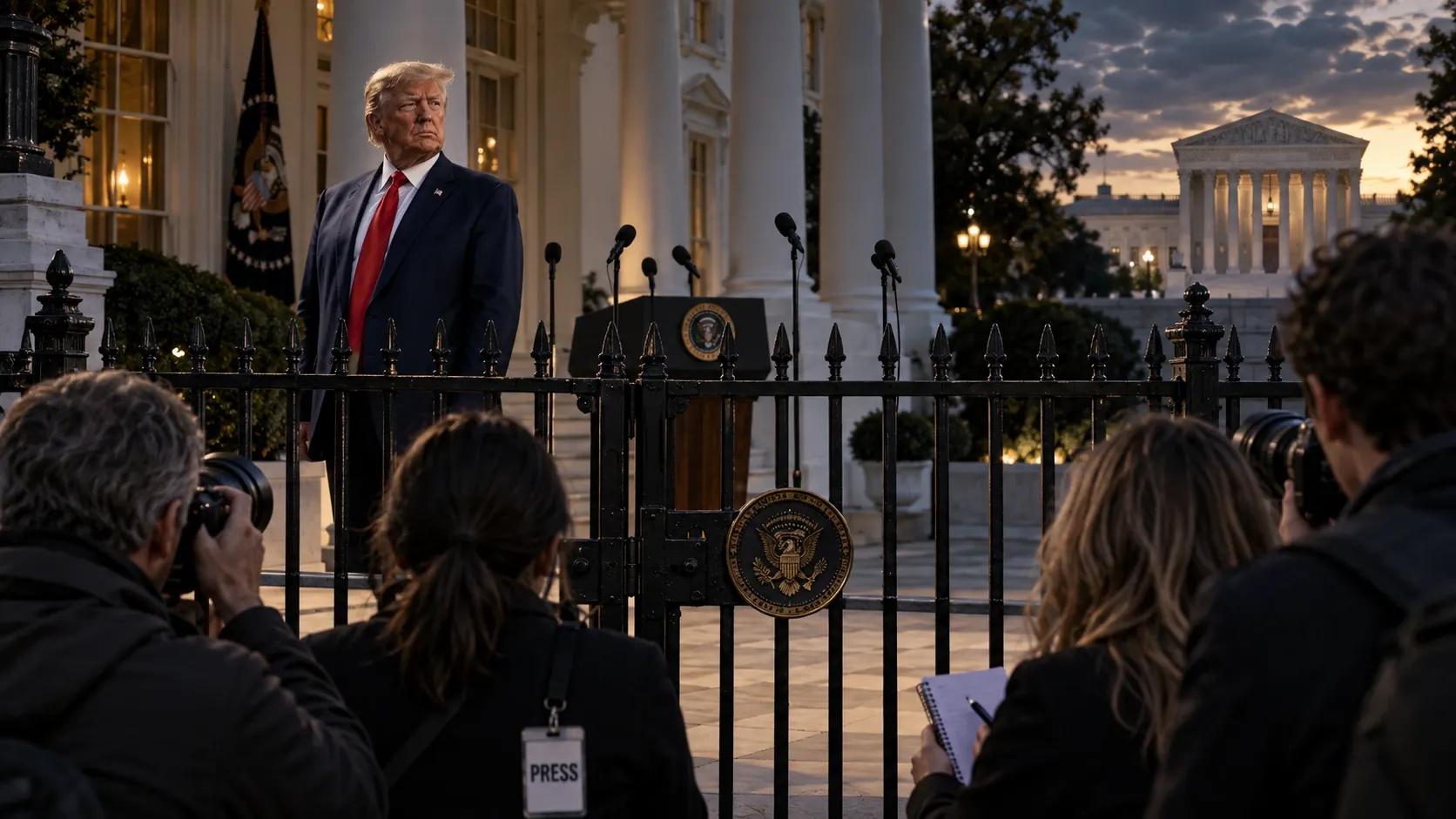
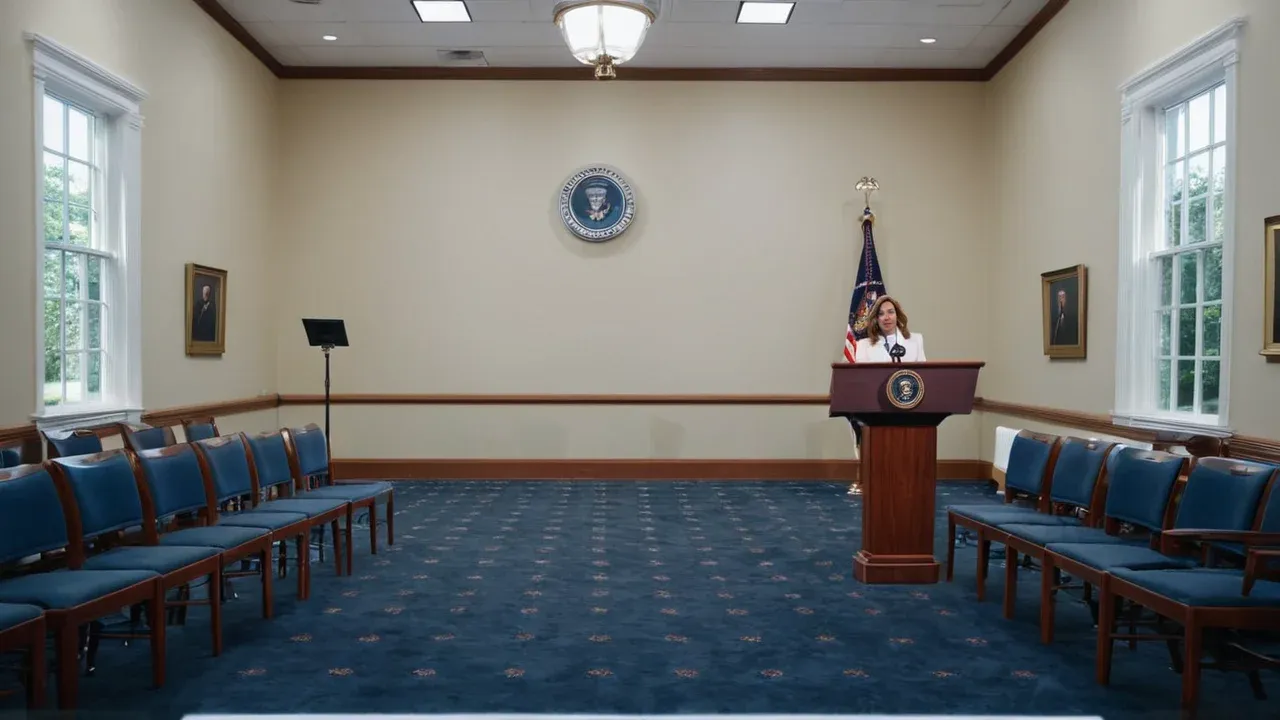
The White House press briefing room, usually a theater of controlled chaos, fell into a peculiar silence on a Wednesday morning in September 2026. For CNN, MS NOW, and Politico, the physical barrier was the revocation of their permanent press credentials, an act that effectively erased their presence from the daily machinery of presidential reporting. The stakes were immediate and tangible: without access, these outlets could not file stories, could not attend briefings, and could not fulfill the basic contract between the executive branch and the public. The Trump administration’s decision to ban these three major news organizations was not a routine personnel change. It was a unilateral assertion of executive authority that collided head-on with established legal norms regarding press access.
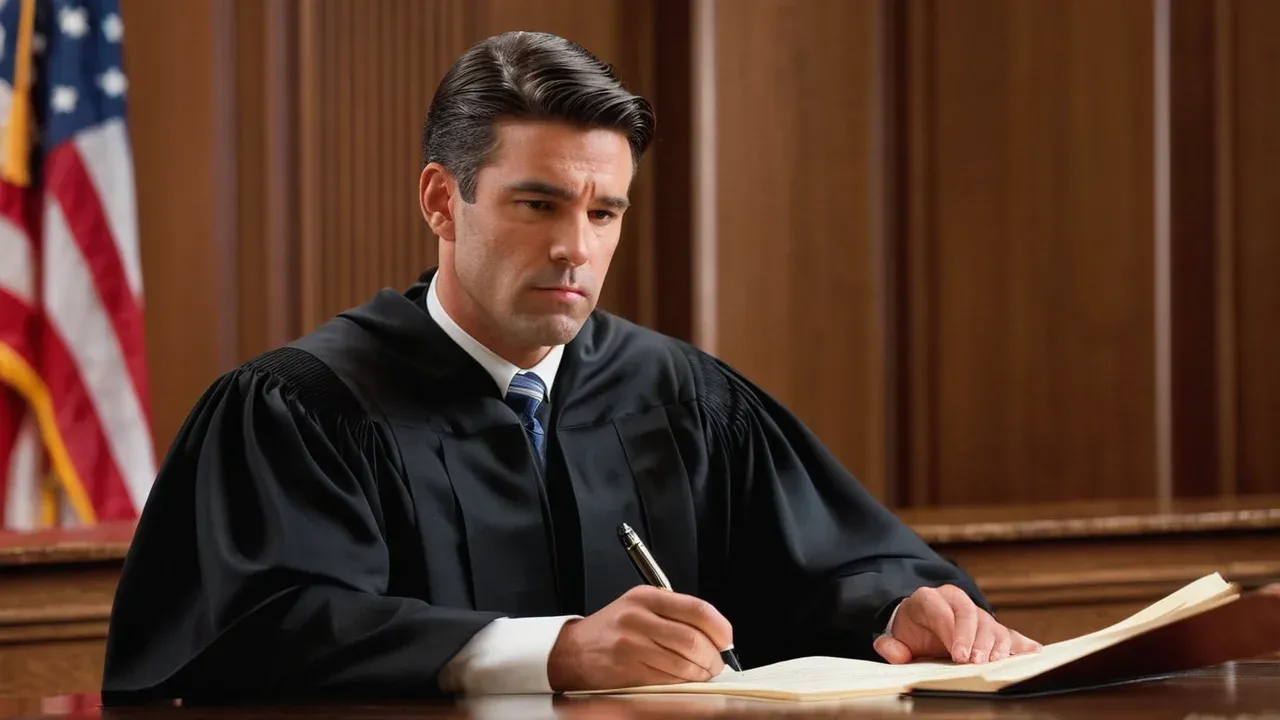
The core of the controversy lies not in the administration’s right to manage its own space, but in the procedural vacuum created by the ban. A federal court intervened, issuing a Temporary Restraining Order (TRO) that mandated the immediate restoration of access for the affected outlets [1]nytimes.comJudge Blocks Trump’s White House Ban on CNN, MS NOW and PoliticoJudge Timothy J. Kelly issued a temporary restraining order and told the White House to immediately restore the press credentials for the employees of the three news outlets.Open source ↗ [6]npr.orgFederal judge hearing Trump ban CNN MS NOW PoliticoA federal judge appeared inclined to order the White House to restore — at least temporarily — the press passes of journalists for CNN, Politico and MS NOW (formerly MSNBC).Open source ↗. This ruling, however, does not constitute a final judgment on the constitutional merits of the administration’s actions. Instead, it serves as a procedural safeguard, ensuring that the status quo is preserved while the courts evaluate the substantive legal arguments regarding due process and First Amendment rights. The distinction between these two legal frameworks is critical to understanding the current landscape of press freedom and executive power.
The Procedural Foundation of the Ruling
The Temporary Restraining Order issued by U.S. District Judge Timothy J. Kelly is explicitly grounded in the Fifth Amendment’s Due Process Clause, rather than the First Amendment’s protections for freedom of the press. This legal distinction is paramount, as it shifts the focus from the substantive right to report news to the procedural rights of the individuals and entities subject to government action. Judge Kelly, a Trump appointee, determined that the outlets were likely to succeed in demonstrating that their permanent press passes were revoked without constitutionally adequate due process [2]usatoday.comTrump White House ban on CNN MS NOW, Politico blocked by judgeIn an early-morning ruling, U.S. District Judge Timothy Kelly, a Trump appointee, issued a temporary restraining order to reinstate press passes for reporters from CNN, MS NOW and Politico, after ...Open source ↗ [5]politico.comDistrict Court in Washington, which assigned the case to Judge Timothy Kelly, a Trump appointeeDistrict Court in Washington, which assigned the case to Judge Timothy Kelly, a Trump appointee.Open source ↗. The judge’s reasoning emphasizes that individuals must receive notice and an opportunity to be heard before the government deprives them of a constitutionally protected interest. In this context, the court recognized that permanent press credentials constitute a significant interest that cannot be arbitrarily stripped away without a fair hearing.
The administration’s defense relied heavily on the argument that press access is a privilege, not a right, and therefore subject to unilateral revocation by the executive branch. The Department of Justice (DOJ) argued that the ban was justified by national security concerns, specifically citing the outlets’ reporting on White House ballroom plans [7]people.comDOJ argues CNN, MS NOW, and Politico threatened national securityThe Trump administration argued the outlets “threatened national security,” in part by reporting on the president’s White House ballroom plans At a hearing on Wednesday, Sept.Open source ↗. However, the outlets’ legal team, led by Theodore J. Boutrous, countered that these national security justifications appeared retroactive. The initial announcement of the ban was based on the outlets’ decision to write negative news, suggesting that the national security rationale was fabricated to justify a politically motivated exclusion. The court’s decision to issue a 14-day TRO reflects a judicial skepticism toward the administration’s procedural handling of the revocation. By ordering the immediate restoration of press credentials, the judge ensured that the outlets could resume their reporting activities while the longer legal battle proceeds. This interim measure acts as a band-aid, freezing the status quo to prevent irreparable harm to the press corps’ ability to function.
The immediate effect of the order was realized by midday Thursday, following initial delays by the White House [3]npr.orgJournalists for CNN, MS NOW and Politico return to the White House upon judge's ordersA federal judge ordered the Trump administration on Thursday to temporarily restore access to CNN, MS NOW and Politico, after they were banned from covering White House events by President Trump.Open source ↗. This swift implementation underscores the court’s insistence on compliance with due process requirements. The ruling does not invalidate the administration’s authority to manage press access; rather, it mandates that such authority be exercised within the bounds of procedural fairness. The judge’s decision highlights the importance of notice and hearing in administrative actions that affect significant professional interests. By grounding the ruling in the Fifth Amendment, the court avoids making a definitive statement on the First Amendment merits, leaving that question for future litigation. This approach allows the judicial system to address procedural irregularities without prematurely resolving the broader constitutional debate.
Compass Predictive Analytics
Compass Predictive Analytics
The Administration’s National Security Justification
A central pillar of the Trump administration’s defense against the lawsuit is the assertion that the banned outlets threatened national security through their reporting. The Department of Justice argued that the coverage of White House ballroom plans by CNN, MS NOW, and Politico posed a risk to national security, thereby justifying the revocation of their press credentials. This argument attempts to elevate the ban from a matter of press relations to one of national security, a domain where the executive branch traditionally enjoys broad discretion. The administration’s opposition filing explicitly stated that the President’s actions are lawful under the First Amendment, suggesting that the national security justification overrides any claims of press freedom [8]deadline.comTrump CNN ban lawsuit latestLeaning onto a Wednesday hearing on a temporary restraining order, the administration late Tuesday argued for Trump and top White House aides in its opposition filing that the “President’s actions are lawful under the First Amendment.”Open source ↗.
However, the outlets’ legal team challenged the validity of this national security claim, arguing that it was introduced retroactively. The initial ban was announced based on the outlets’ decision to publish negative news about the administration, not on any specific national security threat. The timing of the national security argument, which emerged only after the ban was implemented and challenged in court, raises questions about its sincerity and legal basis. The outlets’ lawyers contended that the national security rationale was a post-hoc justification designed to shield the administration from legal scrutiny. This counter-argument suggests that the ban was politically motivated, using national security as a pretext to exclude critical voices from the White House press corps.
The court’s decision to issue a TRO does not resolve the substantive question of whether the national security justification is valid. Instead, it focuses on the procedural aspects of the ban, specifically the lack of notice and hearing. The judge’s ruling implies that even if national security concerns are legitimate, they must be addressed through proper legal channels, including notice and an opportunity for the affected parties to respond. The administration’s reliance on national security as a blanket justification for excluding specific news organizations is viewed with skepticism by the court. The retroactive nature of the argument undermines its credibility, suggesting that the ban was not initially motivated by genuine security concerns. This dynamic highlights the tension between executive authority and judicial oversight, particularly when national security is invoked to justify restrictive measures.
The administration’s position also raises broader questions about the scope of executive power in managing press access. If national security can be used to justify the exclusion of any news organization, the potential for abuse is significant. The court’s emphasis on due process serves as a check on this potential, ensuring that the executive branch cannot arbitrarily exclude press outlets without providing a valid, pre-existing justification. The ongoing litigation will likely delve deeper into the specifics of the national security claim, examining whether the reporting on ballroom plans actually posed a threat and whether the administration’s response was proportional to any alleged risk. Until then, the TRO remains in effect, allowing the outlets to continue their reporting while the legal arguments are fully developed.
Compass Predictive Analytics
The First Amendment Merits and Future Litigation
While the Temporary Restraining Order is grounded in the Fifth Amendment’s Due Process Clause, the underlying legal battle involves significant First Amendment issues. The administration’s argument that its actions are lawful under the First Amendment suggests a belief that the executive branch has broad discretion to manage press access, even to the point of excluding specific news organizations. This position contrasts sharply with the outlets’ claim that their permanent press credentials constitute a protected interest that cannot be revoked without due process. The First Amendment implications of this case are profound, as they touch upon the fundamental right of the press to access information and report on government activities.
The court’s decision to issue a TRO does not resolve the First Amendment merits of the case. Instead, it leaves these questions for future litigation, allowing the parties to fully develop their arguments. The outlets’ legal team is likely to argue that the ban violates the First Amendment by excluding specific news organizations from the White House press corps, thereby restricting the flow of information to the public. The administration, on the other hand, is likely to argue that press access is a privilege that can be revoked for various reasons, including national security or disruptive behavior. The court will need to balance these competing interests, determining whether the executive branch’s authority to manage press access is limited by the First Amendment.
The outcome of this litigation could have far-reaching implications for press freedom in the United States. If the court rules in favor of the outlets, it could establish a precedent that permanent press credentials are a protected interest that cannot be revoked without due process. This would limit the executive branch’s ability to exclude news organizations from the White House press corps, ensuring that the press can continue to report on government activities without fear of arbitrary exclusion. Conversely, if the court rules in favor of the administration, it could affirm the executive branch’s broad discretion to manage press access, potentially allowing for the exclusion of news organizations based on national security or other grounds.
The ongoing litigation also highlights the importance of judicial oversight in protecting press freedom. The court’s decision to issue a TRO demonstrates the judiciary’s role in checking executive power, ensuring that the executive branch does not abuse its authority to exclude critical voices. The First Amendment merits of the case will likely be the subject of intense legal debate, with both sides presenting compelling arguments. The court’s final decision will depend on its interpretation of the First Amendment and its assessment of the executive branch’s authority to manage press access. Until then, the TRO remains in effect, allowing the outlets to continue their reporting while the legal arguments are fully developed.
Compass Predictive Analytics
Implications for Press Access and Executive Authority
The legal challenge to the White House media ban has significant implications for the future of press access and executive authority. The Temporary Restraining Order issued by Judge Timothy J. Kelly serves as a critical check on the executive branch’s power to exclude news organizations from the White House press corps. By grounding the ruling in the Fifth Amendment’s Due Process Clause, the court emphasizes the importance of procedural fairness in administrative actions that affect significant professional interests. This decision ensures that the executive branch cannot arbitrarily revoke press credentials without providing notice and an opportunity for the affected parties to respond.
The administration’s reliance on national security as a justification for the ban raises concerns about the potential for abuse. If national security can be used to justify the exclusion of any news organization, the executive branch could potentially silence critical voices by invoking national security concerns. The court’s skepticism toward the retroactive nature of the national security argument underscores the importance of transparency and accountability in executive actions. The ongoing litigation will likely examine the specifics of the national security claim, determining whether the reporting on ballroom plans actually posed a threat and whether the administration’s response was proportional to any alleged risk.
The outcome of this case could set a precedent for how press access is managed in the future. If the court rules in favor of the outlets, it could establish a framework for protecting press credentials as a protected interest, limiting the executive branch’s ability to exclude news organizations. This would ensure that the press can continue to report on government activities without fear of arbitrary exclusion, promoting transparency and accountability in government. Conversely, if the court rules in favor of the administration, it could affirm the executive branch’s broad discretion to manage press access, potentially allowing for the exclusion of news organizations based on national security or other grounds.
The legal challenge also highlights the importance of judicial oversight in protecting press freedom. The resolution of this case will have lasting implications for the balance of power between the executive branch and the press, shaping the future of press freedom in the United States.
Compass Predictive Analytics
Conclusion
The Temporary Restraining Order issued by U.S. District Judge Timothy J. Kelly represents a significant procedural victory for CNN, MS NOW, and Politico, ensuring their immediate return to the White House press corps [4]aljazeera.comUS judge leaves White House media ban in place for nowUS judge leaves White House media ban in place for now on social media share-nodes Share facebook x whatsapp-stroke copylink google Add Al Jazeera on Google info US President Donald Trump arrives at the White HousOpen source ↗. However, this ruling is not a final judgment on the constitutional merits of the administration’s actions. The court’s decision is grounded in the Fifth Amendment’s Due Process Clause, emphasizing the importance of notice and hearing before the government deprives individuals of a protected interest. The administration’s national security justification, introduced retroactively, remains under scrutiny, with the outlets’ legal team arguing that it was a post-hoc attempt to justify a politically motivated ban.
The ongoing litigation will determine the substantive First Amendment implications of the ban, with both sides presenting compelling arguments regarding the executive branch’s authority to manage press access. The court’s final decision will likely set a precedent for how press credentials are protected and how the executive branch’s power to exclude news organizations is limited. The outcome of this case will have far-reaching implications for press freedom, transparency, and accountability in government. The judiciary’s role in checking executive power is crucial, ensuring that the executive branch does not abuse its authority to exclude critical voices. The resolution of this legal challenge will shape the future of press access, balancing the executive branch’s need for security with the press’s right to report on government activities. The immediate restoration of access under the TRO allows the outlets to continue their reporting, while the legal arguments are fully developed, ensuring that the rule of law prevails in this critical dispute.
Compass Predictive Analytics