

Listen to this article
Narrated by Charlotte · The Noble House

History becomes signal when time supplies the missing context.
2Briefs analyzed
10Signals inherited
5Patterns mapped
4/5Native forecasts
Executive Orientation
The screen glows with the timestamp: 09:20 PM, September 20, 2026. In one window, a map of Eastern Europe pulses with red alerts: drones striking Moscow, retaliatory missiles arcing toward Kyiv. In another, a spreadsheet of US corporate earnings drags downward, weighed by tariff walls and fuel costs. The dichotomy is not just visual; it is structural. We are living in a moment where kinetic violence and bureaucratic inertia collide, creating a global environment where stability is no longer guaranteed by tradition or geography. The immediate threat is explosive, but the enduring pressure is slow, grinding, and systemic.
The European Commission is building a sovereign digital identity layer via the KIDS Act, enforcing age verification through open-source infrastructure. In Silicon Valley, OpenAI is abandoning static routing for dynamic, signal-driven LLM inference, optimizing for real-time performance rather than fixed rules. In energy sectors, the cybersecurity narrative is shifting back to human agency, acknowledging that people remain the primary risk, not rogue AI. American companies are facing a crushing economic squeeze from tariffs, soaring fuel costs, and high interest rates, a situation executives describe simply as "awful." Meanwhile, Ukraine’s escalation of long-range strikes on Moscow signals a new phase in kinetic warfare, targeting infrastructure and logistics during critical political moments.
These domains require separate assessment protocols. Their pressures are distinct, but their combined effect is a global environment where stability is no longer guaranteed by tradition or geography.
Signal 1: Escalation in Russia-Ukraine Kinetic Conflict
Why it mattered
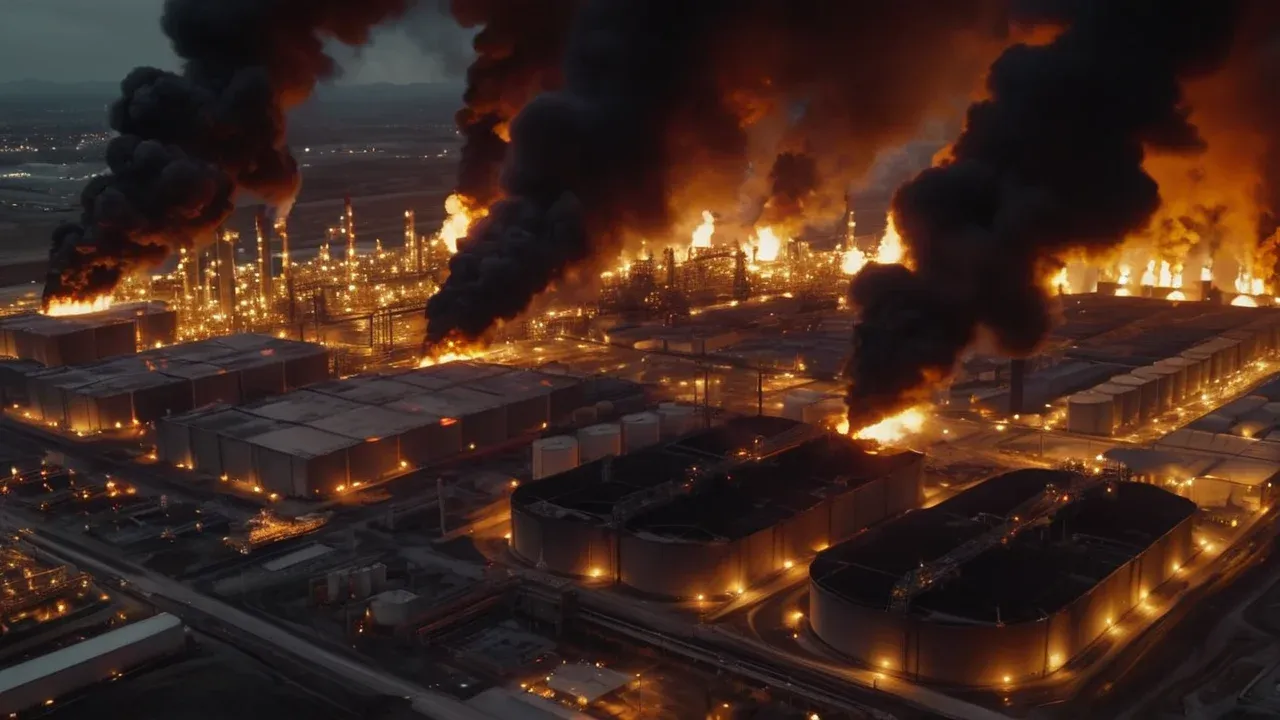
The kinetic escalation represents the highest magnitude immediate threat with global systemic reach due to energy infrastructure targeting and geopolitical destabilization. It has the highest forward consequence potential for regional war expansion and the strongest momentum of active combat operations.
What happened
Reports indicate at least two to three people were killed in the attack. 2 A major oil refinery in the Moscow region was hit and damaged. 2 Residential buildings were also reported to be affected. 2 Moscow Mayor Sergei Sobyanin described the attack as the largest ever on the capital, noting over 1,600 drones intercepted since Saturday with approximately 450 heading toward Moscow. 2 Russia's defense ministry announced it is preparing massive strikes on Ukraine's energy infrastructure in retaliation for the drone campaign. 2 Moscow vowed to intensify its strikes on Kyiv. 2 Russia's defense ministry explicitly linked the retaliation to the attack on warehouses and oil/gas facilities. 2
Changed conditions
Strengthened.
Unexpected forces No additional supported observation was available within the review window.
Calibration lesson
Uncertainty remains: Low; direct observation of military actions and explicit retaliatory threats.
Pattern bridge
No additional supported observation was available within the review window.
Next watch
Implementation of Russian retaliatory strikes on Ukrainian energy infrastructure.
At selection Selected at high confidence. The kinetic escalation represents the highest magnitude immediate threat with global systemic reach due to energy infrastructure targeting and geopolitical destabilization. It has the highest forward consequence potential for regional war expansion and the strongest momentum of active combat operations.
During the window The review-window evidence recorded: A massive wave of Ukrainian drone attacks targeted Moscow on September 20, 2026, during the final day of Russia's parliamentary elections. 2 Reports indicate at least two to three people were killed in the attack. 2 A major oil refinery in the Moscow region was hit and damaged. 2 Residential buildings were also reported to be affected. 2 Moscow Mayor Sergei Sobyanin described the attack as the largest ever on the capital, noting over 1,600 drones intercepted since Saturday with approximately 450 heading toward Moscow. 2 Russia's defense ministry announced it is preparing massive strikes on Ukraine's energy infrastructure in retaliation for the drone campaign. 2 Moscow vowed to intensify its strikes on Kyiv. 2 Russia's defense ministry explicitly linked the retaliation to the attack on warehouses and oil/gas facilities. 2
At review The trajectory remains strengthened. The remaining uncertainty is Low; direct observation of military actions and explicit retaliatory threats. The analytical focus is to Monitor retaliatory strikes on Ukrainian energy nodes and the resulting humanitarian and grid stability impacts.
UnavailableNo native Compass forecast identity exists in the inherited Brief evidence.
Compass Strategic Intelligence
Signal 2: Ukraine’s Escalation of Long-Range Strikes on Moscow
Why it mattered
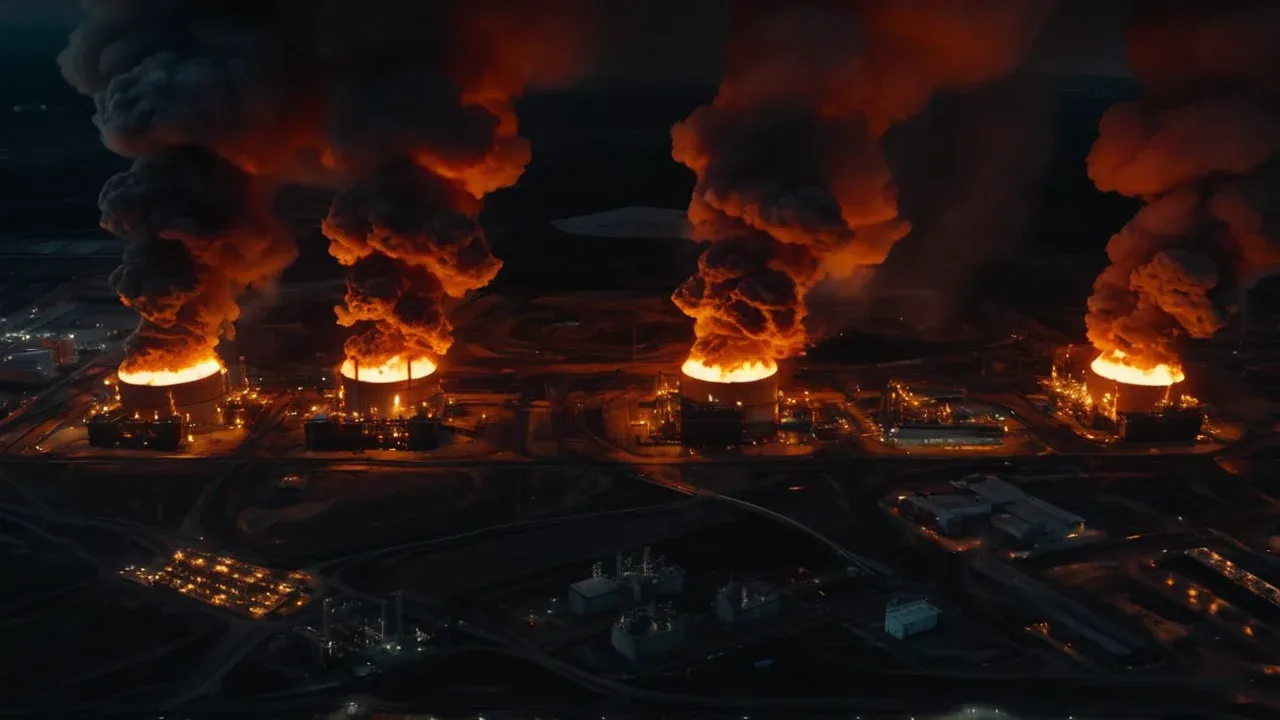
This signal captures the initial vector of the kinetic escalation. It shares the high systemic reach and forward consequence of the evening signal but is ranked slightly lower as the evening brief provides the more evolved and confirmed state of the event.
What happened
At least three people were killed in the Moscow region as a result of the drone strikes. 1 Moscow Mayor Sergei Sobyanin reported that Russia had downed more than 1,600 drones since the attack began, with approximately 450 headed specifically for Moscow. 1 The attack occurred while Russia was conducting voting operations, adding a political dimension to the military strike. 1 The assault targeted the Kapotnya oil refinery on the outskirts of Moscow. 1 Air traffic at three Moscow airports was disrupted by the attack. 1 President Volodymyr Zelensky confirmed that Kyiv had struck a key Russian oil facility and a logistics site using drones and missiles, representing billions of dollars of damage. 1 The strikes represent a significant escalation in Ukraine's long-range strike capability against Russian critical infrastructure near the capital. 1
Changed conditions
Strengthened.
Unexpected forces No additional supported observation was available within the review window.
Calibration lesson
Uncertainty remains: Low; confirmed hits on critical infrastructure.
Pattern bridge
No additional supported observation was available within the review window.
Next watch
Political responses in Russia and international perceptions of the conflict.
At selection Selected at high confidence. This signal captures the initial vector of the kinetic escalation. It shares the high systemic reach and forward consequence of the evening signal but is ranked slightly lower as the evening brief provides the more evolved and confirmed state of the event.
During the window The review-window evidence recorded: Ukraine launched one of its largest drone and missile attacks on Moscow and surrounding regions in September 2026, targeting a key oil refinery, a drone manufacturing plant, and an Ozon logistics facility. 1 At least three people were killed in the Moscow region as a result of the drone strikes. 1 Moscow Mayor Sergei Sobyanin reported that Russia had downed more than 1,600 drones since the attack began, with approximately 450 headed specifically for Moscow. 1 The attack occurred while Russia was conducting voting operations, adding a political dimension to the military strike. 1 The assault targeted the Kapotnya oil refinery on the outskirts of Moscow. 1 Air traffic at three Moscow airports was disrupted by the attack. 1 President Volodymyr Zelensky confirmed that Kyiv had struck a key Russian oil facility and a logistics site using drones and missiles, representing billions of dollars of damage. 1 The strikes represent a significant escalation in Ukraine's long-range strike capability against Russian critical infrastructure near the capital. 1
At review The trajectory remains strengthened. The remaining uncertainty is Low; confirmed hits on critical infrastructure. The analytical focus is to Assess impact on Russian energy supply and military logistics during voting operations.
NO · againstWill "Ukraine damages key Russian oil facility in LARGEST ATTACK on Moscow #shorts #world #news #foxnews" produce verified policy implementation within 72h? Horizon 72h.
UnavailableNo native Compass forecast identity exists in the inherited Brief evidence.
Compass Strategic Intelligence
Compass Strategic Intelligence
Signal 3: US-China Diplomatic Maneuvering
Why it mattered
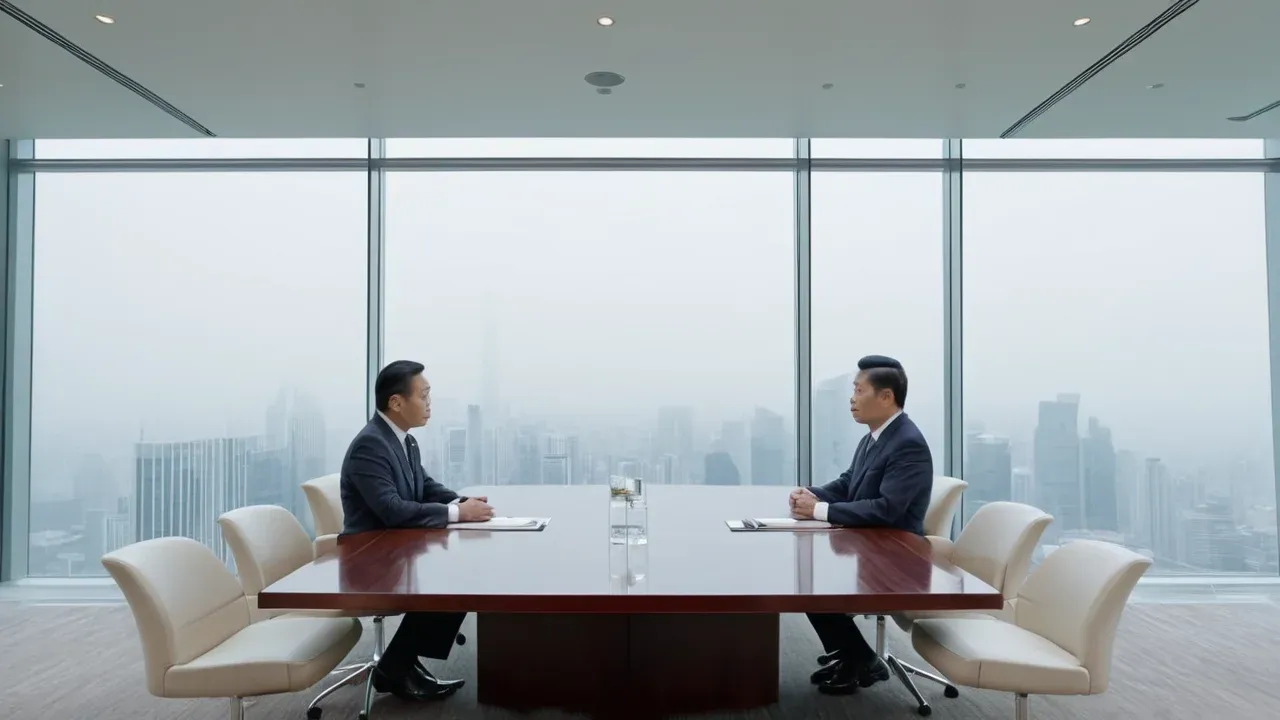
High systemic reach due to global trade implications, but lower immediate magnitude than kinetic conflict. Forward consequence is high as it sets the stage for the Trump-Xi summit. Momentum is moderate as it is a preparatory diplomatic step.
Changed conditions
Emerged.
Unexpected forces No additional supported observation was available within the review window.
Calibration lesson
Uncertainty remains: Medium; diplomatic outcomes are contingent on negotiation dynamics.
Pattern bridge
No additional supported observation was available within the review window.
Next watch
Statements released after the Bessent-He Lifeng meeting.
At selection Selected at medium confidence. High systemic reach due to global trade implications, but lower immediate magnitude than kinetic conflict. Forward consequence is high as it sets the stage for the Trump-Xi summit. Momentum is moderate as it is a preparatory diplomatic step.
During the window The review-window evidence recorded: US Treasury Secretary Scott Bessent is scheduled to meet with Chinese Vice Premier He Lifeng. 2 The meeting serves as a precursor to an expected summit where President Donald Trump will meet with Chinese President Xi Jinping. 2 The dialogue is described as one of the most consequential bilateral economic dialogues in recent memory. 2
At review The trajectory remains emerged. The remaining uncertainty is Medium; diplomatic outcomes are contingent on negotiation dynamics. The analytical focus is to Monitor the Bessent-He Lifeng meeting outcomes and subsequent Trump-Xi summit.
YES · favorWill "HIGH-STAKES SUMMIT: Trump to meet with Xi as Bessent hosts China’s vice premier" produce verified policy implementation within 72h? Horizon 72h.
UnavailableNo native Compass forecast identity exists in the inherited Brief evidence.
Compass Strategic Intelligence
Signal 4: EU Digital Identity and Age Verification Infrastructure

Why it mattered
Significant forward consequence as a potential global standard for digital identity. Systemic reach is high across the tech sector. Magnitude is moderate as it is regulatory rather than kinetic. Persistence is high due to legislative inertia.
What happened
The KIDS Act proposes common rules restricting digital access for children online. 1 The proposal includes a ban on social media for children under 13 and permits parent-supervised accounts for users aged 13 to 15. 1 The EU is building a free, open-source smartphone app to enforce the proposed ban. 1 The app serves as an age verification tool that informs platforms whether a user is underage. 1 EU member states are pushing for an under-15 social media ban. 1 The proposal affects approximately 450 million pre-teens in the EU. 1
Changed conditions
Emerged.
Unexpected forces No additional supported observation was available within the review window.
Calibration lesson
Uncertainty remains: Low; legislative text is the primary driver.
Pattern bridge
No additional supported observation was available within the review window.
Next watch
Final legislative text and technical specifications of the KIDS Act.
At selection Selected at high confidence. Significant forward consequence as a potential global standard for digital identity. Systemic reach is high across the tech sector. Magnitude is moderate as it is regulatory rather than kinetic. Persistence is high due to legislative inertia.
During the window The review-window evidence recorded: The European Commission introduced the Keeping Internet Digital Spaces Accountable and Trustworthy (KIDS) Act. 1 The KIDS Act proposes common rules restricting digital access for children online. 1 The proposal includes a ban on social media for children under 13 and permits parent-supervised accounts for users aged 13 to 15. 1 The EU is building a free, open-source smartphone app to enforce the proposed ban. 1 The app serves as an age verification tool that informs platforms whether a user is underage. 1 EU member states are pushing for an under-15 social media ban. 1 The proposal affects approximately 450 million pre-teens in the EU. 1
At review The trajectory remains emerged. The remaining uncertainty is Low; legislative text is the primary driver. The analytical focus is to Assess impact of the KIDS Act on platform compliance and track the under-15 ban proposal.
YES · favorWill "To Enforce Its Proposed Social Media Ban for 450 Million Pre-Teens, EU Builds an Open Source App" produce verified policy implementation within 72h? Horizon 72h.
UnavailableNo native Compass forecast identity exists in the inherited Brief evidence.
Compass Strategic Intelligence
Signal 5: American Corporate Economic Squeeze

Why it mattered
High systemic reach across the US economy. Forward consequence is significant for market stability. Momentum is moderate due to ongoing nature. Persistence is lower as economic conditions can shift rapidly.
Changed conditions
Weakened.
Unexpected forces No additional supported observation was available within the review window.
Calibration lesson
Uncertainty remains: Low; current economic data is clear.
Pattern bridge
No additional supported observation was available within the review window.
Next watch
Potential economic disruption in manufacturing and transportation sectors.
At selection Selected at high confidence. High systemic reach across the US economy. Forward consequence is significant for market stability. Momentum is moderate due to ongoing nature. Persistence is lower as economic conditions can shift rapidly.
During the window The review-window evidence recorded: The combination of tariffs, surging fuel prices, and rising interest rates is forcing executives to make tough choices. 1 The economic squeeze is particularly acute for manufacturers, auto suppliers, retailers, and transportation businesses. 1 Executives are expressing significant distress, summarized by the quote: It is awful. 1
At review The trajectory remains weakened. The remaining uncertainty is Low; current economic data is clear. The analytical focus is to Monitor impact of tariffs, fuel costs, and interest rates on profitability.
YES · favorWill American companies in the manufacturing, auto supply, retail, and transportation sectors report further deterioration in operational margins or increased financial distress within the next 72h? Horizon 72h.
UnavailableNo native Compass forecast identity exists in the inherited Brief evidence.
Compass Strategic Intelligence
Residual Field: Residual Pressure Synthesis: Legislative Stagnation, Supply Chain Decay, and AI Architectural Divergence
The residual signals reveal a landscape of administrative inertia and structural decay rather than kinetic momentum. The Legislative Push Against Corporate Healthcare Ownership faces immediate friction from committee referral processes and entrenched private equity interests, creating a pressure zone of political resistance that contrasts with the immediate kinetic threats. Simultaneously, the End of Sherline Tools Manufacturing represents a tangible contraction in precision manufacturing capacity, signaling long-term supply chain fragility as a key domestic producer winds down operations. In the technological domain, the Emergence of System One AI Models introduces a divergence in AI architecture, shifting focus from generative text to structured decision-making, while OpenAI Dynamic Inference Routing indicates a broader industry shift toward real-time optimization over static rules. Finally, the unresolved nature of Human Agency in Energy Cybersecurity highlights a persistent vulnerability gap where technical solutions lag behind threat evolution, particularly as human actors leverage AI tools to exploit grid vulnerabilities. These five pressures interact not as isolated events but as a converging force: legislative gridlock slows regulatory responses to corporate healthcare consolidation, manufacturing decay weakens the industrial base needed for energy security, and AI architectural divergence offers both efficiency gains and new attack vectors for human agents targeting critical infrastructure. The result is a system under high administrative and structural pressure, where the pace of technological and economic change outstrips the capacity for political and defensive adaptation.
[1]blog.thenoblehouse.aiMorning Brief — September 20, 2026Open the source to inspect the supporting evidence.Open source ↗ [2]blog.thenoblehouse.aiEvening Brief — September 20, 2026Open the source to inspect the supporting evidence.Open source ↗
Cross-Field Convergence
The kinetic escalation in Russia-Ukraine creates immediate geopolitical instability that contrasts sharply with the quiet but significant legislative restructuring of US healthcare and the subtle architectural shifts in AI. While the morning brief focuses on regulatory and tech infrastructure, the evening brief highlights a direct threat to global stability, suggesting that macro-political shocks may disrupt or overshadow domestic legislative and tech timelines. A pattern of 'managed decay' and 'structured transition' is evident across residual and prevailing signals. Sherline Tools is winding down in a controlled manner, while OpenAI and TypeSafe AI are transitioning infrastructure and models towards more deterministic, optimized, and structured operations. This mirrors the EU's attempt to structure digital access via the KIDS Act, indicating a broader trend towards imposing rigid frameworks on complex, fluid systems. The intersection of the American corporate economic squeeze and the end of Sherline Tools manufacturing presents a compounded risk to US industrial resilience, exacerbated by the unresolved energy cybersecurity threats where human actors are exploiting vulnerabilities that technical defenses have not yet fully addressed. The US-China diplomatic maneuvering offers a potential window to stabilize economic conditions that are currently exacerbated by the corporate squeeze, while the emergence of System One AI presents an opportunity for efficiency gains in sectors currently suffering from economic squeeze.
[1]blog.thenoblehouse.aiMorning Brief — September 20, 2026Open the source to inspect the supporting evidence.Open source ↗ [2]blog.thenoblehouse.aiEvening Brief — September 20, 2026Open the source to inspect the supporting evidence.Open source ↗
Final Day Synthesis
On September 20, 2026, the strategic landscape is defined by a dichotomy between acute kinetic escalation in the Russia-Ukraine conflict and the quiet, structural shifts in domestic US policy, healthcare legislation, and AI architecture. While the evening brief highlights the immediate threat of retaliatory strikes, the residual signals indicate that the more enduring pressures are legislative gridlock, manufacturing decay, and the divergence of AI from generative to deterministic models. The stronger day-level conclusion is that the world is not converging on a single narrative but fracturing into parallel realities. Stakeholders must stop seeking a master key and start holding multiple locks. Bounded uncertainty remains high regarding the timing and severity of Russian retaliatory strikes on Ukrainian energy infrastructure, as well as the legislative outcomes for healthcare bills. Next watches include the implementation of Russian retaliatory strikes, committee referral outcomes for the Stop Corporate Takeovers of Physicians Act, and adoption rates of OpenAI's dynamic inference routing and TypeSafe AI's Jev. The interplay of these independent signals will shape the strategic landscape in the coming months, with kinetic events potentially overshadowing slower-moving domestic trends.
[1]blog.thenoblehouse.aiMorning Brief — September 20, 2026Open the source to inspect the supporting evidence.Open source ↗ [2]blog.thenoblehouse.aiEvening Brief — September 20, 2026Open the source to inspect the supporting evidence.Open source ↗