
Listen to this article
Narrated by Charlotte · The Noble House
History becomes signal when time supplies the missing context.
2Briefs analyzed
10Signals inherited
5Patterns mapped
3/5Native forecasts
Executive Orientation
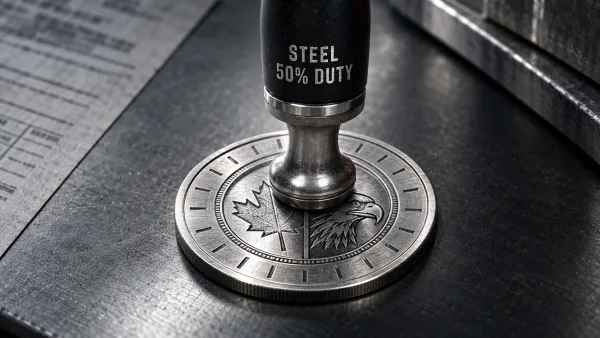
Steel plating at the border crossing catches the morning light in a way that resembles armor more than industry. It is September 7, 2026. Diesel fumes mix with the palpable tension in the air. Washington has moved past threats; tariffs are now law. Ottawa has already drafted its retaliation. Tehran is tightening the Strait of Hormuz. These events are not isolated news items. They are symptoms of a global system shedding its skin. The world is fragmenting. New structures are forming in the cracks.
Centralized authority is failing to manage modern complexity. Power, capital, and information are decoupling rapidly. Businesses face skyrocketing costs for global operations. Citizens trade privacy for security in a regulatory vacuum. Investors watch old stability models dissolve into volatility. The primary risk is not economic disruption. It is the loss of shared reality underpinning global trade. Decentralized alternatives are rising from the ashes. Local AI, sovereign data, and resilient supply chains are the new infrastructure.
Some argue these tensions are temporary. They point to historical alliance resilience and the necessity of cooperation. They view tariffs as negotiating tactics and the Strait of Hormuz as a bluff. This view assumes the center will hold. The evidence suggests otherwise. Tariffs are enforced. Restricted zones are planned. Surveillance networks are built. The momentum is real.
Trust in centralized institutions is eroding. When governments fail to provide security or fairness, actors retreat to smaller spheres. This logic of the atom has led to nation-states before. Now it leads to local jurisdictions and decentralized networks. Canada’s retaliation is symbolic as well as economic. Street renaming signals identity. The U.S. debate over AI surveillance is a battle for the soul of the state. The Strait of Hormuz reminds us that power remains physical.
Fragmentation creates inefficiency and waste. It raises costs and makes the world poorer. Efficiency is not the only value. Security and autonomy matter. In uncertainty, independent action is worth the cost. The technology exists. The demand is there. The failure of the center has created the space.
Recognize the fragmentation. Do not wait for reversal. Build resilience by diversifying supply chains and protecting data. Leverage decentralized tools like local AI. Watch for tipping points in trade and regulation. We are moving from global integration to local resilience. The winners will adapt. The losers will cling to the old order. The future is local. It is already here.
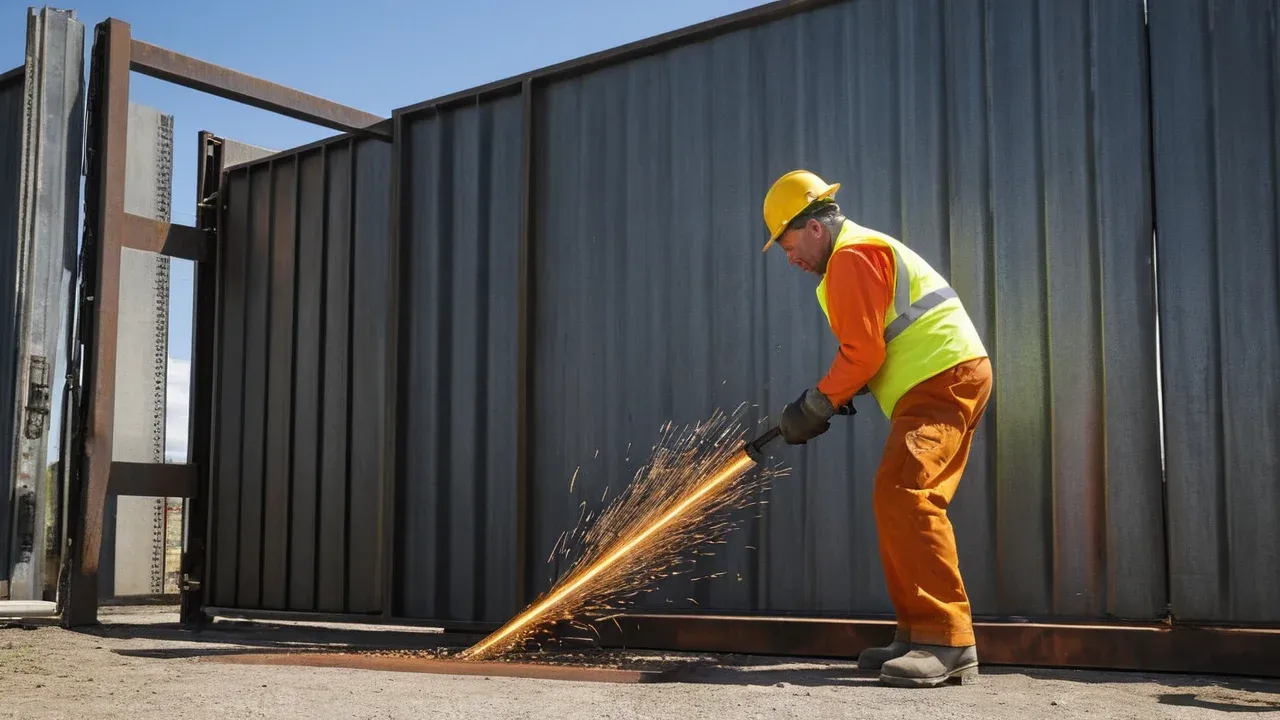
Signal 1: Canada Retaliatory Tariffs Loom As Ottawa Moves To Rename Trump Ave
Original signal
No additional supported observation was available within the review window. Brief evidence
Why it mattered
Active execution of 50% tariffs on steel/aluminum and $27.6B in goods represents the highest immediate consequence and systemic reach. The tit-for-tat escalation indicates high momentum and persistence in trade conflict.
What happened
No additional supported observation was available within the review window.
Changed conditions
Strengthened.
Unexpected forces No additional supported observation was available within the review window.
Calibration lesson
Uncertainty remains: Low; policy is live and verified.
Pattern bridge
No additional supported observation was available within the review window.
Next watch
U.S. retaliatory measures beyond steel/aluminum.
At selection Selected at high confidence. Active execution of 50% tariffs on steel/aluminum and $27.6B in goods represents the highest immediate consequence and systemic reach. The tit-for-tat escalation indicates high momentum and persistence in trade conflict.
During the window The review-window evidence recorded:
At review The trajectory remains strengthened. The remaining uncertainty is Low; policy is live and verified. The analytical focus is to Monitor cross-border supply chain impacts and subsequent U.S. retaliatory measures.
YES · favorWill the Canadian retaliatory tariffs on over 700 American goods take effect within the next 72h? Horizon 72h.
UnavailableNo native Compass forecast identity exists in the inherited Brief evidence.
Compass Strategic Intelligence
Signal 2: Strait Showdown

Original signal
Iranian officials announced plans to establish a new restricted zone near the Strait of Hormuz extending into the Persian Gulf. Evening Brief Brief evidence
Why it mattered
Imminent restricted zone in the Strait of Hormuz poses a direct threat to global energy transit. High magnitude and systemic reach due to chokepoint status. Momentum is high following recent naval escalations.
What happened
The announcement follows a significant weekend escalation involving U.S. strikes on Iranian oil tankers and IRGC attacks on American warships. Evening Brief Iran's top security chief Mohsen Rezaei stated on Sept 6 that the country would establish a prohibited zone near the strategic waterway. Evening Brief Al Jazeera questions whether Iran can enforce such a zone given the presence of U.S. naval forces and the strategic importance of the waterway. Evening Brief Traffic in the Strait dropped to just 7 ships daily following the escalation. Evening Brief The move is interpreted as an attempt to expand control over the chokepoint and threaten sanctions against any vessels entering the area. Evening Brief
Changed conditions
Emerged.
Unexpected forces No additional supported observation was available within the review window.
Calibration lesson
Uncertainty remains: Medium; enforcement capability vs. U.S. naval presence is uncertain.
Pattern bridge
No additional supported observation was available within the review window.
Next watch
Official establishment of the restricted zone and U.S. naval response.
At selection Selected at high confidence. Imminent restricted zone in the Strait of Hormuz poses a direct threat to global energy transit. High magnitude and systemic reach due to chokepoint status. Momentum is high following recent naval escalations.
During the window The review-window evidence recorded: Iranian officials announced plans to establish a new restricted zone near the Strait of Hormuz extending into the Persian Gulf. Evening Brief The announcement follows a significant weekend escalation involving U.S. strikes on Iranian oil tankers and IRGC attacks on American warships. Evening Brief Iran's top security chief Mohsen Rezaei stated on Sept 6 that the country would establish a prohibited zone near the strategic waterway. Evening Brief Al Jazeera questions whether Iran can enforce such a zone given the presence of U.S. naval forces and the strategic importance of the waterway. Evening Brief Traffic in the Strait dropped to just 7 ships daily following the escalation. Evening Brief The move is interpreted as an attempt to expand control over the chokepoint and threaten sanctions against any vessels entering the area. Evening Brief
At review The trajectory remains emerged. The remaining uncertainty is Medium; enforcement capability vs. U.S. naval presence is uncertain. The analytical focus is to Assess enforcement feasibility and impact on global oil prices.
UnavailableNo native Compass forecast identity exists in the inherited Brief evidence.
Compass Strategic Intelligence
Signal 3: 'CHINE-LIKE SURVEILLANCE STATE': Former Pentagon official SOUNDS OFF on Flock cameras

Original signal
Former Pentagon AI Policy Director Mark Beall warned that the proliferation of Flock Safety cameras risks creating a China-like surveillance state without strict guardrails. Evening Brief Brief evidence
Why it mattered
High-priority warning from a former Pentagon official regarding civil liberties and AI surveillance. Significant forward consequence for regulatory frameworks. Momentum is building as public awareness grows.
What happened
Beall argues for a compromise that allows law enforcement to utilize AI tools while ensuring privacy protections are enforced through judicial channels. Evening Brief The concern extends to local communities, where the density of license plate readers could enable unprecedented tracking of citizens' movements. Evening Brief
Changed conditions
Emerged.
Unexpected forces No additional supported observation was available within the review window.
Calibration lesson
Uncertainty remains: Medium; regulatory response timeline is uncertain.
Pattern bridge
No additional supported observation was available within the review window.
Next watch
Federal or state regulations addressing AI surveillance.
At selection Selected at high confidence. High-priority warning from a former Pentagon official regarding civil liberties and AI surveillance. Significant forward consequence for regulatory frameworks. Momentum is building as public awareness grows.
During the window The review-window evidence recorded: Former Pentagon AI Policy Director Mark Beall warned that the proliferation of Flock Safety cameras risks creating a China-like surveillance state without strict guardrails. Evening Brief Beall argues for a compromise that allows law enforcement to utilize AI tools while ensuring privacy protections are enforced through judicial channels. Evening Brief The concern extends to local communities, where the density of license plate readers could enable unprecedented tracking of citizens' movements. Evening Brief
At review The trajectory remains emerged. The remaining uncertainty is Medium; regulatory response timeline is uncertain. The analytical focus is to Track legislative debates on judicial oversight for license plate reader data.
UnavailableNo native Compass forecast identity exists in the inherited Brief evidence.
Compass Strategic Intelligence
Compass Strategic Intelligence
Compass Strategic Intelligence
Signal 4: Watch Time Optimization Without New Content

Original signal
Structural optimization via subtitles, chapters, and thumbnails extends session length and aids monetization. Morning Brief Brief evidence
Why it mattered
Structural optimization of digital content drives verified revenue growth. High persistence as algorithmic leverage. Lower systemic reach compared to geopolitical or macroeconomic signals.
What happened
Live streaming and playlist sequencing are primary levers for increasing watch time. Morning Brief Fixing the first 30 seconds and adding chapters are specific structural optimizations. Morning Brief Metadata optimization improves discoverability of older videos. Morning Brief Retention tactics drive revenue and growth by reducing earnings fluctuations. Morning Brief Watch time is a key driver of reach and RPM. Morning Brief
Changed conditions
Strengthened.
Unexpected forces No additional supported observation was available within the review window.
Calibration lesson
Uncertainty remains: Low; mechanism is mechanical and verified.
Pattern bridge
No additional supported observation was available within the review window.
Next watch
Algorithm updates regarding watch time weighting.
At selection Selected at high confidence. Structural optimization of digital content drives verified revenue growth. High persistence as algorithmic leverage. Lower systemic reach compared to geopolitical or macroeconomic signals.
During the window The review-window evidence recorded: Structural optimization via subtitles, chapters, and thumbnails extends session length and aids monetization. Morning Brief Live streaming and playlist sequencing are primary levers for increasing watch time. Morning Brief Fixing the first 30 seconds and adding chapters are specific structural optimizations. Morning Brief Metadata optimization improves discoverability of older videos. Morning Brief Retention tactics drive revenue and growth by reducing earnings fluctuations. Morning Brief Watch time is a key driver of reach and RPM. Morning Brief
At review The trajectory remains strengthened. The remaining uncertainty is Low; mechanism is mechanical and verified. The analytical focus is to Audit existing catalogs for structural weaknesses and implement sequenced playlists.
NO · againstWill technology adoption related to "How to DOUBLE Your Watch Time Without Uploading Videos" be independently verified within 72h? Horizon 72h.
UnavailableNo native Compass forecast identity exists in the inherited Brief evidence.
Compass Strategic Intelligence
Compass Strategic Intelligence
Signal 5: Yen Carry Trades and Market Volatility

Original signal
No additional supported observation was available within the review window. Brief evidence
Why it mattered
Potential recurrence of 2024 selloff pattern indicates high systemic risk. However, the recurrence claim is unverified for the current period, reducing confidence slightly compared to active events.
What happened
No additional supported observation was available within the review window.
Changed conditions
Unresolved.
Unexpected forces No additional supported observation was available within the review window.
Calibration lesson
Uncertainty remains: High; recurrence is alleged but not confirmed by sources.
Pattern bridge
No additional supported observation was available within the review window.
Next watch
BOJ policy announcements and Fed interest rate decisions.
At selection Selected at medium confidence. Potential recurrence of 2024 selloff pattern indicates high systemic risk. However, the recurrence claim is unverified for the current period, reducing confidence slightly compared to active events.
During the window The review-window evidence recorded:
At review The trajectory remains unresolved. The remaining uncertainty is High; recurrence is alleged but not confirmed by sources. The analytical focus is to Assess portfolio exposure to carry trade vulnerabilities and USD/JPY sensitivity.
NO · againstWill the VIX index exceed 30 within the next 72h? Horizon 72h.
UnavailableNo native Compass forecast identity exists in the inherited Brief evidence.
Compass Strategic Intelligence
Residual Field: Fragmentation: Geopolitical Hardening vs. Structural Decoupling
The daily landscape is defined by a dichotomy between active, high-magnitude geopolitical fragmentation and dormant or niche structural optimizations. On one side, the U.S.-Canada tariff war and the Strait of Hormuz restricted zone threat represent immediate, enforced systemic risks. On the other, domestic surveillance debates and local AI workflows signal a shift toward decentralized or regulated structures that are currently secondary to the geopolitical shockwaves. The residual pressure arises from the tension between these active external conflicts and the internal, slower-moving shifts in surveillance governance and technological independence. Cleveland as a Sanctuary Jurisdiction illustrates the friction between local policy defiance and federal authority, highlighting the limits of centralized control. Benchmarking Calories Evaluation with LLMs shows progress in specialized AI validation, offering a counter-narrative to broad surveillance concerns by focusing on precision rather than scope. Lessons from Benjamin Graham’s The Intelligent Investor provides a static framework for value investing, reminding actors to seek margin of safety amid volatility. Qwen3.8-27B Task-Aware Quant Performance demonstrates efficient AI inference, supporting the trend toward decentralized computing. Local Model and CAD Integration further reinforces this by enabling secure, offline design workflows. Together, these signals suggest a move toward resilience through decentralization, even as geopolitical forces harden. [2]blog.thenoblehouse.aiEvening Brief — September 7, 2026Open the source to inspect the supporting evidence.Open source ↗[1]blog.thenoblehouse.aiMorning Brief — September 7, 2026Open the source to inspect the supporting evidence.Open source ↗
Cross-Field Convergence
The accepted bridge between prevailing and residual evidence reveals a critical opportunity for structural hedging. While geopolitical fragmentation (Canada tariffs, Hormuz zone) dominates the immediate risk landscape, domestic policy defiance (Cleveland sanctuary) and surveillance debates (Flock cameras) highlight a disconnect between federal authority and local sovereignty. This disconnect suggests that centralized control is weakening, creating space for decentralized alternatives. The emergence of local AI inference workflows and specialized benchmarks offers a structural hedge against both surveillance risks and supply chain disruptions. By enabling decentralized operations, local models and CAD integration provide resilience against external shocks. This convergence indicates that while geopolitical risks are high and active, the underlying trend toward technological and regulatory decoupling offers a viable path for mitigation. Actors should leverage these decentralized tools to reduce dependency on centralized systems, aligning with the broader trend of fragmentation. [2]blog.thenoblehouse.aiEvening Brief — September 7, 2026Open the source to inspect the supporting evidence.Open source ↗[1]blog.thenoblehouse.aiMorning Brief — September 7, 2026Open the source to inspect the supporting evidence.Open source ↗
Final Day Synthesis
The stronger day-level conclusion is that active geopolitical fragmentation overshadows structural tech optimizations, but the latter offers the primary opportunity for resilience. The U.S.-Canada tariff war and the Strait of Hormuz threat represent immediate, high-magnitude systemic risks that cannot be negotiated away. However, the trend toward decentralized technology and local sovereignty provides a structural hedge against these external shocks. Bounded uncertainty remains in the enforcement of the Hormuz zone and the regulatory outcome for AI surveillance. Next watches include U.S. naval movements in the Strait, Canadian retaliatory tariff expansions, and federal intervention in local sanctuary policies. [2]blog.thenoblehouse.aiEvening Brief — September 7, 2026Open the source to inspect the supporting evidence.Open source ↗[1]blog.thenoblehouse.aiMorning Brief — September 7, 2026Open the source to inspect the supporting evidence.Open source ↗