
Listen to this article
Narrated by Charlotte · The Noble House

The Rapid Dismantling of Flock Safety
A street corner in Austin, Texas, sits under the gaze of a Flock Safety camera, its lens a cold, unblinking eye. For years, these devices formed a mesh of automated license plate readers (ALPRs) across American cities, promising safety through surveillance. Now, that mesh is unraveling. The collapse of Flock Safety’s network represents a political reckoning as much as a corporate failure. The convergence of exposed data practices and bipartisan outrage has rendered the technology untenable, signaling a retreat from the aggressive expansion of commercial surveillance networks. [1]yro.slashdot.orgHundreds More Flock Cameras Removed in the US This Week. Flock Caught Repackaging Traffic DataOpen the source to inspect the supporting evidence.Open source ↗
The primary catalyst for this collapse is the revelation that Flock Safety had aggregated five years of traffic data, stripped it of identifying information, and repackaged it as a traffic analytics product to sell back to the very cities that provided the hardware. [1]yro.slashdot.orgHundreds More Flock Cameras Removed in the US This Week. Flock Caught Repackaging Traffic DataOpen the source to inspect the supporting evidence.Open source ↗ This act of repackaging undermined the trust between law enforcement and the private provider, triggering a cascade of cancellations that transcend traditional partisan lines. The scale of the withdrawal signals a significant shift in the political acceptability of ALPR technology, driven by the realization that the benefits of such monitoring are being weighed more heavily against the risks of privacy invasion and corporate misconduct. [6]msn.comFlock cameras were supposed to fight crime, now Florida and Texas want them off the streetsOpen the source to inspect the supporting evidence.Open source ↗
Compass Predictive Analytics
The Data Repackaging Controversy
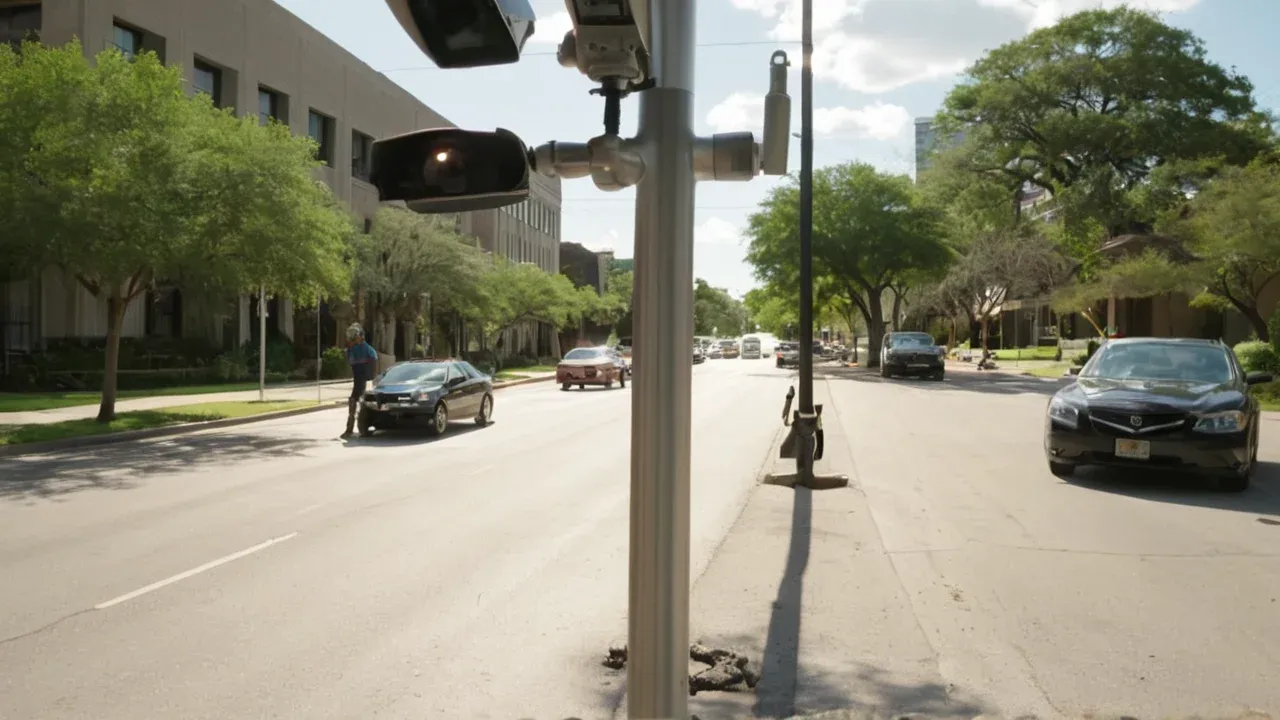
Officials confirmed that Flock had been collecting five years of traffic data, stripping identifying information, and repackaging that as a traffic analytics product to sell to cities. [1]yro.slashdot.orgHundreds More Flock Cameras Removed in the US This Week. Flock Caught Repackaging Traffic DataOpen the source to inspect the supporting evidence.Open source ↗ Slashdot reported this disclosure as the "new reason" for the cancellations, distinguishing it from earlier concerns about privacy or efficacy. The practice raised serious questions about the integrity of the public-private partnership model that underpinned the deployment of these cameras.
Cities had installed these cameras with the explicit promise of enhanced public safety, relying on Flock to handle the complex logistics of data storage and analysis. The discovery that the company was monetizing this data, even if anonymized, suggested a conflict of interest that compromised the original agreement. The stripping of identifying information did not alleviate concerns, as the sheer volume and granularity of the data could still reveal patterns of movement and behavior. This exposure has led to a fundamental reassessment of the value proposition offered by Flock Safety, with many municipalities questioning whether the security benefits outweigh the risks of corporate data exploitation.
The repackaging of data was the "new reason" for the recent cancellations, as noted by Slashdot, highlighting a shift in public and political perception. [1]yro.slashdot.orgHundreds More Flock Cameras Removed in the US This Week. Flock Caught Repackaging Traffic DataOpen the source to inspect the supporting evidence.Open source ↗ The revelation has fueled a narrative that Flock Safety was acting as a data broker, leveraging public infrastructure for private gain. This perception has eroded the legitimacy of the company’s operations, making it politically untenable for officials to continue supporting its technology. The controversy has also sparked broader discussions about the ethics of commercial surveillance and the need for stricter regulations on how private companies handle data collected from public spaces.
Compass Predictive Analytics

Florida’s Political Decree
Florida Governor Ron DeSantis announced the revocation of all law enforcement license-plate-recognition camera permits on state highways. [2]motherjones.comFlock Is Canceled—And Its Competitors Are ProfitingOpen the source to inspect the supporting evidence.Open source ↗ The order mandates that all such cameras be removed by the end of September, marking a decisive break from the state’s previous support for ALPR technology. [2]motherjones.comFlock Is Canceled—And Its Competitors Are ProfitingOpen the source to inspect the supporting evidence.Open source ↗ DeSantis cited concerns about creating a "digital AI surveillance state where everything we’re doing is being tracked at all times," framing the decision as a protection of civil liberties against overreach. [2]motherjones.comFlock Is Canceled—And Its Competitors Are ProfitingOpen the source to inspect the supporting evidence.Open source ↗ This move has been widely reported by Mother Jones, which contextualized the announcement within the broader trend of Flock contracts being cancelled and competitors profiting from the vacuum.
The governor’s statement emphasized the ideological opposition to pervasive monitoring, aligning with conservative principles of limited government intrusion. By characterizing the situation as a threat to a "digital AI surveillance state," DeSantis has positioned the removal of Flock cameras as a defense of individual freedom rather than a rejection of law enforcement tools. This framing has resonated with a segment of the Republican base that is skeptical of government expansion, particularly when it involves technology that can be used to track citizens’ movements. The decision also serves as a political signal to voters that the administration is vigilant against potential abuses of power.
The timeline for removal is strict, with the end of September serving as a hard deadline. This urgency suggests that the state government is eager to distance itself from the controversy and demonstrate a commitment to privacy. The revocation of permits is a legal mechanism that forces compliance, ensuring that the cameras cannot continue to operate under existing authorizations. This approach has been effective in other contexts, where regulatory pressure has forced companies to alter their practices or exit markets. In Florida, the result is a significant reduction in the state’s surveillance capacity, at least in the short term.
Compass Predictive Analytics
Texas Funding Halt and Bipartisan Backlash
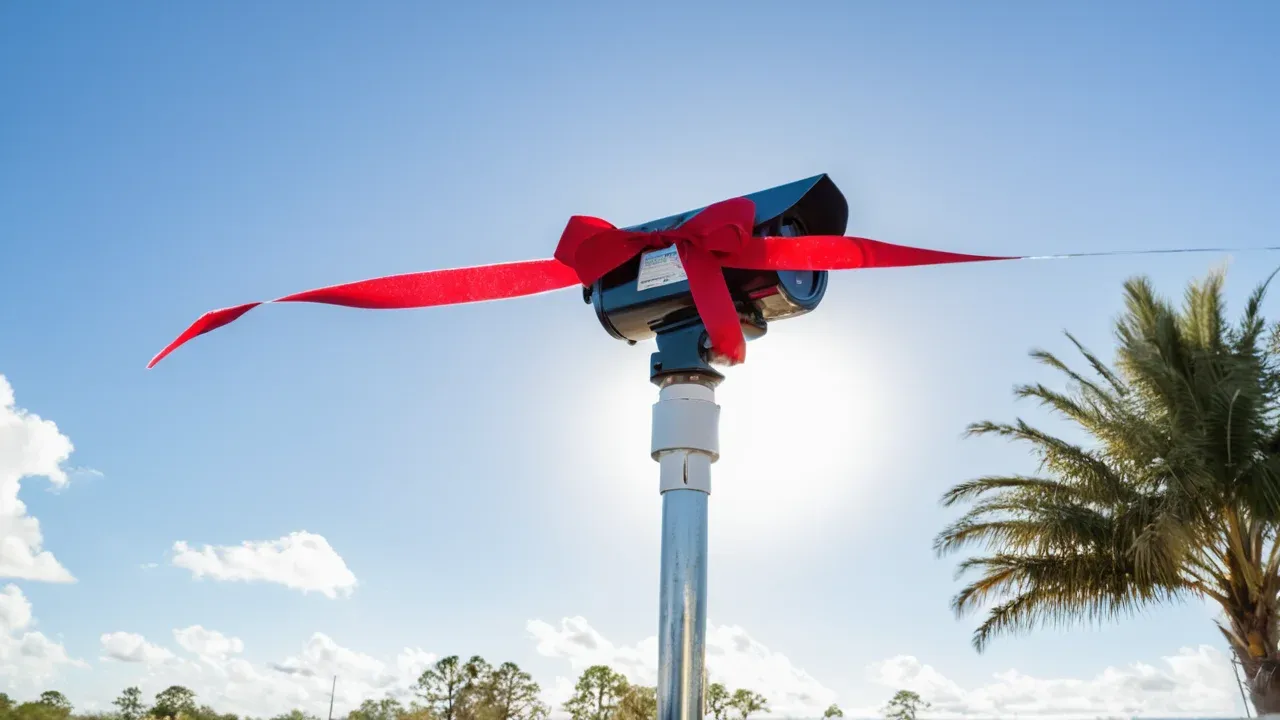
Prior to Florida’s announcement, Texas Governor Greg Abbott directed police departments to stop spending state money on Flock Safety cameras. [3]techcrunch.comFlorida and Texas move to block Flock cameras over privacy concernsOpen the source to inspect the supporting evidence.Open source ↗ TechCrunch reported this action, which preceded Florida’s move by days, indicating a coordinated or at least synchronized response among conservative leaders to the emerging crisis. [3]techcrunch.comFlorida and Texas move to block Flock cameras over privacy concernsOpen the source to inspect the supporting evidence.Open source ↗ Abbott’s directive effectively froze the funding for these cameras, leaving many departments without the financial support needed to maintain them. This move has been particularly impactful in Texas, where Flock cameras had been widely deployed in both urban and rural areas.
The Texas action has been highlighted by Political Wire, which noted that "Law-and-Order Republicans" are turning against the cameras. [4]politicalwire.comLaw-and-Order Republicans Turn Against Flock CamerasOpen the source to inspect the supporting evidence.Open source ↗ This shift is significant because it challenges the typical political alignment on surveillance technology, where conservatives are often seen as more supportive of police powers. The reversal suggests that the specific issues raised by Flock’s practices, particularly the repackaging of data, have crossed partisan lines. It indicates that concerns about corporate exploitation and privacy are now paramount, even for those who traditionally prioritize law enforcement capabilities.
The bipartisan nature of the backlash is a key feature of this episode. [4]politicalwire.comLaw-and-Order Republicans Turn Against Flock CamerasOpen the source to inspect the supporting evidence.Open source ↗ While Democrats have long criticized ALPRs for their potential to enable racial profiling and mass surveillance, the current wave of cancellations is driven largely by Republicans. This dynamic underscores the political sensitivity of the issue and the vulnerability of companies that rely on government contracts. The backlash has been fueled by reports of abuse by law enforcement, as noted in Flock Safety’s announcement of new guardrails after dozens of reports of law enforcement abuse. [8]abcnews.comFlock announces security changes after dozens of reports of law enforcement abuseOpen the source to inspect the supporting evidence.Open source ↗ These reports have added to the pressure on officials to act, as the public perception of the technology has deteriorated.

The Broader Implications for Surveillance Policy
The removal of Flock cameras in Texas and Florida signals a significant shift in the political acceptability of ALPR technology. [6]msn.comFlock cameras were supposed to fight crime, now Florida and Texas want them off the streetsOpen the source to inspect the supporting evidence.Open source ↗ The specific trigger in Florida appears to be the exposure of Flock’s data practices, which undermined trust even among conservative law-and-order advocates. This suggests that privacy concerns are now crossing traditional partisan lines, particularly when commercial exploitation of surveillance data is exposed. The rapid removal of these cameras indicates that the benefits of such technology are being weighed more heavily against the risks of privacy invasion and corporate misconduct.
The implications for the surveillance industry are profound. Flock Safety’s competitors are already profiting from the cancellations, as reported by Mother Jones, suggesting that the market will quickly adjust to fill the void. [2]motherjones.comFlock Is Canceled—And Its Competitors Are ProfitingOpen the source to inspect the supporting evidence.Open source ↗ [6]msn.comFlock cameras were supposed to fight crime, now Florida and Texas want them off the streetsOpen the source to inspect the supporting evidence.Open source ↗ However, the broader industry may face increased scrutiny and regulation as a result of this episode. The exposure of Flock’s practices has raised questions about the transparency and accountability of private companies that operate in the public sphere. It has also highlighted the need for clearer legal frameworks governing the collection, storage, and sale of data derived from public surveillance.
The political fallout extends beyond Texas and Florida. At least a dozen Wisconsin police agencies have announced Flock suspensions, as reported in a separate analysis, demonstrating that the trend is national. [5]jsonline.comA dozen Wisconsin police agencies announce Flock suspensionsOpen the source to inspect the supporting evidence.Open source ↗ These suspensions were triggered by learning that the company had repackaged traffic data and exposed search records from active investigations. [5]jsonline.comA dozen Wisconsin police agencies announce Flock suspensionsOpen the source to inspect the supporting evidence.Open source ↗ The combination of data repackaging and security lapses has created a perfect storm of distrust. The incident serves as a cautionary tale for other surveillance technology providers, emphasizing the importance of ethical data practices and transparent governance.
Conclusion and Future Outlook
The current wave of Flock camera removals marks a decisive moment in the history of public surveillance in the United States. The convergence of political pressure, corporate misconduct, and public backlash has forced a retreat from the aggressive expansion of ALPR networks. The actions of Governor DeSantis and Governor Abbott have set a precedent for other states to follow, potentially leading to a nationwide reduction in the use of such technology. [6]msn.comFlock cameras were supposed to fight crime, now Florida and Texas want them off the streetsOpen the source to inspect the supporting evidence.Open source ↗ [8]abcnews.comFlock announces security changes after dozens of reports of law enforcement abuseOpen the source to inspect the supporting evidence.Open source ↗ The emphasis on privacy and the rejection of commercial data exploitation reflect a growing awareness of the risks associated with pervasive surveillance.
The future of surveillance technology will likely be shaped by these events. Policymakers will need to balance the benefits of public safety tools with the imperative to protect individual privacy. The exposure of Flock’s practices has demonstrated that corporate interests can conflict with public trust, necessitating stricter oversight and regulation. [9]wiscnews.comWisconsin agencies suspend Flock cameras over data concernsOpen the source to inspect the supporting evidence.Open source ↗ The bipartisan nature of the backlash suggests that this is not a temporary political trend but a fundamental shift in public sentiment. As other states consider their own policies, the lessons from Texas and Florida will be paramount.
The cancellations stand as a political statement about the boundaries of state power and corporate responsibility. [7]chron.comFlock cameras are rapidly disappearing across Texas. Here's whereOpen the source to inspect the supporting evidence.Open source ↗ [8]abcnews.comFlock announces security changes after dozens of reports of law enforcement abuseOpen the source to inspect the supporting evidence.Open source ↗ The decisive actions taken by conservative leaders have validated the concerns of privacy advocates and challenged the narrative that surveillance technology is inherently beneficial. The focus now shifts to rebuilding trust and establishing new standards for the deployment of surveillance tools. The episode serves as a reminder that technology must serve the public interest, not private gain, and that accountability is essential for the legitimacy of any surveillance program. The end of September deadline in Florida will serve as a tangible marker of this shift, as the physical removal of cameras symbolizes the rejection of a digital surveillance state.