Listen to this article
Narrated by Charlotte · The Noble House

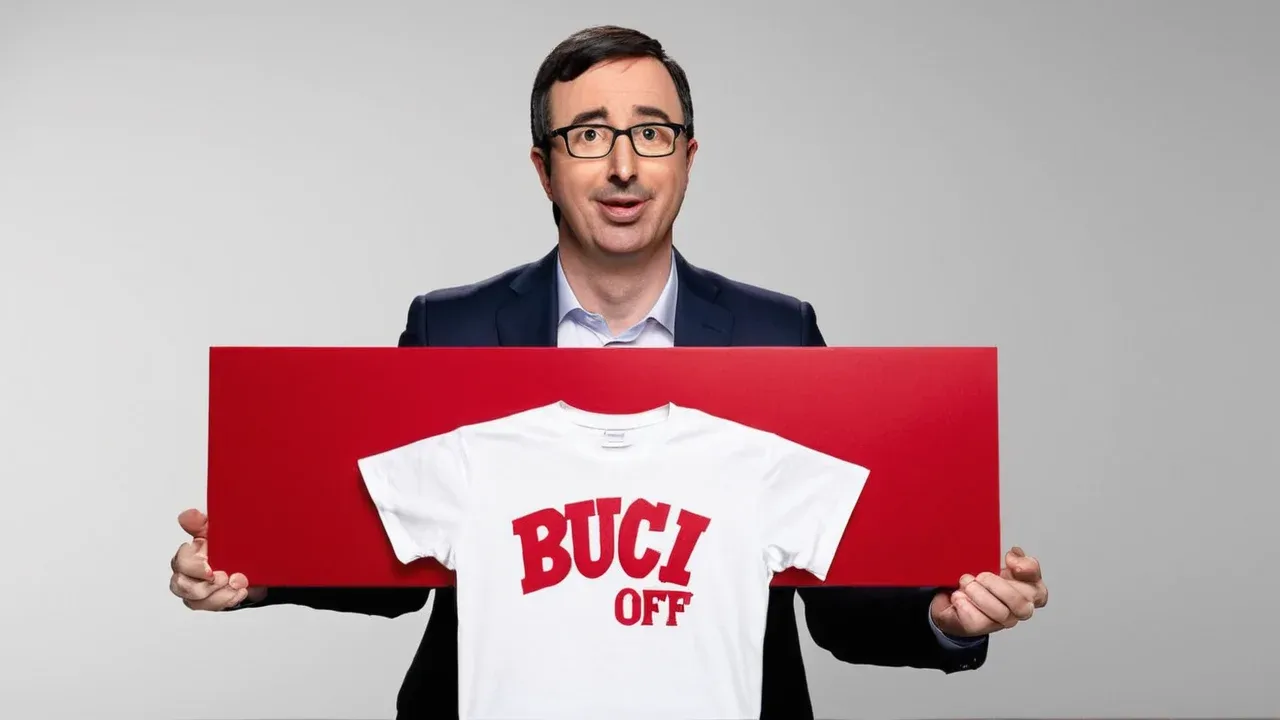
Last Week Tonight’s studio lights dimmed, leaving only the glow of a monitor displaying a beaver logo. John Oliver leaned into the camera, holding up a t-shirt that read "Buc-Off." It was merchandise, but it was also a legal trigger. He had spent weeks constructing a trap for Buc-ee’s, the Texas convenience store empire known for its aggressive protection of its beaver mascot. Oliver dared the company to sue him for trademark infringement, betting that their pride would outweigh their caution. The stakes were high for both parties. For Oliver, it was a test of comedic leverage against corporate power. For Buc-ee’s, it was a choice between enforcing a legal right and protecting a brand built on friendliness. The resulting conflict revealed a harsh truth: in the court of public opinion, legal correctness is often irrelevant if the strategy appears bullying.
The Mechanics of the Provocation
The "Buc-Off" merchandise was not a spontaneous joke but a calibrated instrument of pressure. Oliver understood that trademark law requires owners to police their marks to maintain them. By creating a parody that was visually close yet legally distinct, he forced Buc-ee’s into a bind. If the company sued, it would look like a giant crushing a comedian, validating the narrative of corporate overreach. If it ignored the parody, it risked setting a precedent for trademark dilution. This dynamic is a classic example of strategic provocation in intellectual property law [1]youtube.comWhy John Oliver Dared Disney and Buc-ee's to Sue HimOpen the source to inspect the supporting evidence.Open source ↗.
Oliver’s segment aired with the specific intent of testing the company’s resolve. He highlighted the absurdity of trademark law, where a company can own specific logos but not the general concept of a friendly cartoon animal. While Buc-ee’s owns the rights to its specific beaver mascot and branding, it does not own the idea of a beaver or the concept of a convenience store mascot. Oliver exploited this gap, creating a parody that was close enough to be annoying but distinct enough to be defensible. The "Buc-Off" merchandise served as tangible bait, designed to trigger a legal response that would be scrutinized under the harsh light of public opinion. Reports confirm that John Oliver dares Buc-ee's to sue him with 'Buc-Off' challenge, detailing the launch of the merchandise and the specific nature of the dare [4]usatoday.comJohn Oliver dares Buc-ee's to sue him with 'Buc-Off' challengeOpen the source to inspect the supporting evidence.Open source ↗. The segment was a calculated move to shift the narrative from a legal dispute to a cultural commentary on corporate overreach.
Compass Predictive Analytics
Compass Predictive Analytics

The Strategic Pivot to Beaver’s Mini Mart
The critical moment arrived when Buc-ee’s decided how to respond. Contrary to Oliver’s expectations, the company did not sue him. Instead, Buc-ee’s targeted Beaver’s Mini Mart, a small family-owned carryout in Ohio. This decision was widely analyzed as a strategic pivot to avoid the publicity trap. By suing a small, local business, Buc-ee’s attempted to enforce its trademark without engaging in a high-profile legal battle with a major media figure. The company argued that Beaver’s Mini Mart was infringing on its trademark by using a cartoon beaver logo that was too similar to its own. This action was consistent with Buc-ee’s history of aggressive trademark enforcement, but it was also a calculated move to sidestep the media storm Oliver had engineered.
The choice to sue Beaver’s Mini Mart rather than John Oliver was driven by risk assessment. A lawsuit against Oliver would have guaranteed negative publicity, with Oliver likely turning the legal proceedings into another segment of his show. By targeting a small business, Buc-ee’s hoped to enforce its rights quietly. However, this strategy backfired publicly. The decision to sue a family-owned carryout was perceived as disproportionate and bullying. It reinforced the narrative that Buc-ee’s was a "beaver bully," as described by various commentators. The public reaction was swift and severe, with many viewing the lawsuit as an attack on small entrepreneurs rather than a legitimate protection of intellectual property. This shift in target highlighted the dilemma Buc-ee’s faced: it could not win the public relations war by engaging Oliver, but it also could not ignore the infringement without risking legal precedent. The pivot to Beaver’s Mini Mart was an attempt to control the narrative, but it ultimately failed to do so. John Oliver Dared Buc-Ee's To Sue. It Sued A Family Carryout Instead. captures the essence of this counterintuitive legal move [2]forbes.comJohn Oliver Dared Buc-Ee's To Sue. It Sued A Family Carryout Instead.Open the source to inspect the supporting evidence.Open source ↗.
Compass Predictive Analytics
Public Perception and Corporate Reputation
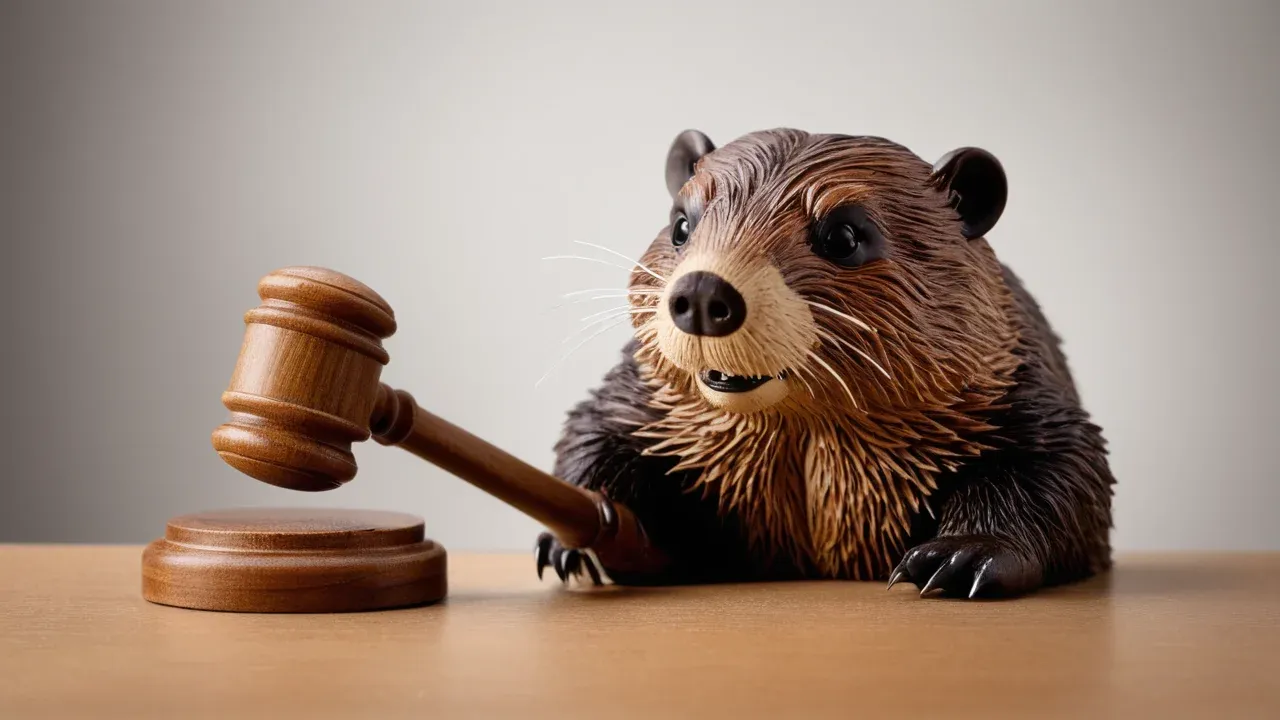
The public reaction to Buc-ee’s legal choices was overwhelmingly negative. Forbes and Reddit discussions highlighted that the strategy of suing small businesses damaged the company’s public image more than the parody merchandise ever could. The "Buc-Off" merchandise was seen as a harmless parody, protected by fair use principles. In contrast, the lawsuit against Beaver’s Mini Mart was viewed as an abuse of power. The public perception of Buc-ee’s shifted from a beloved regional brand to a litigious corporation that threatened small businesses. This reputational damage is significant for a company whose brand identity is built on friendliness and hospitality. The lawsuit against Beaver’s Mini Mart undermined the very image that Buc-ee’s had cultivated for decades.
Legal experts noted that while Buc-ee’s had a legal right to enforce its trademarks, the public perception of such enforcement is often disconnected from legal reality. The company owns specific trademarks, but it does not own the general concept of a friendly cartoon animal. This distinction was lost in the public discourse, where the focus was on the perceived injustice of suing a small business. The narrative of the "beaver bully" became entrenched, driven by the contrast between Oliver’s playful parody and Buc-ee’s aggressive legal action. The public reaction demonstrated that in the modern media landscape, corporate legal strategies are subject to intense scrutiny. A lawsuit that is legally sound can still be a public relations disaster if it is perceived as unjust or disproportionate. Buc-ee’s miscalculated the public’s willingness to forgive aggressive enforcement, especially when targeted at a sympathetic small business. Experts have pointed out that What John Oliver Gets Right, And Wrong, About Buc-ee's regarding the brand's vulnerability to such perception shifts [3]forbes.comWhat John Oliver Gets Right, And Wrong, About Buc-ee'sOpen the source to inspect the supporting evidence.Open source ↗.
Compass Predictive Analytics
The Legal and Cultural Implications
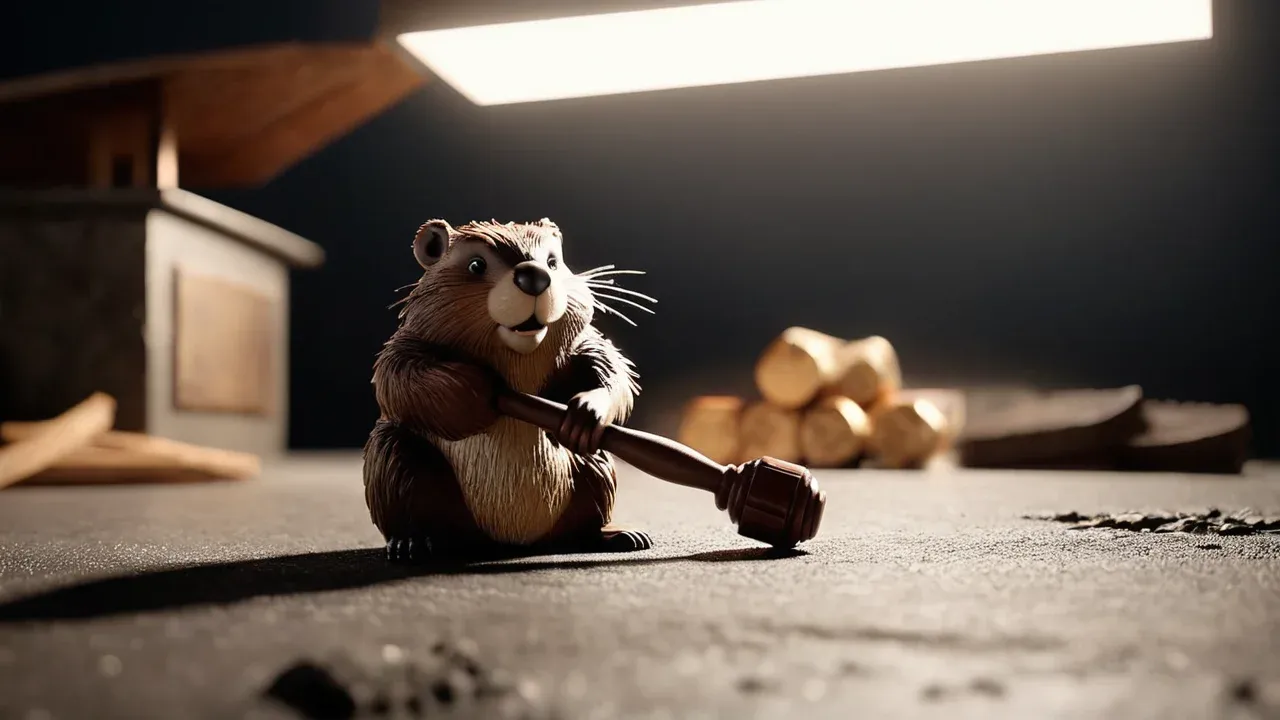
The conflict between John Oliver and Buc-ee’s has broader implications for trademark law and corporate communications. It highlights the tension between legal rights and public perception. Companies must balance the need to protect their intellectual property with the risk of damaging their brand image. Oliver’s segment demonstrated that media personalities can effectively challenge corporate authority by framing legal disputes in cultural terms. The "Buc-Off" challenge served as a critique of trademark law’s potential for abuse. By daring Buc-ee’s to sue him, Oliver forced the company to reveal its enforcement priorities. The decision to sue Beaver’s Mini Mart instead of Oliver exposed the company’s vulnerability to public opinion.
The case also underscores the power of parody in intellectual property disputes. Parody is a protected form of speech under fair use, but it can still trigger legal action. Oliver’s segment showed that parody can be a powerful tool for holding corporations accountable. The public reaction to the "Buc-Off" merchandise was largely supportive of Oliver, viewing it as a legitimate critique of corporate overreach. This support contrasted sharply with the reaction to the lawsuit against Beaver’s Mini Mart. The cultural implications of this conflict are significant. It suggests that corporations cannot rely solely on legal rights to protect their brands. They must also manage their public image and consider the social context of their legal actions. The case serves as a warning to other companies that aggressive trademark enforcement can have unintended consequences in the court of public opinion. A deeper look at Everyone's Wrong About John Oliver's Trademark War provides context on the broader legal war involving these parties [5]youtube.comEveryone's Wrong About John Oliver's Trademark WarOpen the source to inspect the supporting evidence.Open source ↗.
The history of Buc-ee’s aggressive enforcement is often cited in this context, with commentary on Lawsuit after Lawsuit, the Beaver Bully - Buc-ee's illustrating the pattern of behavior that led to this backlash [6]youtube.comLawsuit after Lawsuit, the Beaver Bully - Buc-ee'sOpen the source to inspect the supporting evidence.Open source ↗. Public discussion on Reddit regarding John Oliver is going after Buc-ee's with 'Buc-Off' merch reflects the grassroots support for the comedian’s strategy [7]reddit.comJohn Oliver is going after Buc-ee's with 'Buc-Off' merchOpen the source to inspect the supporting evidence.Open source ↗. Furthermore, reporting on John Oliver is taking aim at Buc-ee's over its wave of mascot lawsuits including the timeline of events clarifies the sequence of legal and media maneuvers [8]facebook.comJohn Oliver is taking aim at Buc-ee's over its wave of mascot lawsuitsOpen the source to inspect the supporting evidence.Open source ↗.
Compass Predictive Analytics

Conclusion
The conflict between John Oliver and Buc-ee’s is a definitive example of how media provocation can expose the vulnerabilities of corporate legal strategy. Oliver’s "Buc-Off" challenge was a calculated trap designed to force Buc-ee’s into a public relations disaster. The company’s decision to sue Beaver’s Mini Mart instead of Oliver was a strategic pivot that ultimately failed. It reinforced the narrative of Buc-ee’s as a bully and damaged its brand image. The case demonstrates that in the modern media landscape, legal rights are not enough to protect a corporation’s reputation. Companies must navigate the complex interplay between legal enforcement and public perception. Oliver’s segment succeeded in its goal: it forced Buc-ee’s to reveal the harsh reality of its trademark enforcement and exposed the limits of its brand’s immunity to criticism. Corporate legal strategies must be aligned with public sentiment to avoid severe reputational damage. Buc-ee’s failed to do so, and the cost was significant. The case stands as a cautionary tale for corporations that rely on aggressive legal tactics without considering the cultural context. Oliver’s dare constituted a successful critique of corporate power.
Compass Predictive Analytics