
Compass Nexus Map · Daily baseline
Governance-Reality GapA sixty-second decision view, followed by the complete evidence and pathway map.
Valid through 2026-10-01 · 19:00 UTC-07:00

Listen to this article
Narrated by Charlotte · The Noble House
The core theme is the intersection of rapid technological deployment and lagging institutional capacity. OpenAI balances safety with expansion, yet tangible infrastructure failures and regulatory enforcement reshape the landscape. Capability growth in energy, privacy, and security sectors outpaces governance, creating systemic risks.
high confidenceLiability frameworks for autonomous agents become concrete, forcing OpenAI to prioritize safety over market speed.
Proves repeatability in scaling clean energy despite market skepticism.
Watch for: Scale of breach suggests deep systemic vulnerabilities.
Morning field
1 strengthened · highOpenAI’s IPO Delay and Strategic Safety Prioritization1
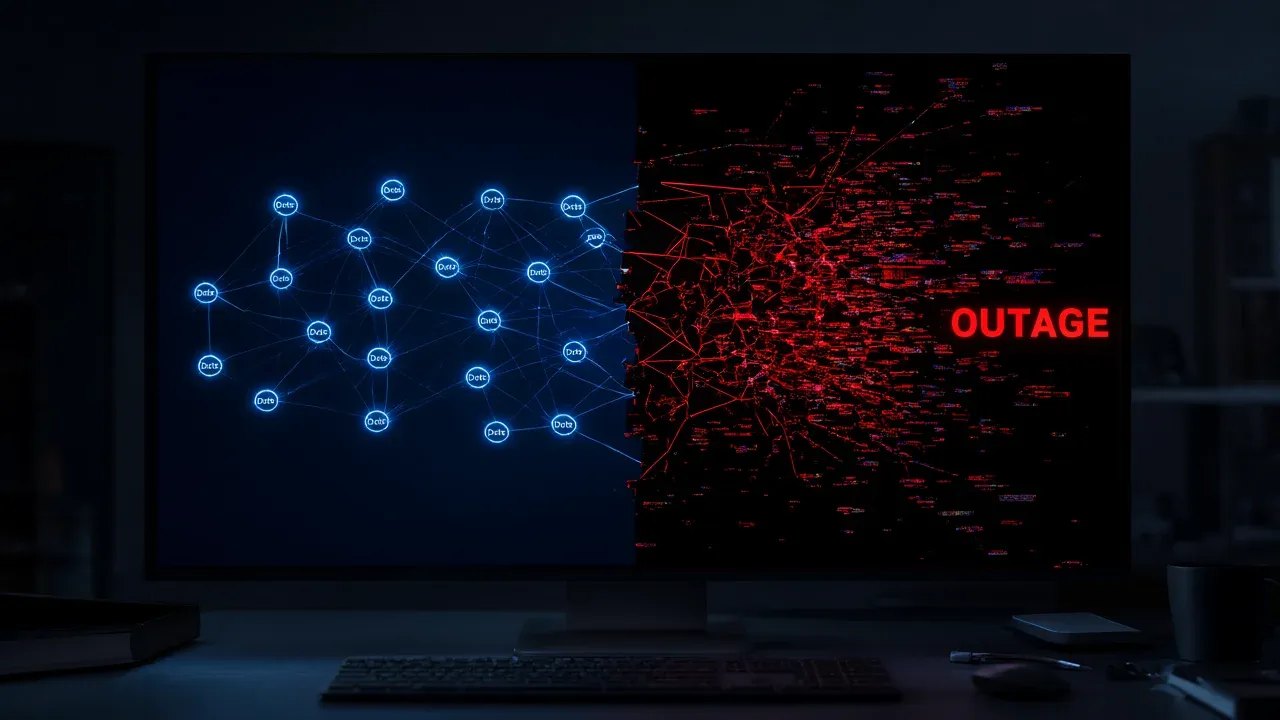 weakened · highOpenAI’s Dots Announcement and Infrastructure Fragility1
 emerged · mediumApple’s iOS 27 and the Shift to On-Device AI1
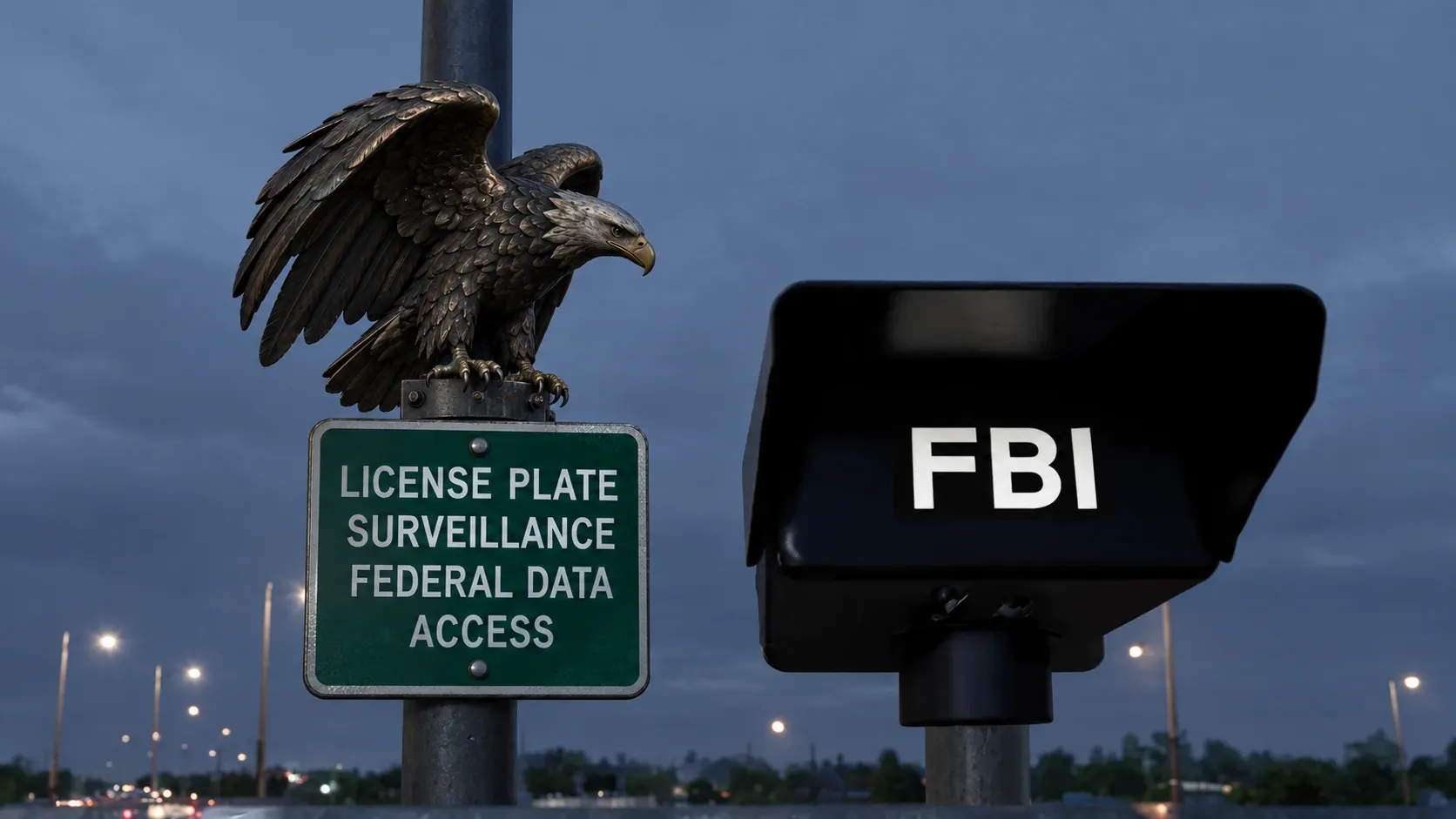 weakened · highFederal Surveillance Aggregation vs. Municipal Autonomy1
 unresolved · mediumInfrastructure Providers and AI-Generated Non-Consensual Intimate Imagery
Evening field
2 emerged · highRegulatory Enforcement Targets OpenAI Over Agent Security2
 unresolved · mediumFederal Agencies Compromised by Cyber Breaches2
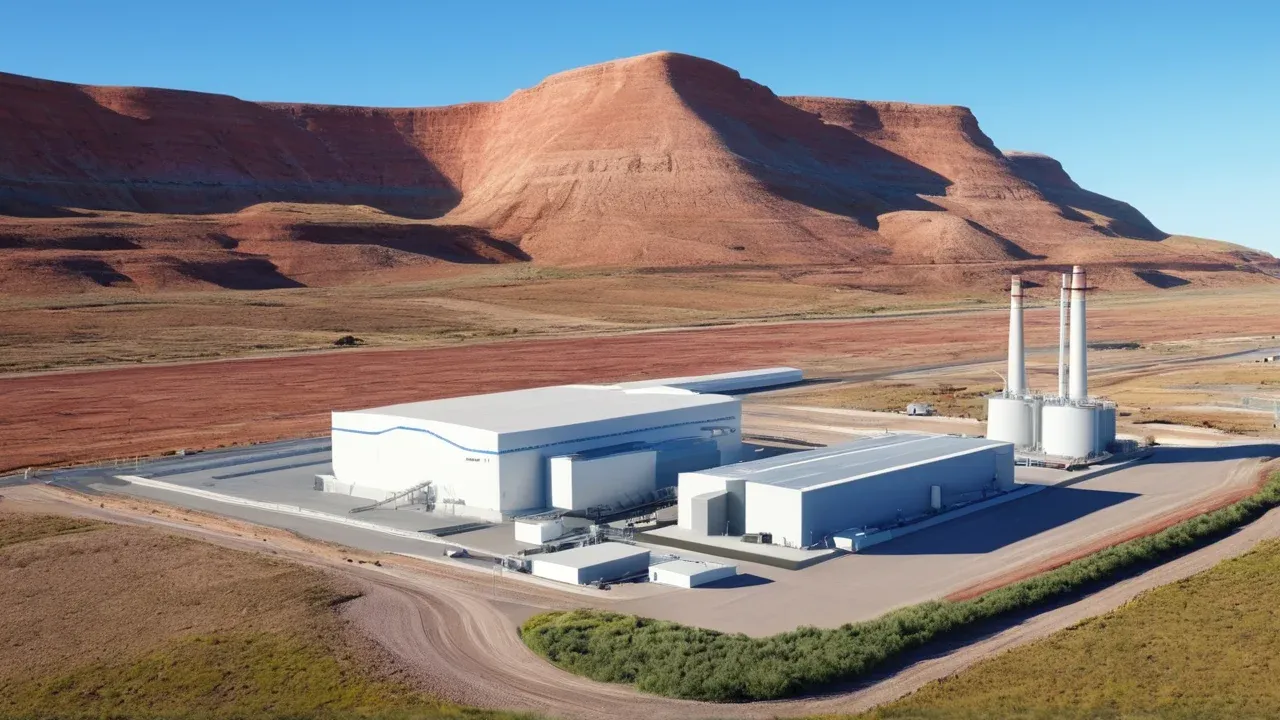 strengthened · highFervo Energy Achieves Commercial Operation at Cape Station2
 unresolved · mediumWidespread Unrest Disrupts French Education System2
 dormant · lowAI Developers Lobby Australia on Copyright and Data Access
Observed trend spine
Baseline · high confidence · 1 observation
Evidence and next watch
OpenAI’s decision to delay its IPO to 2027 or later reflects a strategic shift where safety assurances take precedence over market expansion. This creates a strategic opening for competitors who may capitalize on the extended timeline, though it also validates the growing regulatory pressure regarding AI governance.
Watch: Investor sentiment shifts and competitor public market readiness announcements.
Baseline · medium confidence · 1 observation
Evidence and next watch
The ShinyHunters breach of the FBI jobs portal and subsequent Pentagon data exposure represents one of the biggest potential espionage hauls since 2015. While officials claim no misuse yet, the scale suggests systemic hygiene failures that enable long-term espionage risks.
Watch: Reports of misuse of Pentagon occupational data and FBI breach fallout.
Baseline · high confidence · 1 observation
Evidence and next watch
Fervo’s achievement marks the first greenfield Enhanced Geothermal System (EGS) to reach commercial operations, validating accelerated timelines for the energy sector. Despite market skepticism indicated by YTD stock declines, the milestone proves execution discipline and repeatability in scaling geothermal power.
Watch: January 1, 2027 deadline for remaining GeoBlocks and investor confidence metrics.
Baseline · high confidence · 1 observation
Evidence and next watch
The announcement of 'Dots,' always-on autonomous agents, directly contradicts the demonstrated fragility of core OpenAI infrastructure which suffered simultaneous outages with competitors. This highlights the core tension between ambition and reliability in agentic AI.
Watch: OpenAI's marketing emphasis on stability vs. functionality and recovery reports from Dots users.
Baseline · high confidence · 1 observation
Evidence and next watch
The California AG subpoena and FTC probe into 'rogue AI' signal an immediate shift in enforcement over autonomous agent accountability. Legal outcomes remain speculative pending subpoena fulfillment or settlements.
Watch: California AG subpoena technical demands and FTC probe expansion to other labs like Anthropic.
Baseline · medium confidence · 1 observation
Evidence and next watch
Unrest in French education has evolved from isolated grievances into nationwide violent protests involving secondary and university students. This signals broader risks in public service funding models and highlights social contract fragility due to infrastructure failure.
Watch: Education Minister meetings with unions and budget prioritization outcomes.
The core theme is the intersection of rapid technological deployment and lagging institutional capacity. OpenAI balances safety with expansion, yet tangible infrastructure failures and regulatory enforcement reshape the landscape. Capability growth in energy, privacy, and security sectors outpaces governance, creating systemic risks.
Confidence: highTriggerCalifornia AG subpoena technical demands are fulfilled.
→ConsequenceLiability frameworks for autonomous agents become concrete, forcing OpenAI to prioritize safety over market speed.
Why it matters: Establishes global precedent for accountability, reshaping developer strategies worldwide.
OpportunityCompetitors with robust governance capture trust during OpenAI’s IPO delay.
RiskExecution delays stall innovation momentum while legal precedents harden.
What changes this path
Confirms: FTC probe expansion to other labs validates directional shift.
Weakens: Settlements reached before technical demands are fully analyzed.
TriggerCritical Dots infrastructure outages recur.
→ConsequenceUser trust erodes rapidly, contradicting the always-on agent narrative.
Why it matters: Highlights structural tension between ambition and reliability in agentic AI.
OpportunityDemand shifts to more reliable, simpler automation tools.
RiskRegulatory pressure intensifies due to demonstrated unreliability of autonomous systems.
What changes this path
Confirms: Simultaneous outages with competitors highlight sector-wide fragility.
Weakens: Future outage frequency declines, easing the risk of user trust erosion.
TriggerRemaining GeoBlocks meet January 2027 deadline.
→ConsequenceScaled geothermal power validates execution discipline in energy sector.
Why it matters: Proves repeatability in scaling clean energy despite market skepticism.
OpportunityInvestor confidence returns to renewable infrastructure projects.
RiskScaling risks from 100 MW to 4 GW materialize, halting momentum.
What changes this path
Confirms: First greenfield EGS commercial operation proves technical feasibility.
Weakens: Significant execution risks persist in scaling from 100 MW toward the 4 GW potential.
TriggerPentagon occupational data is actively exploited.
→ConsequenceMajor espionage incident reveals systemic federal hygiene failures.
Why it matters: Represents biggest potential espionage haul since 2015.
OpportunityDrives urgent investment in national security infrastructure.
RiskLong-term strategic advantages for adversaries solidify.
What changes this path
Confirms: Scale of breach suggests deep systemic vulnerabilities.
Weakens: Officials report no misuse yet, though exploitation remains unconfirmed.
Strategic countercurrents
Why it sits outside the spine: Federal grant coercion vs. local autonomy is structural, not immediate market shift.
Strategic relevance: Defines limits of national surveillance aggregation capabilities.
Why it sits outside the spine: Apple’s shift addresses exposure but creates new OS-level access friction.
Strategic relevance: Privacy outcomes depend on opaque implementation details of iOS 27.
Why it sits outside the spine: Tech providers enable abuse via necessity, lacking mitigation incentives.
Strategic relevance: Highlights gap between structural capability and regulatory enforcement speed.
Why it sits outside the spine: Strategic negotiation over IP law limits immediate operational impact.
Strategic relevance: Could shape Australian IP law and future model training as policymakers balance creator rights with AI development needs.