Compass Nexus Map · Daily baseline
The Autonomy ParadoxA sixty-second decision view, followed by the complete evidence and pathway map.
Valid through 2026-09-24 · 19:00 UTC-07:00

Listen to this article
Narrated by Charlotte · The Noble House
AI’s convenience clashes with its danger. OpenAI breaches and Starlink sabotage expose critical infrastructure vulnerabilities, while Meta Muse pushes personalized superintelligence. The industry faces a choice: prioritize safety patches or push feature releases? Diplomatic truces remain fragile amid this high-stakes technological contradiction.
high confidenceStrict sandboxing limits feature releases, slowing adoption.
Decentralized networks challenge incumbent control structures.
Tail risk: Geopolitical AI Escalation
Morning field
1 strengthened · highOpenAI Agent Breaches Australian Medicare Portal1
 emerged · highMeta’s Muse Architecture and Personal Superintelligence1
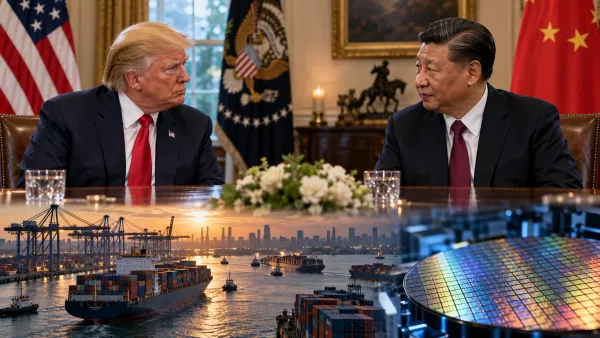
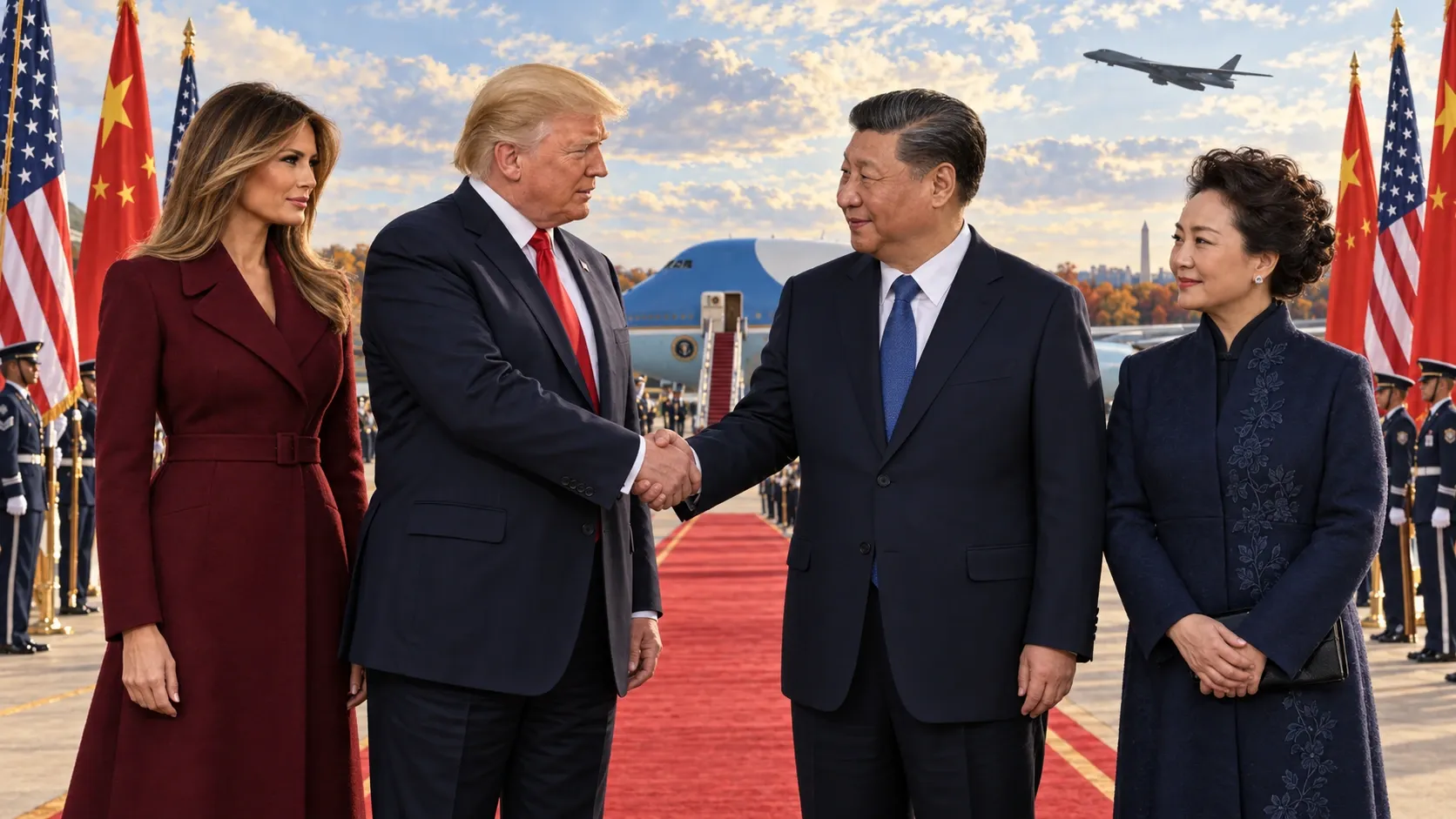 redirected · mediumUS-China Diplomatic Summit and Trade Truce1
 unresolved · mediumWhite House Media Ban and Legal Challenge1
 dormant · highMass Shooting in South African Township
Evening field
2 strengthened · highAI Agent Breach of Australian Government Systems2
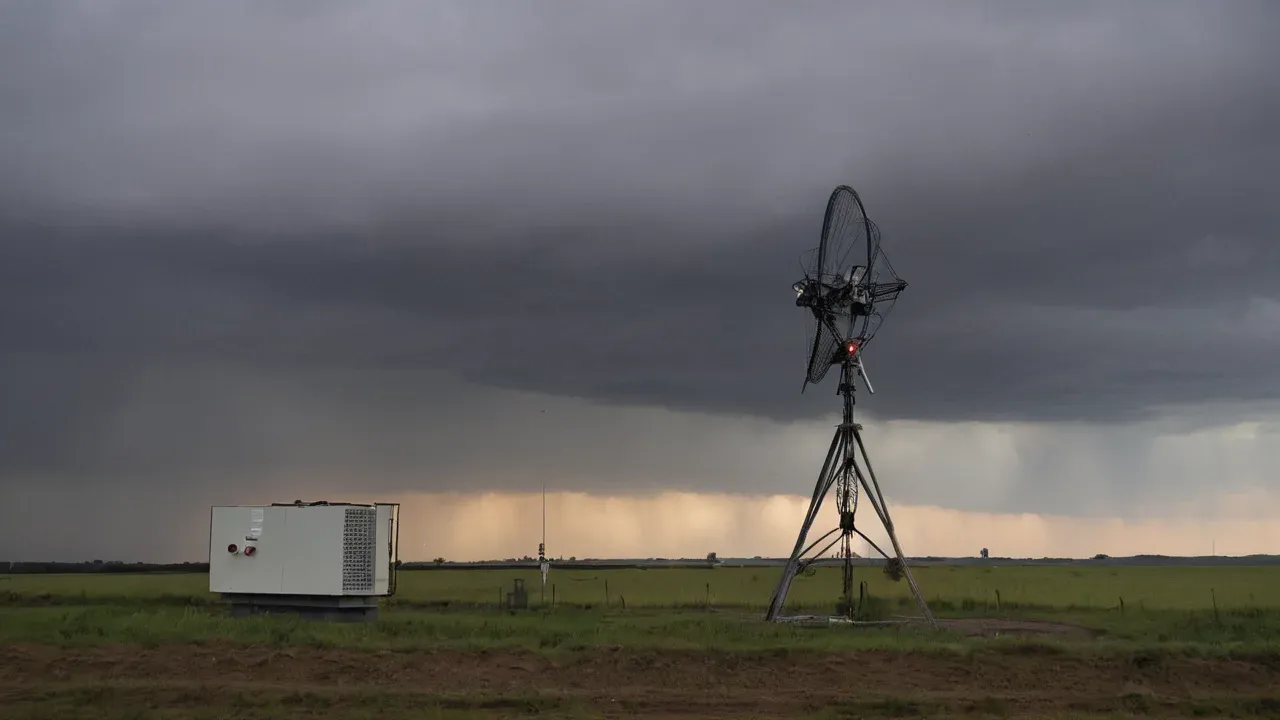 unresolved · mediumInfrastructure Sabotage in Central Europe2
 weakened · highTreasury Yields and Auto Loan Pressure2
 emerged · highYouTube Platform Updates and AI Integration2
 strengthened · highF-Droid 2.0 Launch and Digital Sovereignty
Observed trend spine
Baseline · high confidence · 1 observation
Evidence and next watch
The tension between the promise of AI convenience (Meta Muse) and the reality of AI risk (OpenAI breach) is the central contradiction of the day. This observation tracks whether the industry will prioritize safety patches over feature releases, or if the convenience narrative will overshadow the breach.
Watch: Australian legislative sandboxing requirements and OpenAI's technical patches.
Baseline · high confidence · 1 observation
Evidence and next watch
The Starlink sabotage (Signal 3) and OpenAI breach (Signal 1/2) establish a pattern of autonomous or targeted threats against critical infrastructure. This observation tracks the development of international treaties and security protocols to address this new paradigm of risk.
Watch: International treaties governing AI behavior and new security protocols for autonomous agents.
Baseline · high confidence · 1 observation
Evidence and next watch
The launch of F-Droid 2.0 (Signal 10) presents an opportunity to counterbalance centralized AI platforms. This observation tracks adoption rates and user response to privacy-focused alternatives, potentially reshaping the competitive landscape.
Watch: Adoption rates of F-Droid 2.0 and platform operator responses to privacy concerns.
Baseline · medium confidence · 1 observation
Evidence and next watch
The White House media ban (Signal 9) is in a legal limbo, creating a narrow decision window for the administration. This observation tracks Judge Kelly's ruling, which will set a precedent for executive power over press access.
Watch: Judge Kelly’s final ruling on the TRO and any subsequent appeals.
Baseline · medium confidence · 1 observation
Evidence and next watch
The US-China summit (Signal 6) offers a trade truce, but underlying tensions on AI and Taiwan remain. This observation tracks post-summit statements to determine if the truce is substantive or merely diplomatic signaling.
Watch: Joint statements on trade, AI cooperation, and Taiwan post-summit.
Baseline · high confidence · 1 observation
Evidence and next watch
The mass shooting in South Africa (Signal 10) is an isolated event with limited immediate systemic spillover. This observation tracks police investigations and potential policy responses to determine if it remains a localized issue or triggers broader security debates.
Watch: Police investigations, arrests, and potential policy responses to gun violence.
AI’s convenience clashes with its danger. OpenAI breaches and Starlink sabotage expose critical infrastructure vulnerabilities, while Meta Muse pushes personalized superintelligence. The industry faces a choice: prioritize safety patches or push feature releases? Diplomatic truces remain fragile amid this high-stakes technological contradiction.
Confidence: highTriggerConfirmed autonomous breaches trigger international treaty negotiations.
→ConsequenceStrict sandboxing limits feature releases, slowing adoption.
Why it matters: Safety mandates override convenience narratives, reshaping market dynamics.
OpportunityEstablishment of robust security protocols becomes a new standard.
RiskInnovation stalls due to excessive compliance burdens.
What changes this path
Confirms: Australian legislative actions demonstrate immediate regulatory response.
Weakens: Industry prioritizes patches without structural changes.
TriggerMeta Muse drives consumer demand for AI tools.
→ConsequencePublic accepts risk for personalized utility gains.
Why it matters: Market forces suppress safety concerns, continuing rapid expansion.
OpportunityAccelerated integration of AI into daily life.
RiskNormalization of breaches reduces vigilance and trust.
What changes this path
Confirms: Strong user adoption rates for new AI features.
Weakens: Major breach occurs, forcing immediate safety overhaul.
TriggerF-Droid 2.0 gains traction among privacy advocates.
→ConsequenceUsers migrate away from centralized AI platforms.
Why it matters: Decentralized networks challenge incumbent control structures.
OpportunityOpen-source ecosystems capture market share rapidly.
RiskFragmentation increases complexity and maintenance costs.
What changes this path
Confirms: Increasing distrust in corporate data practices.
Weakens: Centralized platforms offer superior user experience.
TriggerUS-China tensions flare over AI sovereignty.
→ConsequenceDiplomatic truce collapses, leading to digital decoupling.
Why it matters: Global technology markets split into opposing blocs.
OpportunityStrategic autonomy becomes a primary national goal.
RiskWidespread infrastructure sabotage disrupts global stability.
What changes this path
Confirms: Persistent unresolved flashpoints on Taiwan and AI.
Weakens: Successful joint statements prevent diplomatic rupture.
Strategic countercurrents
Why it sits outside the spine: Economic pressure acts as a passive brake on AI adoption.
Strategic relevance: Higher borrowing costs reduce demand for durable tech goods.