

Listen to this article
Narrated by Charlotte · The Noble House

Wholesale Inflation Reverses Disinflationary Trends
The warehouse floor in Houston held its breath in late August. Cranes idled, their chains slack against the humid Texas air, waiting for fuel that had suddenly become a luxury commodity. This was not a dry run for a recession. It was the real-time shudder of an economy hitting a wall. The Producer Price Index for final demand rose by 0.4 percent, a figure that aligns with consensus forecasts but signals a troubling acceleration in underlying costs [2]reuters.comUS producer prices increase as expected in AugustOpen the source to inspect the supporting evidence.Open source ↗[4]msn.comUS wholesale prices rose 0.4% in August, as expectedOpen the source to inspect the supporting evidence.Open source ↗. This monthly increase pushed the annual wholesale inflation rate to 5.4 percent, a significant jump from the 4.7 percent recorded in July [1]cnn.comWholesale inflation picked up in August, as energy costs kept risingOpen the source to inspect the supporting evidence.Open source ↗. This data point serves as a critical indicator leading into the Federal Reserve’s scheduled meeting on September 15 and 16, 2026 [3]bls.govProducer Price Index - 2026 M08 ResultsOpen the source to inspect the supporting evidence.Open source ↗. The timing of this report is not coincidental. It arrives just days before policymakers must decide whether to adjust interest rates in response to persistently elevated prices. The August PPI report highlights the vulnerability of the US economy to geopolitical shocks, specifically the ongoing conflict with Iran. The 0.4 percent monthly jump and the resulting 5.4 percent annual rate are significantly above the Fed’s comfort zone, suggesting that previous cooling trends have been effectively reversed by external events.
Compass Predictive Analytics

Geopolitical Shocks Drive Energy Costs
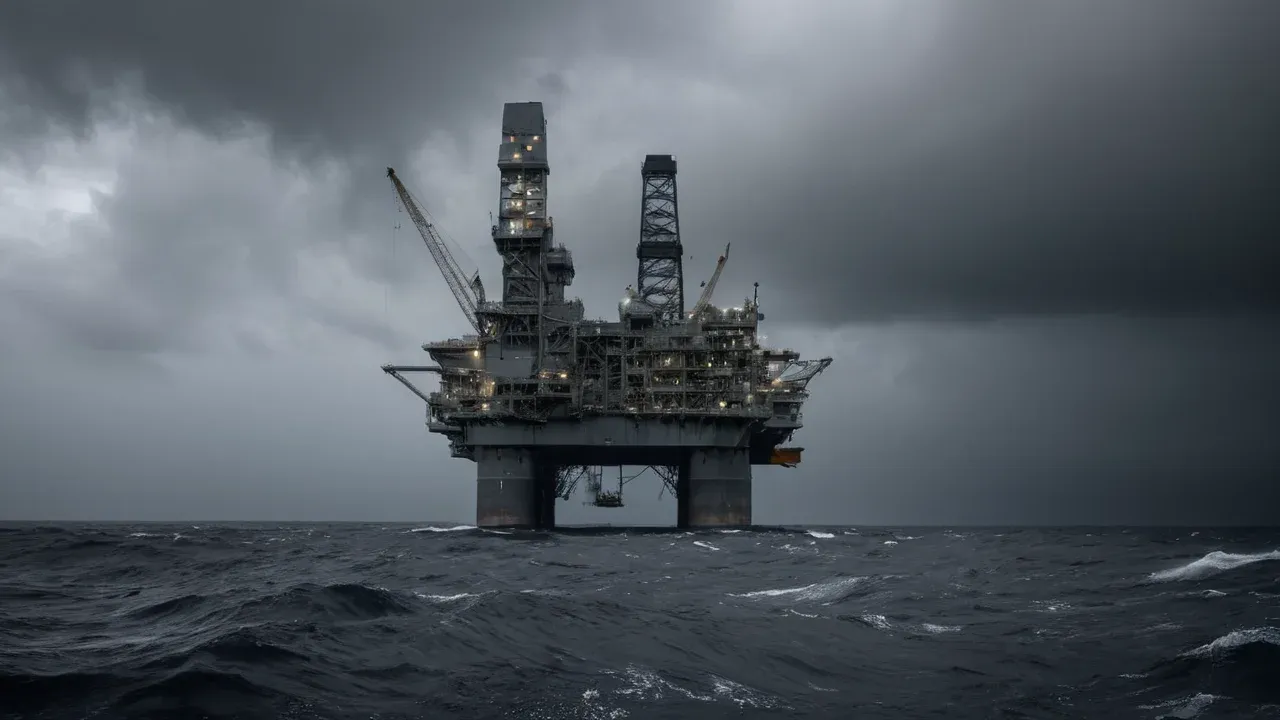
The primary catalyst for this inflationary spike is the escalation of the US-Iran conflict, which has directly impacted global energy markets. Brent crude oil prices surpassed the psychologically significant $100 per barrel threshold in early September 2026 [8]techtimes.comIran Oil Shock Spills Into Demand Inflation, Lifting Fed Rate-Hike OddsOpen the source to inspect the supporting evidence.Open source ↗. This surge in energy costs is the primary driver of the wholesale inflation spike observed in the latest data. The direct link to oil prices underscores the energy-inflation nexus, where rising fuel costs propagate through the supply chain, affecting everything from transportation to manufacturing inputs. The conflict between the US and Iran is directly cited as the catalyst for soaring oil prices, which in turn are flogging wholesale costs and keeping inflation elevated [10]marketwatch.comWholesale inflation stirred up by Iran war and high oil prices. What does it mean for the Fed?Open the source to inspect the supporting evidence.Open source ↗. This dynamic creates a difficult environment for the Federal Reserve, as energy prices are highly volatile and difficult to control through monetary policy alone. The war has disrupted supply chains and created uncertainty in global markets, leading to a sustained boost to headline inflation as estimated by researchers at the Dallas Fed [6]emergencyfundcalculator.comFed Rate Decision September 2026: Hike, Hold, or Cut? What to KnowOpen the source to inspect the supporting evidence.Open source ↗. The persistence of high oil prices means that the inflationary pressures are not transient but structural within the current geopolitical context.
Compass Predictive Analytics
Market Expectations for Federal Reserve Action
The Federal Reserve’s upcoming decision on September 16 will be heavily influenced by this data and the subsequent Consumer Price Index report expected later in September. Investors and analysts are watching the upcoming August CPI report for any upside surprises that could strengthen the case for a quarter-point rate hike. The combination of stubborn wholesale inflation and rising energy costs complicates the Fed's path to its 2 percent target. Market expectations lean toward at least one rate hike before the end of the year, with the September meeting being a critical juncture. J.P. Morgan Wealth Management strategists now expect the Federal Reserve to raise interest rates by 0.25 percentage points at its September meeting [5]chase.comWill the Fed hike rates in September? A 25-basis-point move is now expected amid energy shocksOpen the source to inspect the supporting evidence.Open source ↗. This marks a shift from prior base cases of no rate changes in 2026, reflecting the gravity of the current economic conditions. Two drivers lowered the bar for a September hike: continued supply-chain shocks tied to the ongoing Iran conflict that are keeping energy costs elevated. The odds of a Federal Reserve rate hike for September 2026 have surged to 73 percent, driven by the relentless climb in Brent crude prices [7]cnbc.comOdds of Federal Reserve rate hike surge as oil prices rip higherOpen the source to inspect the supporting evidence.Open source ↗. This market sentiment indicates that financial actors are pricing in a tighter monetary policy to combat the inflationary pressures emanating from the Middle East.
Compass Predictive Analytics

Implications for Monetary Policy and Stability
The implications of this inflationary environment extend beyond immediate interest rate decisions. The rise in PPI is described as the latest sign of stubborn inflation, suggesting that the Federal Reserve may need to maintain a hawkish stance for longer than previously anticipated [9]hngnews.comWholesale prices moved higher last month in latest sign of stubborn inflationOpen the source to inspect the supporting evidence.Open source ↗. The persistence of high wholesale prices raises concerns about second-round effects, where higher input costs are passed on to consumers, thereby sustaining headline inflation. The Fed must balance the need to curb inflation against the risk of triggering an economic slowdown. A rate hike is increasingly likely to combat these inflationary pressures, despite potential economic slowdown risks. The decision will likely involve a careful assessment of whether the inflation is temporary or persistent. Given the ongoing nature of the conflict, the Fed may view the inflation as persistent, necessitating a proactive response. The upcoming CPI report will provide further clarity on the extent to which energy costs are permeating the broader economy. If the CPI data mirrors the PPI trends, the case for a rate hike will become even more compelling. The Fed’s ability to anchor inflation expectations will be tested by these external shocks, requiring a nuanced approach that acknowledges the limits of monetary policy in addressing supply-side disruptions.
Compass Predictive Analytics

The Role of Energy in Economic Stability
The role of energy prices in this inflationary episode cannot be overstated. The surge in oil prices has not only affected wholesale costs but also consumer sentiment and business investment. High energy costs act as a tax on households and businesses, reducing disposable income and increasing operational expenses. This dynamic can lead to a reduction in economic activity, creating a stagflationary risk where inflation remains high while growth slows. The Fed must consider these broader economic implications when making its rate decision. The conflict between the US and Iran is directly cited as the catalyst for soaring oil prices, which in turn are flogging wholesale costs and keeping inflation elevated. This causal chain highlights the interconnectedness of global politics and economic stability. The Fed’s response will signal its tolerance for inflation in the face of external shocks. A failure to act decisively could undermine the Fed’s credibility and allow inflation expectations to become unanchored. Conversely, an overly aggressive response could exacerbate economic weaknesses. The delicate balance required in this situation underscores the complexity of modern central banking.
Future Trajectory and Policy Response
Looking ahead, the trajectory of inflation will depend heavily on the evolution of the Iran conflict and the resulting impact on oil prices. If the conflict de-escalates, oil prices may fall, providing some relief to wholesale inflation. However, if the conflict persists or intensifies, energy costs could remain elevated, sustaining inflationary pressures. The Fed will likely monitor these developments closely, adjusting its policy stance as new information becomes available. The August PPI report serves as a key indicator leading into this decision, providing a snapshot of the current inflationary environment. The 0.4 percent rise in PPI is a clear signal that the disinflationary progress of earlier in the year has stalled. The annual rate of 5.4 percent is well above the Fed’s target, indicating that significant work remains to restore price stability. The Fed’s decision on September 16 will be a pivotal moment in this ongoing struggle. It will reflect the institution’s assessment of the risks and its commitment to its dual mandate. The outcome will have far-reaching implications for financial markets, businesses, and households across the United States and beyond.
Global Context and Supply Chain Interconnectedness
The broader context of this inflationary episode includes the global nature of the energy market and the interconnectedness of supply chains. The US economy is not isolated from global shocks, and the Iran conflict has ripple effects that extend far beyond the Middle East. The surge in oil prices affects not only the US but also economies worldwide that rely on imported energy. This global dimension complicates the Federal Reserve’s task, as it must consider the international implications of its policy decisions. The Fed’s rate hike, if implemented, could strengthen the dollar, affecting trade balances and capital flows. These secondary effects must be weighed against the primary goal of controlling domestic inflation. The persistence of high wholesale prices suggests that the Fed may need to maintain a restrictive policy stance for an extended period. This could have significant implications for borrowing costs, mortgage rates, and business investment. The Fed must communicate its strategy clearly to manage market expectations and minimize economic disruption.
Conclusion: Navigating Geopolitical and Economic Challenges
In conclusion, the August 2026 PPI report reveals a US economy grappling with the lingering effects of geopolitical conflict. The 0.4 percent rise in wholesale prices, driven by soaring oil costs due to the Iran war, has reversed recent disinflationary trends. The annual inflation rate of 5.4 percent poses a significant challenge to the Federal Reserve’s 2 percent target. The upcoming Fed meeting on September 16 will be a critical test of the institution’s ability to respond to external shocks. Market expectations of a rate hike reflect the seriousness of the situation and the perceived need for tighter monetary policy. The Fed must balance the imperative to control inflation against the risks of slowing economic growth. The decision will likely involve a careful assessment of the persistence of inflationary pressures and the potential for further escalation in the Middle East. The outcome will shape the economic landscape for the remainder of 2026 and beyond. The Fed’s actions will signal its commitment to price stability and its ability to navigate complex geopolitical challenges. The path forward requires vigilance, adaptability, and a clear-eyed assessment of the risks. The Federal Reserve stands at a crossroads, where its decisions will have profound consequences for the stability of the US economy and the global financial system. The resolution of the Iran conflict remains the most significant variable, but the Fed must prepare for a range of scenarios. The August PPI data provides a stark reminder of the fragility of economic progress in the face of geopolitical turmoil. The institution’s response will define its legacy in this period of uncertainty. The decisive action taken in September will set the tone for the future, demonstrating the Fed’s resolve to uphold its mandate despite external pressures. The era of easy money is firmly behind us, replaced by a challenging landscape where geopolitical risks and economic fundamentals are inextricably linked. The Fed’s ability to manage this complex environment will determine the trajectory of the US economy in the months ahead.