Listen to this article
Narrated by Charlotte · The Noble House

The Atmospheric Assault on the Central Pacific
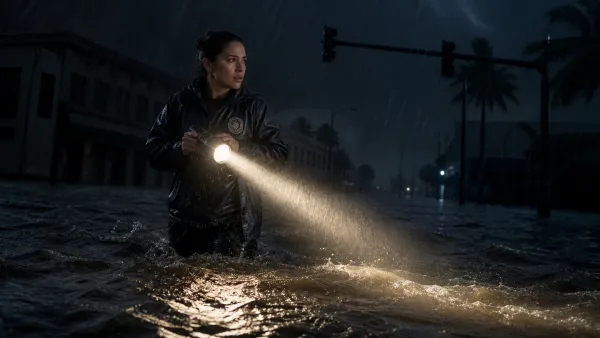
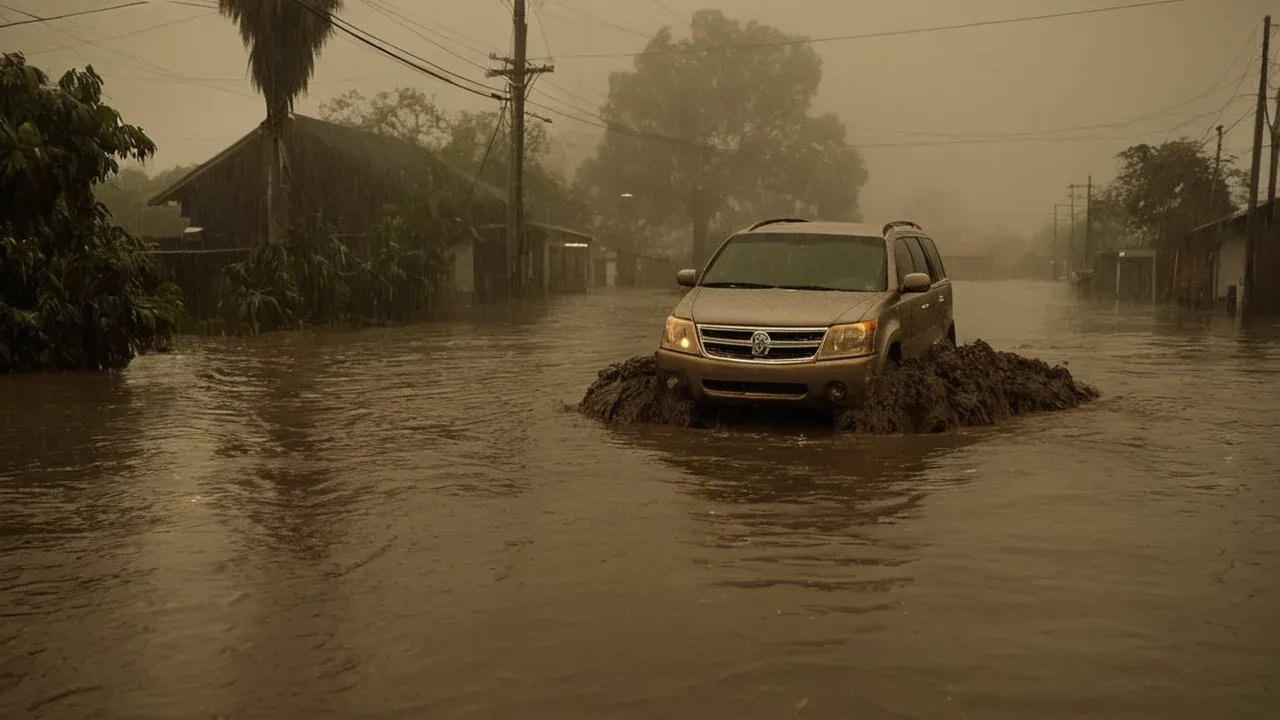
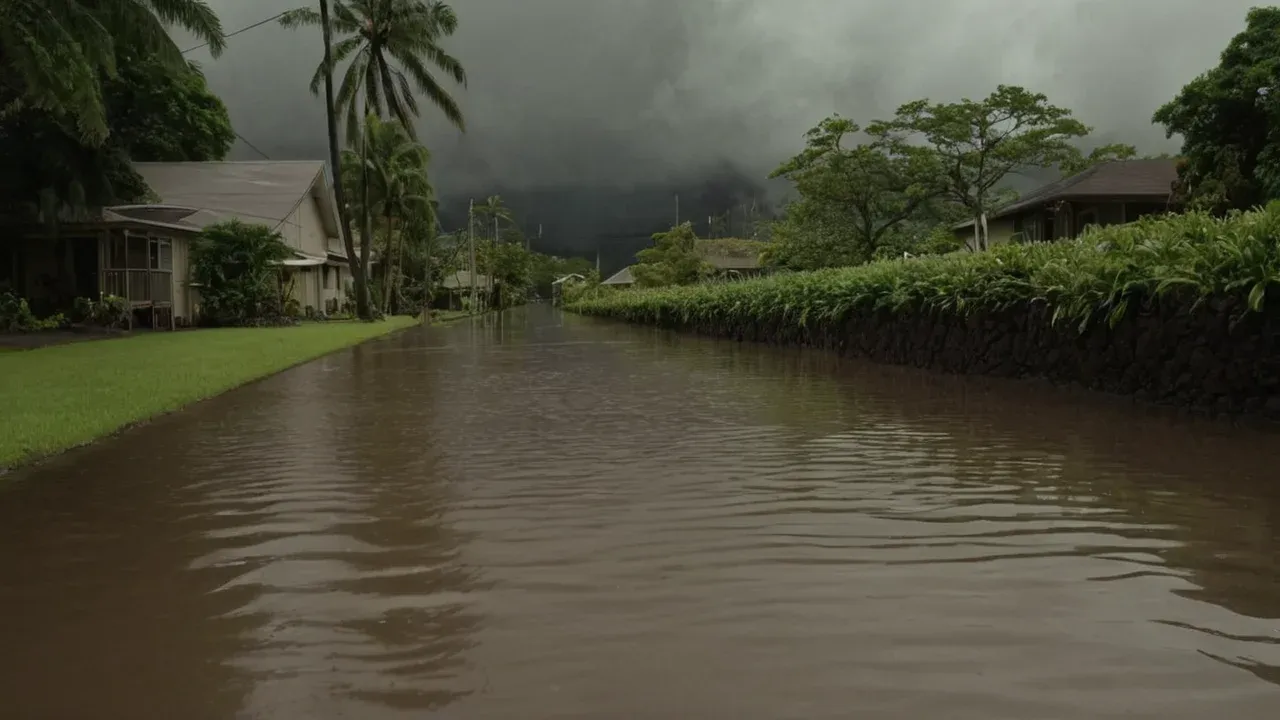
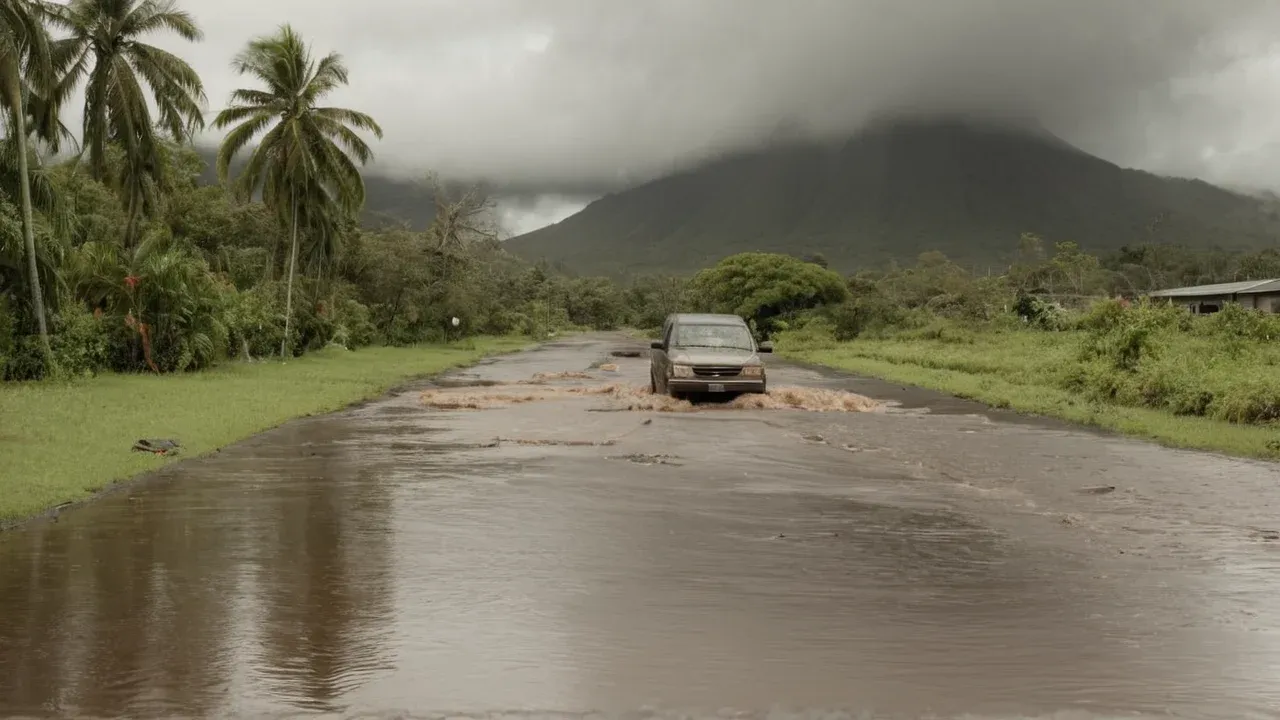
Rain in Hilo felt heavy, pressing down on the town like a physical burden. Three feet of water turned Volcano Village’s rural roads into silent, brown rivers where cars sat like drowned statues [1]cnbc.comHurricane Lala leaves thousands without power in HawaiiOpen the source to inspect the supporting evidence.Open source ↗. Hurricane Lala struck Hawaii Island as a Category 1 storm before moving across the archipelago, leaving Maui, Honolulu, and Kauaʻi counties to deal with the shattered grid. The stakes were not just about wind speeds or rainfall totals. They were about the fragility of island infrastructure when faced with the full, unmitigated force of a Pacific basin system. Hawaii’s geography, which makes it a paradise, also makes it a trap when the atmosphere turns hostile.
Compass Predictive Analytics
Meteorological Trajectory and Wind Dynamics
Lala evolved through rapid intensification followed by a deceptive weakening. Before touching land, the system peaked with 75 mph winds, a speed capable of snapping utility poles and tearing roofs from their frames [7]nhc.noaa.govNational Hurricane Center AdvisoryOpen the source to inspect the supporting evidence.Open source ↗. The National Hurricane Center tracked this phase with critical advisories, warning of the impending danger [7]nhc.noaa.govNational Hurricane Center AdvisoryOpen the source to inspect the supporting evidence.Open source ↗. These warnings were not abstract data points. They were the foundation for opening evacuation shelters and coordinating island-wide responses [9]kitv.comHurricane Lala closures and evacuation shelters in HawaiiOpen the source to inspect the supporting evidence.Open source ↗.
As Lala moved toward Hawaii Island, the winds held fierce, but the system began to lose its hurricane teeth. By the time it fully impacted populated areas, it had downgraded to a tropical storm, maintaining 70 mph sustained winds [5]abcnews.comLala weakens to tropical storm, brings heavy rain, wind, flooding to HawaiiOpen the source to inspect the supporting evidence.Open source ↗. The drop in category number did not bring relief. It brought a different kind of danger. Fox Weather meteorologist Katie Byrne reported on the powerful winds impacting the region, particularly noting the severity of conditions near Hilo [8]youtube.comBREAKING: Hurricane Lala brings heavy rain, wind to HawaiiOpen the source to inspect the supporting evidence.Open source ↗. The wind dynamics were not uniform. They were erratic, driven by a storm that was large, moist, and stubborn. The transition from hurricane to tropical storm did not mitigate the danger immediately. Instead, the residual energy drove heavy rainfall and flooding for hours after the peak winds had passed. The threat remained high because the storm’s size and moisture content had not diminished, only its wind speed. The danger shifted from the sharp cut of wind to the slow crush of water.
Compass Predictive Analytics

Hydrological Catastrophe and Geographic Impact
The hydrological impact was the true killer. The area near Hilo experienced an unprecedented deluge, with reports indicating that more than three feet, or 36 inches, of rain fell in a short period. This volume of water overwhelmed drainage systems and natural waterways, leading to severe flooding in low-lying areas and rural communities. The flooding was so extensive that it submerged roads, isolating residents and complicating rescue efforts. A rural road in Volcano Village was shown flooded, illustrating the extent to which the storm had altered the local topography [1]cnbc.comHurricane Lala leaves thousands without power in HawaiiOpen the source to inspect the supporting evidence.Open source ↗. The sheer volume of water created life-threatening conditions, as described by the NY Post, which highlighted the danger posed by rising waters and debris [6]nypost.comHurricane Lala leaves thousands without power in Hawaii amid 'life-threatening conditions'Open the source to inspect the supporting evidence.Open source ↗.
The geographic scope of this rainfall was not limited to the Big Island. The storm's circulation affected Maui, Honolulu, and Kauaʻi counties, bringing heavy rain and wind to these areas as well. Civil Beat highlighted the multi-county impacts, noting that the storm's reach extended far beyond its landfall point [2]civilbeat.orgHurricane Lala: Maui, Honolulu And Kauaʻi Counties Face Storm ImpactsOpen the source to inspect the supporting evidence.Open source ↗. The rainfall totals in these other counties were significant, though not as extreme as those near Hilo, yet they contributed to broader regional flooding and disruption. The combination of high winds and heavy rain created a synergistic effect, where wind damage weakened structures and rainfall exacerbated the instability of compromised buildings. The threat of additional rainfall, with up to 25 inches possible in some areas, kept emergency services on high alert even as the storm's winds diminished [5]abcnews.comLala weakens to tropical storm, brings heavy rain, wind, flooding to HawaiiOpen the source to inspect the supporting evidence.Open source ↗. This prolonged hydrological stress placed immense strain on the islands' infrastructure, leading to long-term recovery challenges for affected communities.
Compass Predictive Analytics
Infrastructure Collapse and Human Toll
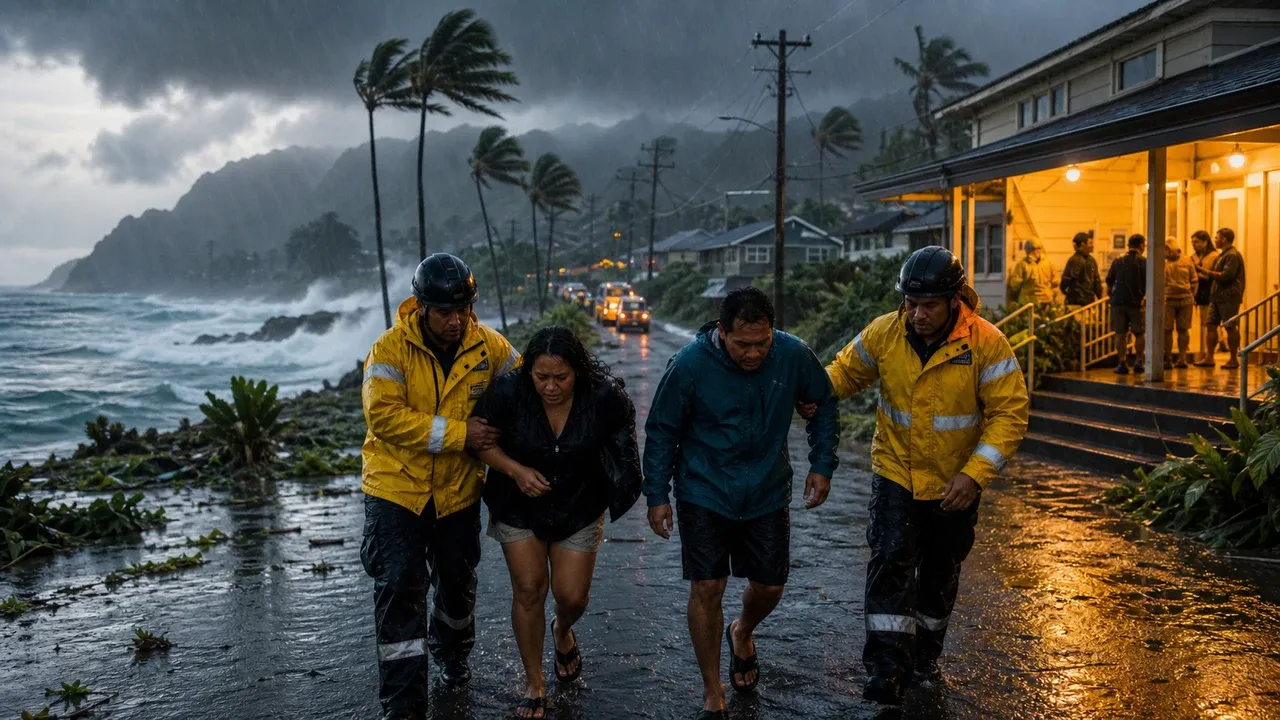
The human cost was immediate and tangible. Hawaii Governor Josh Green confirmed the first fatality, a tragic loss that underscored the severity of the storm and the potential dangers faced by residents who were unable to evacuate or seek adequate shelter. The confirmation of the fatality by the Governor served as a somber acknowledgment of the storm's lethality and the urgent need for public safety measures [1]cnbc.comHurricane Lala leaves thousands without power in HawaiiOpen the source to inspect the supporting evidence.Open source ↗. Beyond the loss of life, the storm caused widespread property damage, with at least 100 homes reported damaged across the affected islands. The damage ranged from minor roof leaks to complete structural failures, leaving many families displaced and in need of assistance.
The collapse of power infrastructure was one of the most visible and disruptive consequences. Initially, over 100,000 customers lost power as the storm passed through. As the situation evolved, Hawaii News Now reported that the number of affected customers had risen to nearly 260,000 by August 16, 2026. This staggering figure reflects the widespread nature of the outage and the difficulty in restoring power in the aftermath of such a severe event. The downing of utility poles, as seen near Ocean View on Hawaii Island, hampered the efforts of utility crews to repair the grid [4]hawaiinewsnow.comPower outages impact nearly 260K in Hawaii as Tropical Storm Lala hampers utility crewsOpen the source to inspect the supporting evidence.Open source ↗. The prolonged loss of power not only disrupted daily life but also hindered recovery efforts, as residents lacked the means to communicate, refrigerate food, or pump out flooded homes. CNN reported on the thousands without power and the significant home damage, emphasizing the scale of the crisis [3]cnn.comThousands without power and at least 100 homes damaged after Tropical Storm Lala hits HawaiiOpen the source to inspect the supporting evidence.Open source ↗. The intersection of power outages and flooding created a compounding effect, where the lack of electricity made it harder for residents to cope with the physical damage to their homes.
Regional Coordination and Emergency Response
In response to the threat posed by Hurricane Lala, emergency management agencies across Hawaii coordinated a multi-island response. The storm's impact on Maui, Honolulu, and Kauaʻi counties required resources and attention beyond what was available on Hawaii Island alone. Civil Beat noted the scale of the power outages across these islands, highlighting the need for regional cooperation in restoration efforts [2]civilbeat.orgHurricane Lala: Maui, Honolulu And Kauaʻi Counties Face Storm ImpactsOpen the source to inspect the supporting evidence.Open source ↗. The National Hurricane Center's continuous advisories provided critical data that allowed local authorities to adjust their response strategies in real time [7]nhc.noaa.govNational Hurricane Center AdvisoryOpen the source to inspect the supporting evidence.Open source ↗. Evacuation shelters were opened across the state to accommodate residents who were at risk from flooding and high winds [9]kitv.comHurricane Lala closures and evacuation shelters in HawaiiOpen the source to inspect the supporting evidence.Open source ↗. The coordination of these shelters was complex, involving the allocation of space, food, and medical supplies to ensure the safety of displaced individuals.
The media played a vital role in disseminating information during the crisis. Fox News, CNN, ABC News, and the NY Post all provided updates on the storm's progress, the extent of the damage, and the status of emergency services. Fox News/Katie Byrne reported on the powerful winds and rain, particularly near Hilo, helping to inform the public about the most severely affected areas [8]youtube.comBREAKING: Hurricane Lala brings heavy rain, wind to HawaiiOpen the source to inspect the supporting evidence.Open source ↗. ABC News noted the weakening of the storm to tropical storm status but warned of the continued heavy rain threat, ensuring that residents remained vigilant [5]abcnews.comLala weakens to tropical storm, brings heavy rain, wind, flooding to HawaiiOpen the source to inspect the supporting evidence.Open source ↗. The NY Post described the life-threatening conditions, emphasizing the urgency of the situation [6]nypost.comHurricane Lala leaves thousands without power in Hawaii amid 'life-threatening conditions'Open the source to inspect the supporting evidence.Open source ↗. These reports helped to keep the public informed and aware of the risks, although they also contributed to the anxiety and stress experienced by those affected. The coordinated effort between government agencies, utility companies, and the media was essential in managing the immediate aftermath of the storm and initiating the long-term recovery process.
Conclusion and Forward Outlook
The impact of Hurricane Lala on Hawaii was profound, characterized by a deadly combination of high winds, extreme rainfall, and widespread infrastructure failure. The storm's trajectory from a tropical storm to a Category 1 hurricane and back again demonstrated the dynamic nature of Pacific weather systems and the challenges of predicting their exact path and intensity. The geographic spread of the impacts, from Hawaii Island to Maui, Honolulu, and Kauaʻi, highlighted the interconnectedness of the islands' infrastructure and the need for a unified response strategy. The human toll, including one confirmed fatality and significant property damage, serves as a sobering testament to the power of natural forces.
The aftermath of the storm has left a lasting mark on the region, with hundreds of thousands of residents dealing with the loss of power and the damage to their homes. The recovery process will be lengthy, requiring sustained effort from utility crews, emergency responders, and the community itself. The events surrounding Hurricane Lala underscore the importance of robust infrastructure, effective emergency planning, and public awareness in mitigating the risks of extreme weather. As Hawaii continues to recover, the lessons learned from this event will inform future preparedness efforts, aiming to reduce the vulnerability of the islands to similar meteorological threats. The resilience of the Hawaiian people will be tested, but their ability to coordinate and support one another in the face of disaster remains a critical asset in navigating the challenges posed by a changing climate.