Listen to this article
Narrated by Charlotte · The Noble House
Compass Strategic Intelligence
The Breach of the Eastern Shield
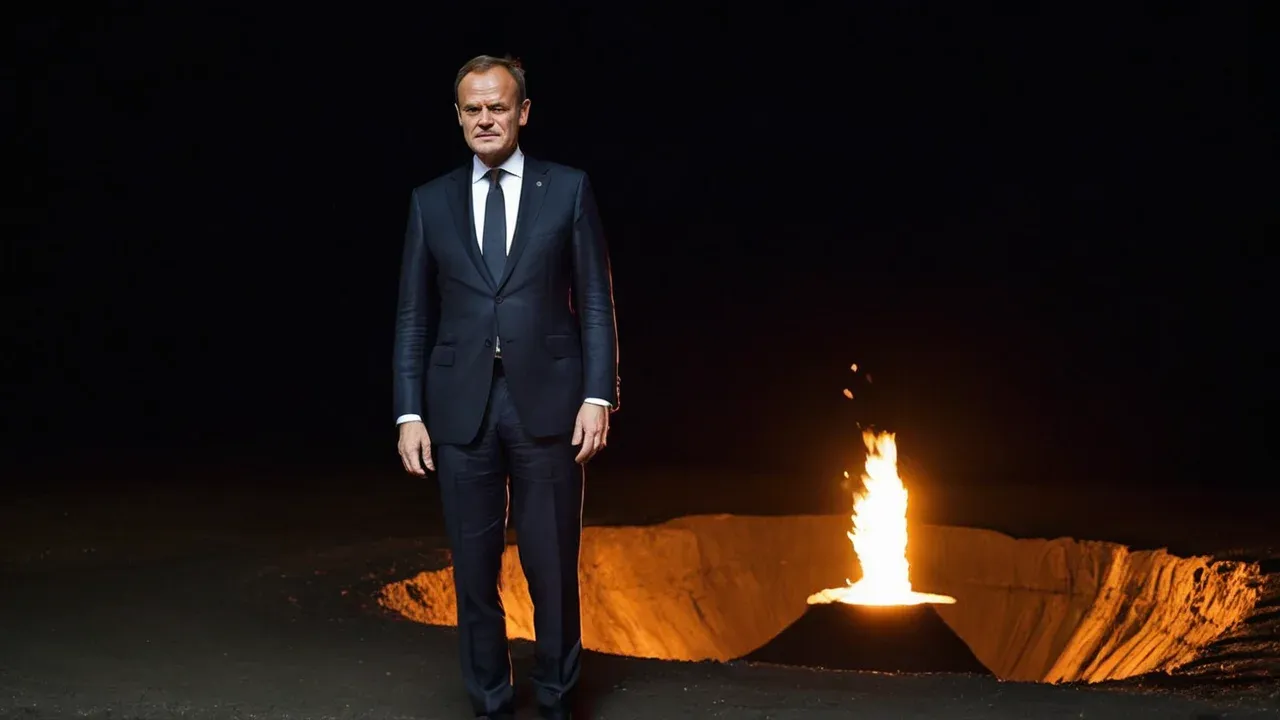
Tarnawa-Kolonia still held the dust of July 30, 2026, as it settled into a fresh, ten-meter-wide crater tearing through the Lublin Voivodeship soil [1]bbc.co.ukMissile that left crater deep inside Poland was probably Russian - Polish PMOpen the source to inspect the supporting evidence.Open source ↗. The quiet that followed the explosion felt heavier than the blast itself. A projectile from the Russian invasion of Ukraine had crossed the border, striking Polish ground roughly 100 kilometers from the Ukrainian frontier [3]youtube.comPoland struck by projectile during Russian barrage on UkraineOpen the source to inspect the supporting evidence.Open source ↗. The war had stopped being a distant rumble. It became a physical rupture in Europe’s security architecture, shifting the conflict from a regional struggle to a direct challenge against North Atlantic Treaty Organization (NATO) airspace. Residential structures stood only two kilometers from the impact zone, their proximity turning a military strike into an urgent humanitarian danger [4]bbc.co.ukPoland struck by projectile during Russian barrage on UkraineOpen the source to inspect the supporting evidence.Open source ↗. The incident emerged from a massive Russian barrage of missiles and drones aimed at Ukraine, during which the projectile, likely launched by Russia, penetrated deep into Polish territory [3]youtube.comPoland struck by projectile during Russian barrage on UkraineOpen the source to inspect the supporting evidence.Open source ↗. The raw force of the strike illustrated a terrifying new reality: the war was no longer contained.
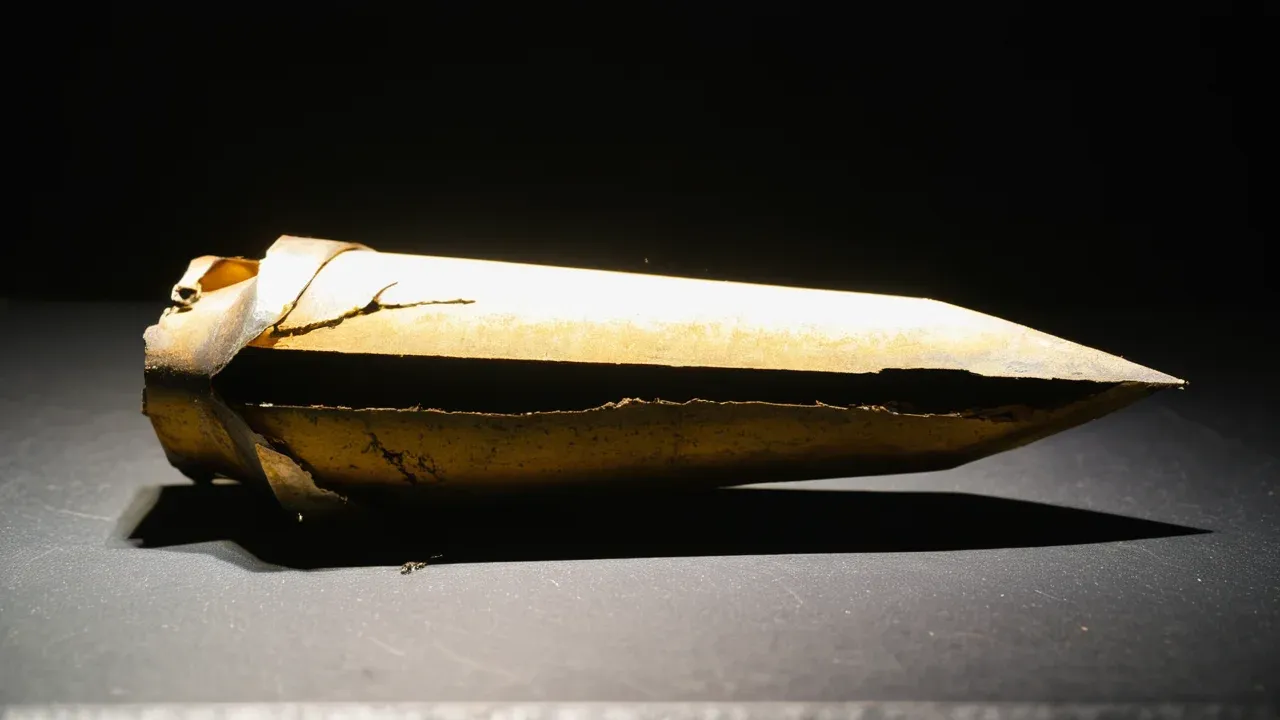
Technical evidence led to a rapid and conclusive attribution of the strike to the Russian Federation. Polish Prime Minister Donald Tusk declared that all data points to Russian origin, eliminating diplomatic ambiguity in the immediate wake of the event [6]youtube.comPoland struck by projectile during Russian barrage on UkraineOpen the source to inspect the supporting evidence.Open source ↗. Independent strategic analysis, corroborating Polish authorities, identified the projectile as a Russian Kh-101 cruise missile, a long-range weapon usually deployed from Russian airspace or strategic aircraft [4]bbc.co.ukPoland struck by projectile during Russian barrage on UkraineOpen the source to inspect the supporting evidence.Open source ↗. The use of this specific munition implies a power projection exceeding immediate tactical needs in Ukraine, or possibly a navigation failure that allowed a high-value asset to drift into sovereign NATO territory. The debate between navigational error and deliberate probing remains central, yet the physical impact is undeniable [9]stripes.comRussia missile lands in Poland as NATO scrambles in responseOpen the source to inspect the supporting evidence.Open source ↗.
Compass Predictive Analytics

Strategic Implications of the Kh-101 Incursion
The classification of the projectile as a Kh-101 cruise missile holds deep strategic weight for the war in Ukraine. The Kh-101 is a long-range, air-launched cruise missile with substantial payload and range, engineered to hit high-value targets deep behind enemy lines. Its deployment in this manner, resulting in a crash in Poland, indicates that Russia launched these weapons from platforms positioned well within or near its borders, relying on the missile’s range to reach Ukrainian targets. However, the trajectory leading to the impact in Tarnawa-Kolonia suggests a deviation from the intended path, crossing the border during one of Russia’s largest overnight attacks on Ukraine [5]aljazeera.comNATO jets scramble as Russian missile detonates in PolandOpen the source to inspect the supporting evidence.Open source ↗. This deviation exploited Kyiv’s documented shortage of Western-supplied air defense systems, which were overwhelmed by the volume and variety of the barrage [7]youtube.comDirect source from yt-cnn for the selected signalOpen the source to inspect the supporting evidence.Open source ↗.
The strategic consequences of a Kh-101 incursion into NATO airspace are multifaceted. First, it demonstrates the reach of Russian offensive capabilities, which are no longer confined to the battlefield but extend into the security architecture of the West. The missile’s ability to traverse hundreds of kilometers before failing or being diverted highlights the challenges faced by air defense systems in distinguishing between friendly, neutral, and hostile trajectories during complex electronic warfare environments. Second, the incident serves as a stress test for NATO’s collective security guarantees. The alliance must balance the imperative of deterrence against the risk of escalation. A direct hit on NATO soil could be interpreted as an act of war, potentially triggering Article 5, which mandates collective defense. However, the response thus far has been calibrated to address the violation without immediately escalating to full-scale conflict, focusing instead on diplomatic and defensive posturing [8]aljazeera.comDirect source from rss-aljazeera for the selected signalOpen the source to inspect the supporting evidence.Open source ↗.
Furthermore, the proximity of the crash site to civilian populations raises questions about the rules of engagement and the proportionality of Russian military actions. The fact that the missile crashed approximately two kilometers from residential buildings suggests that the intended target was likely in Ukraine, but the margin for error was dangerously slim. This raises the possibility that Russia is either testing the limits of NATO’s response thresholds or engaging in a form of reckless brinkmanship that endangers civilian lives in allied nations. The Lansing Institute’s analysis of the strategic consequences underscores the gravity of this incursion, noting that it represents a direct violation of the sovereignty of a NATO member state [4]bbc.co.ukPoland struck by projectile during Russian barrage on UkraineOpen the source to inspect the supporting evidence.Open source ↗. The incident forces a reevaluation of the safety buffers and air defense coordination mechanisms along the eastern flank of the alliance.
Compass Predictive Analytics
NATO’s Immediate Response and Diplomatic Maneuvering
The reaction to the missile strike was immediate and coordinated, reflecting the preparedness and unity of the NATO alliance. Upon confirmation of the airspace violation, NATO scrambled jets to intercept any remaining threats and to monitor the situation [2]aljazeera.comNATO jets scramble as Russian missile detonates in PolandOpen the source to inspect the supporting evidence.Open source ↗. This military posture was accompanied by a robust diplomatic response, with Warsaw activating Article 4 consultations. Article 4 of the NATO Treaty allows member states to consult with each other whenever, in the opinion of any of them, the territorial integrity, political independence, or security of any member state is threatened [5]aljazeera.comNATO jets scramble as Russian missile detonates in PolandOpen the source to inspect the supporting evidence.Open source ↗. This activation signals a serious concern among allies regarding the erosion of security norms and the potential for further escalation.
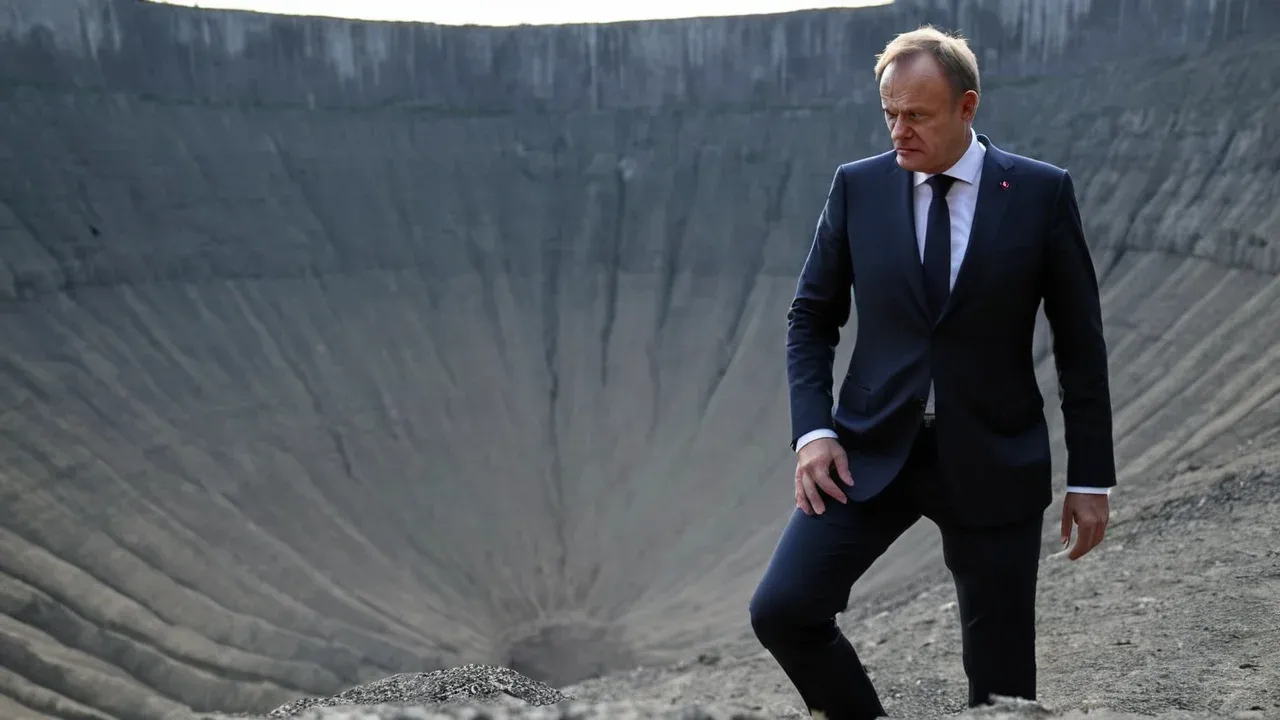
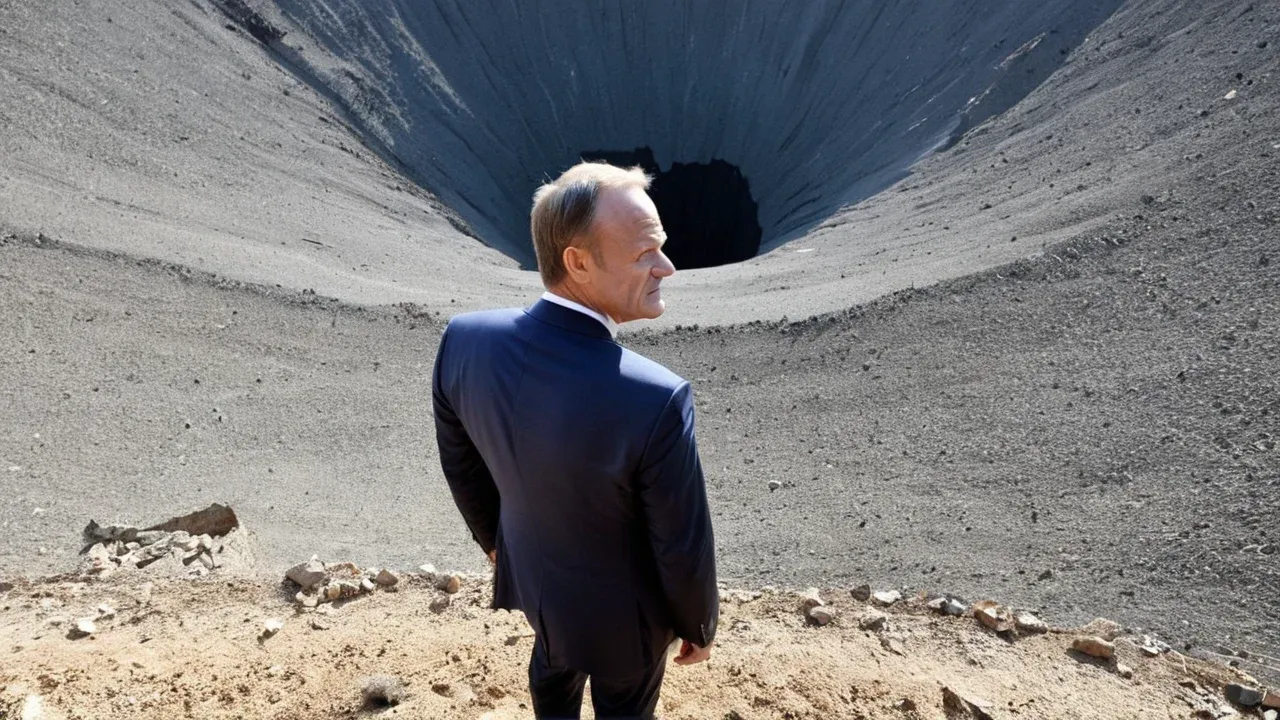
The diplomatic language employed by NATO leadership was firm and unambiguous. The NATO Chief publicly blamed President Vladimir Putin for a reckless act, directly attributing responsibility to the Russian leadership for the violation [6]youtube.comPoland struck by projectile during Russian barrage on UkraineOpen the source to inspect the supporting evidence.Open source ↗. This attribution was crucial in framing the incident not as an accident of war but as a deliberate challenge to the international order. The Los Angeles Times noted that the missile fall occurred during a blitz expanding Russia’s bombardment of Ukrainian cities, highlighting the context of continuous aggression that preceded the breach [7]youtube.comDirect source from yt-cnn for the selected signalOpen the source to inspect the supporting evidence.Open source ↗. The Guardian reported that Polish Prime Minister Donald Tusk visited the crater site, demonstrating the government’s commitment to transparency and accountability in the face of a national security crisis [8]aljazeera.comDirect source from rss-aljazeera for the selected signalOpen the source to inspect the supporting evidence.Open source ↗.
The activation of Article 4 consultations allowed NATO allies to share intelligence, coordinate defensive measures, and discuss potential responses without immediately invoking Article 5. This step was a calculated move to manage the crisis while maintaining the alliance’s cohesion. It sent a clear message to Moscow that violations of NATO airspace would be met with unified attention and concern, even if they did not immediately trigger collective military action. The scrambling of jets served both a defensive purpose, ensuring no further threats entered Polish airspace, and a symbolic one, demonstrating the readiness of the alliance to protect its members. The combination of military readiness and diplomatic pressure created a complex environment for Russian decision-making, forcing Moscow to account for the reactions of thirty-two allied nations rather than just Ukraine.
Compass Predictive Analytics
Analysis of Escalation Risks and Future Trajectories
The incident in Tarnawa-Kolonia represents a significant escalation in the Russia-Ukraine war, marking a direct violation of NATO airspace that cannot be easily dismissed as collateral damage. The use of a long-range Kh-101 missile to strike Poland suggests either a deliberate provocation or a catastrophic navigational error, both of which carry severe risks. If the strike was deliberate, it signals a willingness by Russia to test the resolve of NATO and potentially draw the alliance into a wider conflict. If it was an error, it highlights the dangers of relying on precision weaponry in contested environments and the potential for unintended escalation.
The analysis of the event must distinguish between verified facts and strategic interpretations. The verified facts are clear: a projectile struck Poland on July 30, 2026, near Tarnawa-Kolonia, leaving a ten-meter-wide crater [1]bbc.co.ukMissile that left crater deep inside Poland was probably Russian - Polish PMOpen the source to inspect the supporting evidence.Open source ↗. Polish Prime Minister Donald Tusk attributed the missile to Russia based on available evidence [3]youtube.comPoland struck by projectile during Russian barrage on UkraineOpen the source to inspect the supporting evidence.Open source ↗. NATO scrambled jets and activated Article 4 consultations [5]aljazeera.comNATO jets scramble as Russian missile detonates in PolandOpen the source to inspect the supporting evidence.Open source ↗. These facts establish the baseline of the incident. The analysis, however, delves into the implications. The proximity of the crash to residential buildings suggests a navigational error or a deliberate probing of NATO’s response thresholds [4]bbc.co.ukPoland struck by projectile during Russian barrage on UkraineOpen the source to inspect the supporting evidence.Open source ↗. The NATO Chief’s characterization of the act as reckless underscores the alliance’s view of the incident as a serious breach of norms [6]youtube.comPoland struck by projectile during Russian barrage on UkraineOpen the source to inspect the supporting evidence.Open source ↗.
The future trajectory of the conflict will likely be influenced by this incident. NATO may accelerate the deployment of additional air defense systems to Poland and other eastern flank nations. Diplomatic efforts to isolate Russia further may intensify, with allies using the incident to justify stricter sanctions and increased military aid to Ukraine. Russia, in turn, may face increased pressure to clarify its intentions regarding NATO airspace, or it may double down on its aggressive posture to assert dominance. The incident has blurred the lines between the battlefield in Ukraine and the security of the alliance, creating a more volatile and unpredictable environment.
The closing section of this assessment must be decisive. The strike on Poland constituted a strategic event that reshaped the security dynamics of Europe, rather than a technical failure or isolated incident. The violation of NATO airspace by a Russian Kh-101 missile forces the alliance to confront the reality that the war in Ukraine is no longer contained. The response of NATO, through Article 4 consultations and military readiness, demonstrates a commitment to defending its members while avoiding immediate escalation. However, the risk of miscalculation remains high. The incident serves as a stark warning that the consequences of the war are extending beyond the borders of Ukraine, threatening the stability of the entire region. The alliance must remain vigilant, cohesive, and prepared to respond decisively to any future violations, ensuring that the cost of aggression is clear and unavoidable. The breach in Tarnawa-Kolonia is a line drawn in the sand, and the international community must respect it to prevent a wider conflict. The decisive factor moving forward will be the ability of NATO to maintain its unity and deterrence posture while managing the immediate crisis, and the ability of Russia to control the escalation of its own military operations. The stakes have never been higher, and the margin for error has never been smaller.
Compass Predictive Analytics