Listen to this article
Narrated by Charlotte · The Noble House
Compass Strategic Intelligence
The Catalyst: A Failed Strike on American Forces
Jordanian air defenses intercepted five ballistic missiles on July 29, 2026, before they could strike a US air base. The interception turned a potential mass casualty event into a controlled explosion of debris and shockwaves. The quiet that followed the detonation felt heavier than the noise. It marked a threshold crossed by the Islamic Revolutionary Guard Corps, which aimed its missiles at American throats in Jordan [2]foxnews.comAmerican forces hit ‘dozens’ of Iranian targets following attempted attack on US troopsOpen the source to inspect the supporting evidence.Open source ↗.
The United States responded with speed and force. By July 30, US Central Command launched a heavy wave of strikes against Iranian territory. The operation targeted the IRGC directly, the entity that had launched the missiles. This was a military correction, not a diplomatic warning. The United States calculated that the cost of allowing the attempt to stand exceeded the cost of war. The fragile calm established by President Trump’s earlier order to halt strikes ended abruptly, giving way to the 2026 Iran war [1]en.wikipedia.org2026 Iran warOpen the source to inspect the supporting evidence.Open source ↗.
The stakes were concrete, measured in the lives of soldiers in Jordan and the stability of the Gulf. The surprise attack aimed to disrupt US command structures and inflict casualties. Jordan’s defense succeeded tactically, but the attempt was a strategic failure for Iran. It revealed a willingness to engage in direct kinetic warfare, bypassing proxies to strike American presence directly. This directness forced Washington to respond with force rather than words [2]foxnews.comAmerican forces hit ‘dozens’ of Iranian targets following attempted attack on US troopsOpen the source to inspect the supporting evidence.Open source ↗.
Compass Predictive Analytics
The US Response: A Heavy Wave of Retaliation
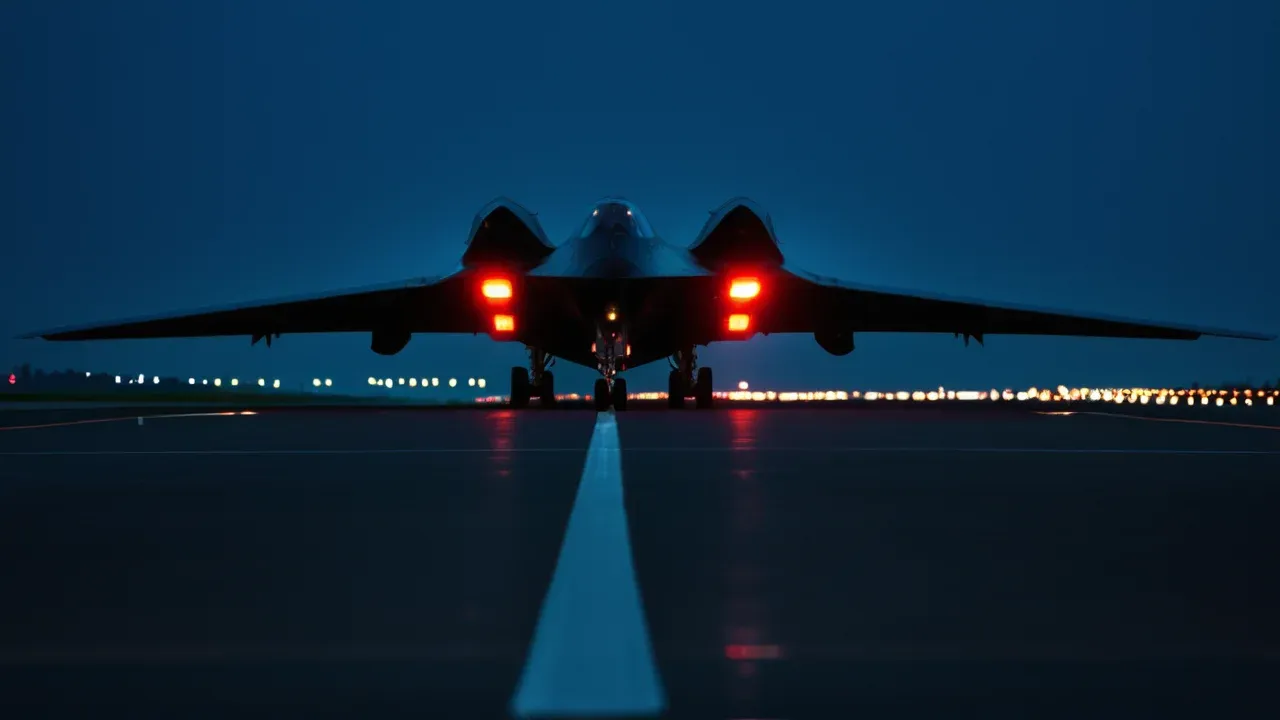
The Pentagon’s announcement was brief, but the action was expansive. Fresh strikes hit Iran on the evening of July 30, 2026. These were not precision strikes of a surgical operation but broad, heavy blows of a punitive campaign. US Central Command described the action as "a powerful response," a phrase carrying the weight of dozens of destroyed targets [4]youtube.comUS launches 'heavy' strikes on Iran after attempted attack on American troopsOpen the source to inspect the supporting evidence.Open source ↗.
The IRGC, the military wing of the Iranian government responsible for external operations and ballistic missiles, was the primary target. Dozens of IRGC assets were hit, degrading Iran’s capacity to launch similar attacks. The strikes signaled a clear consequence for violating the safety of US troops [4]youtube.comUS launches 'heavy' strikes on Iran after attempted attack on American troopsOpen the source to inspect the supporting evidence.Open source ↗.
President Donald Trump’s rhetoric matched the military’s intensity. He promised retribution, speaking with raw aggression that aligned with the bombs falling on Iranian soil. "We’re going to be hittin’ [them] hard," he told Fox News. The language was not that of a diplomat negotiating a ceasefire. It was the language of a combatant demanding victory. This alignment of word and deed unified the domestic narrative, signaling to international actors that the US would not tolerate attacks on its personnel [3]politico.comUS launches strikes on Iran in retaliation for failed attack on American troopsOpen the source to inspect the supporting evidence.Open source ↗.
The intent was to overwhelm. By hitting dozens of targets, the US demonstrated the full spectrum of its military power. It was a message of deterrence, written in fire. The operation aimed to be decisive, breaking the IRGC’s will and capability to act. Trump’s statement, "We are going to beat the f**king sh*t out of them," was not hyperbole. It was a declaration of intent to inflict significant pain on the Iranian regime [5]youtube.comStockpiles, casualty counts & a surprise attack | Military experts on Iran warOpen the source to inspect the supporting evidence.Open source ↗.
Compass Predictive Analytics
Regional Implications and Coalition Dynamics
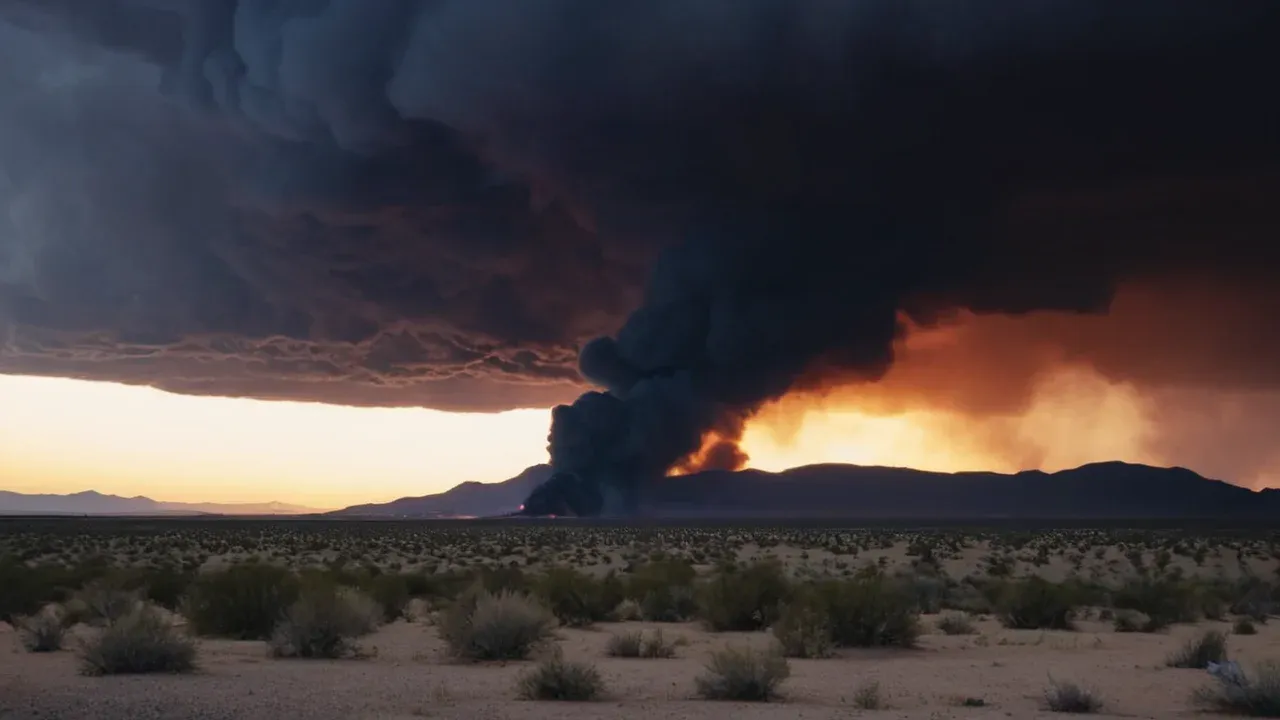
The strikes on Iran were not a bilateral affair. They were part of a broader, coordinated regional security architecture. US and Saudi Arabian forces launched joint strikes on militant groups in Iraq aligned with Iran. This synchronization demonstrated deepening security cooperation between Washington and Riyadh. It presented a united front against Iranian expansionism [6]youtube.comUS launches 'heavy' strikes on Iran after attempted attack on American troopsOpen the source to inspect the supporting evidence.Open source ↗.
The involvement of Saudi Arabia was particularly significant. It suggested that the conflict had expanded beyond a US-Iran confrontation to include a broader coalition of regional powers. The synchronization of military actions indicated a high level of intelligence sharing and operational planning. This multi-front approach aimed to degrade the overall capability of Iranian forces and their proxies to operate freely [6]youtube.comUS launches 'heavy' strikes on Iran after attempted attack on American troopsOpen the source to inspect the supporting evidence.Open source ↗.
Diplomatically, the strikes disrupted any potential progress toward a negotiated deal. Both sides were now entrenched in a cycle of retaliation. Iranian leadership sent mixed messages regarding a potential deal, reflecting a complex internal debate on how to respond to US pressure. The US, meanwhile, was focused on delivering a decisive blow. This divergence in objectives made diplomatic resolution increasingly difficult. The escalation highlighted the difficulty of maintaining diplomatic channels while engaging in high-intensity military operations [8]youtube.comUS launches 'heavy' strikes on Iran after attempted attack on American troopsOpen the source to inspect the supporting evidence.Open source ↗.
Compass Predictive Analytics
Human Cost and Strategic Uncertainty
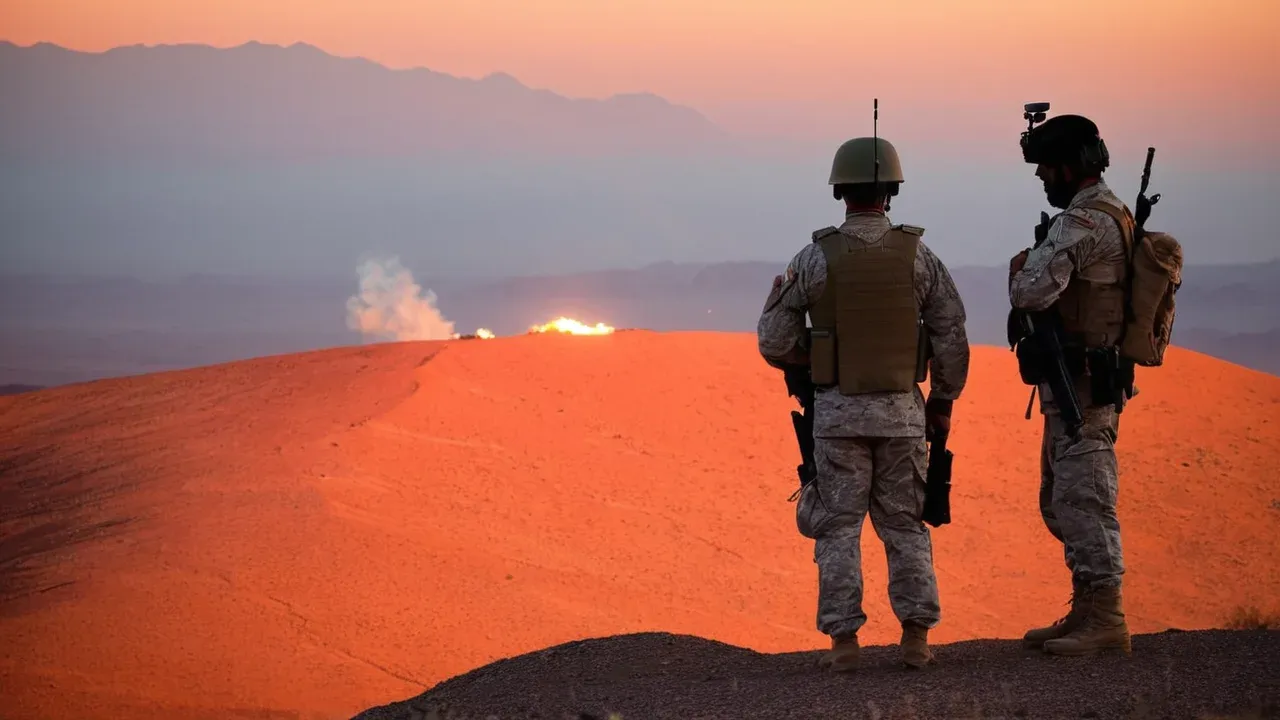
The human cost of the escalating conflict is already becoming apparent. Iranian state media reported that the latest US strikes killed three people, including a two-year-old child. While this casualty count is relatively low compared to the scale of the military operation, it highlights the immediate and tragic impact of the conflict on civilian populations. The death of a child serves as a potent symbol of the collateral damage inherent in aerial bombardment campaigns and underscores the moral complexities of such military actions. The reporting of these casualties by Iranian state media also suggests an ongoing information war, where each side seeks to frame the narrative of the conflict in a way that garners international sympathy and justifies their actions.
The strategic uncertainty surrounding the conflict remains high. The US strikes represent a significant escalation, but they do not necessarily signal the end of hostilities. The IRGC, as a key target of the US campaign, has historically demonstrated resilience and a capacity for asymmetric retaliation. The potential for further Iranian attacks, whether through ballistic missiles, cyber operations, or proxy forces, remains a significant risk. The period of relative calm that preceded this escalation was fragile, and the current kinetic exchange may lead to a prolonged period of instability. US President Donald Trump has vowed to hit Iran hard after a ballistic missile attack on US bases overnight in Jordan, marking the first such attack since Trump ordered a halt to US strikes over the weekend, which emphasizes the suddenness and severity of the renewed hostilities [7]youtube.comUS launches 'heavy' strikes on Iran after attempted attack on American troopsOpen the source to inspect the supporting evidence.Open source ↗.
The decision to resume strikes so quickly after a pause suggests a shift in strategic doctrine, prioritizing immediate deterrence over long-term diplomatic engagement. This shift creates a volatile environment where miscalculation could lead to further escalation. The conflict has disrupted any potential progress toward a negotiated deal, as both sides are now entrenched in a cycle of retaliation. The mixed messages from Iranian leadership regarding a potential deal, as discussed by military experts and commentators, suggest that Tehran is navigating a complex internal debate about how to respond to US pressure. The US, meanwhile, is focused on delivering a decisive blow to Iranian military capabilities. This divergence in objectives makes diplomatic resolution increasingly difficult in the immediate term. The escalation in Iraq further demonstrates the interconnected nature of the conflict. Attacks on US forces in Jordan are not isolated incidents but are part of a broader pattern of Iranian-aligned aggression across the Middle East. By targeting these groups in Iraq simultaneously with the strikes on Iran, the US and its allies are attempting to address the root causes of the instability rather than merely reacting to individual incidents. This multi-front approach aims to degrade the overall capability of Iranian forces and their proxies to operate freely in the region. The joint action also serves to reassure US allies in the Gulf that Washington remains committed to their security, even as it engages in direct conflict with Iran [6]youtube.comUS launches 'heavy' strikes on Iran after attempted attack on American troopsOpen the source to inspect the supporting evidence.Open source ↗.
Compass Predictive Analytics
Decisive Conclusion
The launch of heavy US strikes on Iran on July 30, 2026, marks a definitive turning point in the 2026 Iran war. The attempted ballistic missile attack on US forces in Jordan served as the catalyst for a rapid and intense military response that targeted dozens of IRGC assets. The operation, supported by joint actions with Saudi Arabia in Iraq, demonstrates a unified and aggressive stance by the US and its allies against Iranian aggression. The rhetoric from President Trump and the actions of US Central Command confirm a commitment to a hardline approach that prioritizes the safety of US troops and the degradation of Iranian military capabilities.
The immediate aftermath of the strikes reveals a region on high alert. The casualty reports from Iran and the continued joint military operations indicate that the conflict is far from over. The escalation from diplomatic tension to kinetic warfare has closed the door on immediate diplomatic solutions and opened the path to a potentially longer and more complex military confrontation. The involvement of regional allies like Saudi Arabia and the targeting of proxy forces in Iraq suggest that the conflict has broader implications for regional stability. The decisive nature of the US response, combined with the Iranian capacity for retaliation, creates a volatile environment where miscalculation could lead to further escalation. The world now watches to see whether this heavy wave of strikes will deter future aggression or ignite a broader regional war. The outcome will depend on the subsequent actions of both Tehran and Washington, as well as the responses of other regional actors who are deeply invested in the stability of the Middle East. The current trajectory suggests a period of intense military activity and strategic uncertainty, with the potential for significant humanitarian and geopolitical consequences. The path forward remains narrow, with the risk of unintended escalation looming large over the entire region [1]en.wikipedia.org2026 Iran warOpen the source to inspect the supporting evidence.Open source ↗.